
Richard Branson's Lifetime Reading List: Adventure in Every Page
Richard Branson has shared over 65 books he believes everyone should read in a lifetime. His eclectic list spans science, history, adventure, and business — reflecting the curiosity that built the Virgin empire.
 10 min read
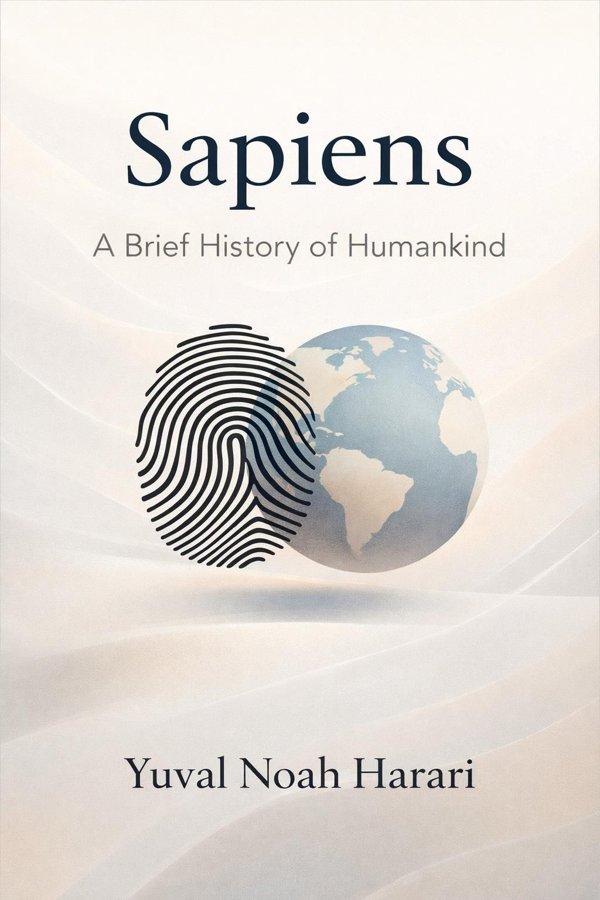
Sapiens
by Yuval Noah Harari
Sapiens: A Brief History of Humankind is a historical essay that explores the evolution of the human species from the earliest Homo sapiens to the modern era. Yuval Noah Harari examines how biology, anthropology, and economics have shaped human societies, highlighting three major revolutions: the cognitive, the agricultural, and the scientific. The book offers a panoramic view of how ideas, myths, and social structures have enabled humans to dominate the planet.
Key Takeaways
- 1The Cognitive Revolution: The birth of imagination — About seventy thousand years ago, something extraordinary happened. Our ancestors, who had lived much like other animals…
- 2The Agricultural Revolution: The trap of progress — Around ten thousand years ago, humans began to cultivate crops and domesticate animals, converting from nomadic foragers…
 10 min read
1984
by George Orwell
A dystopian novel set in a totalitarian society ruled by Big Brother, where the Party exercises absolute control over truth, history, and individual thought. The story follows Winston Smith, a low-ranking member of the Party, as he begins to question the regime and seeks truth and freedom in a world dominated by surveillance and propaganda.
Key Takeaways
- 1Introduction to Oceania — When the story opens, the world is carved into three superstates perpetually at war: Oceania, Eastasia, and Eurasia. The…
- 2Winston Smith’s Daily Life — Winston Smith works at the Ministry of Truth, though the irony is cruelly precise—his job is to rewrite history, to ensu…
- 3The Mechanisms of Control
 10 min read
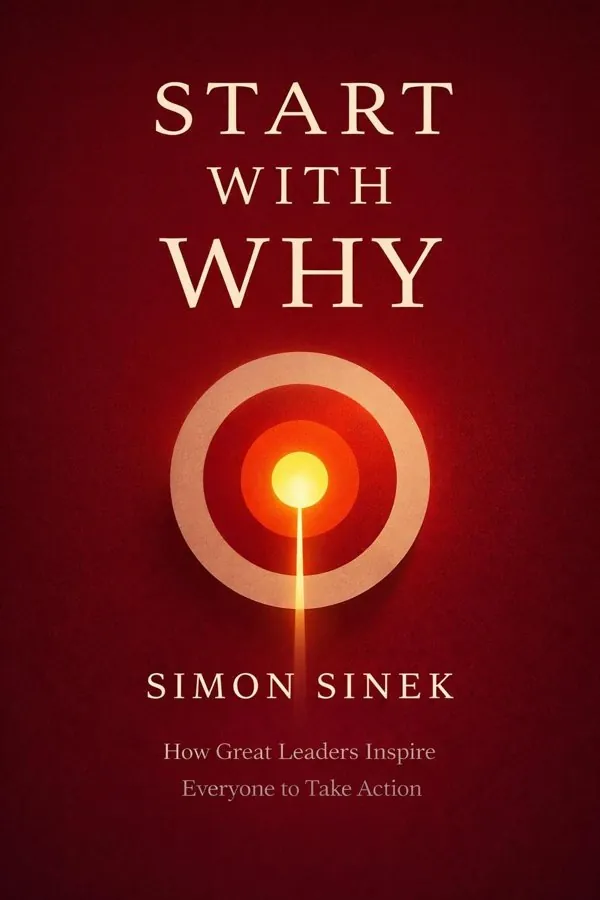
Start With Why
by Simon Sinek
Start With Why explores how leaders and organizations can inspire cooperation, trust, and change by focusing on the purpose behind their actions. Simon Sinek argues that successful individuals and companies communicate from the inside out—starting with 'why'—to connect deeply with others and drive lasting success.
Key Takeaways
- 1The Golden Circle: Why, How, and What — Imagine three concentric circles. At the center sits the word ‘WHY’. Surrounding it is ‘HOW’, and wrapping both is ‘WHAT…
- 2Manipulation versus Inspiration — In the marketplace, manipulation is everywhere. Discounts, fear-based messaging, peer pressure, aspirational advertising…
 10 min read
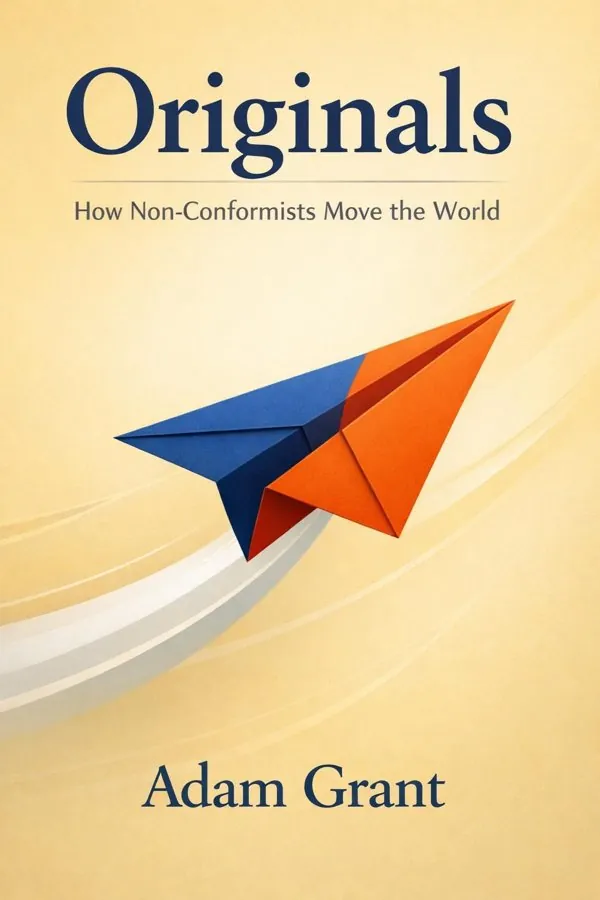
Originals
by Adam Grant
What makes someone challenge the default, question accepted wisdom, and push a new idea into the world when everyone else seems content to follow the script? In Originals, organizational psychologist Adam Grant explores exactly that question. Rather than treating creativity as a mysterious gift reserved for a few rare geniuses, Grant shows that originality is a set of behaviors, decisions, and habits that ordinary people can develop. The book examines how original thinkers spot opportunities for change, manage fear and risk, persuade skeptical audiences, and build cultures that welcome fresh thinking instead of punishing it. What makes the book especially valuable is its evidence-based approach. Grant draws on research in psychology, sociology, business, and history, while also using memorable stories from entrepreneurs, activists, executives, and artists. He argues that originality is not about reckless boldness or constant rebellion. It is about improving the status quo in intelligent, strategic ways. As one of the most influential organizational psychologists of his generation, Adam Grant brings both academic rigor and practical insight to the topic. Originals matters because in a world shaped by conformity, progress depends on people willing to think differently and act on it.
Key Takeaways
- 1Originality Begins With Questioning Defaults — Most people accept the world as it is; original thinkers ask why it has to stay that way. That simple difference is at t…
- 2Creative People Generate Many Bad Ideas — The people with the best ideas are rarely the ones with only a few ideas; they are usually the ones with the most ideas …
- 3Risk Is Often Smaller Than It Looks — Originals are not fearless gamblers; they are often skilled risk managers. One of the most surprising arguments in the b…
 10 min read
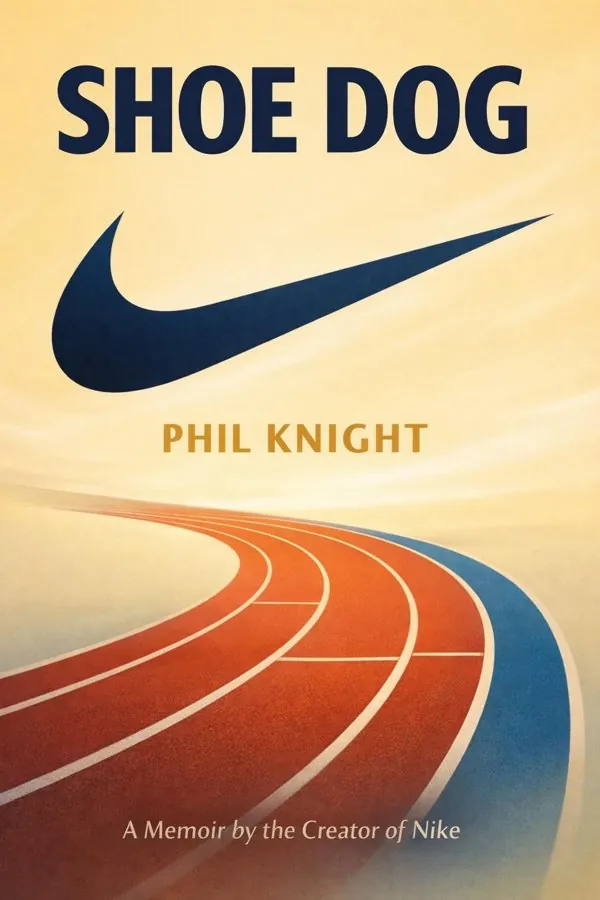
Shoe Dog
by Phil Knight
Shoe Dog es una memoria escrita por Phil Knight, fundador de Nike, que narra la historia de cómo transformó un pequeño préstamo de $50 en una de las marcas más reconocidas del mundo. El libro describe los desafíos, fracasos y triunfos que enfrentó mientras construía la empresa desde sus humildes comienzos como Blue Ribbon Sports hasta convertirse en un gigante global. Con humor, humanidad y franqueza, Knight ofrece una mirada íntima al espíritu emprendedor y la perseverancia detrás del éxito de Nike.
Key Takeaways
- 1The Crazy Idea: From Post-College Doubt to Bold Vision — After finishing my MBA at Stanford, I found myself drifting, restless. The world seemed vast and full of possibilities, …
- 2Building Blue Ribbon Sports: Hustle, Partnership, and Persistence — When I returned to Oregon, my grand dream shrunk to the size of a car trunk. I began selling Onitsuka Tiger shoes at tra…
- 3Breaking Away: Conflict with Onitsuka and the Birth of Nike
 10 min read
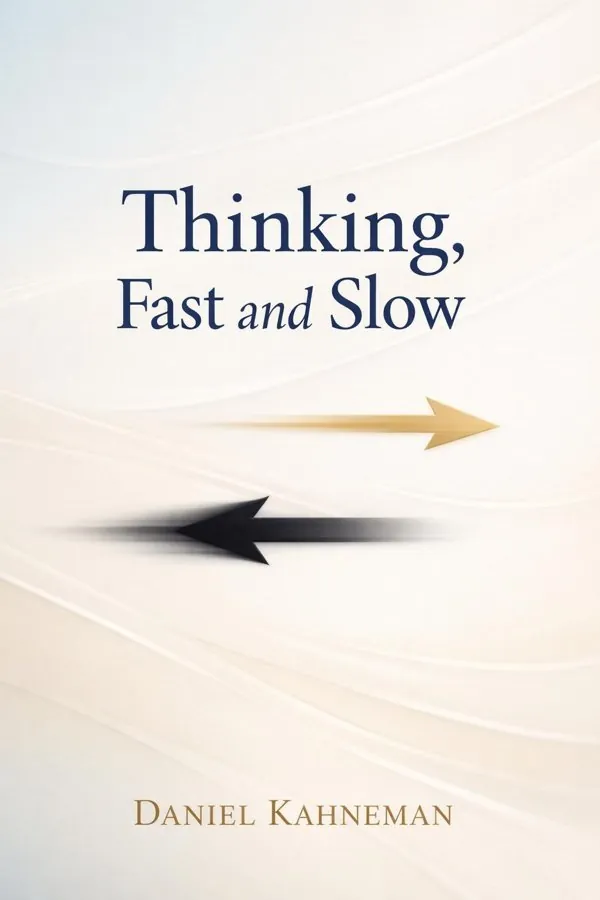
Thinking Fast and Slow
by Daniel Kahneman
In this landmark book, Nobel laureate Daniel Kahneman presents decades of research on how humans think, revealing the dual systems that drive our judgments and decisions: the fast, intuitive, and emotional System 1, and the slow, deliberate, and logical System 2. Through engaging examples and experiments, Kahneman explores cognitive biases, heuristics, and the limits of rationality, offering profound insights into how we make choices in everyday life and professional contexts.
Key Takeaways
- 1The Two Systems of Thought — Our minds work through two interacting systems. System 1 is automatic, fast, and emotional; System 2 is controlled, slow…
- 2Heuristics and Biases: The Architecture of Errors — Our cognitive machinery developed to manage complexity through shortcuts—mental rules of thumb called heuristics. Heuris…
- 3Overconfidence and Illusion of Understanding
 10 min read
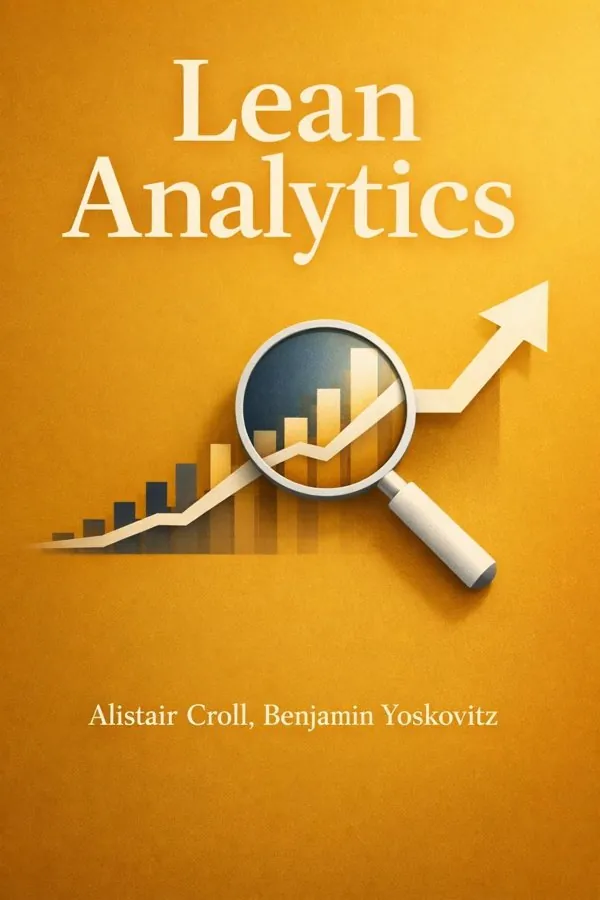
Lean Analytics
by Alistair Croll, Benjamin Yoskovitz
Lean Analytics es un libro que enseña a los emprendedores y equipos de startups cómo usar los datos para validar ideas, medir progreso y tomar decisiones más inteligentes. Basado en los principios de Lean Startup, ofrece un marco práctico para identificar las métricas que realmente importan en cada etapa del crecimiento de una empresa, ayudando a los fundadores a enfocarse en lo que impulsa el éxito y evitar perder tiempo en suposiciones o métricas de vanidad.
Key Takeaways
- 1The One Metric That Matters (OMTM) — When we talk about data, the conversation easily gets lost in clutter—website visits, app downloads, social shares, conv…
- 2Stages of a Startup — Startups aren’t static entities; they mature through distinctive phases, each demanding a different mindset and metric f…
- 3Empathy Stage: Listening Before Building
 10 min read
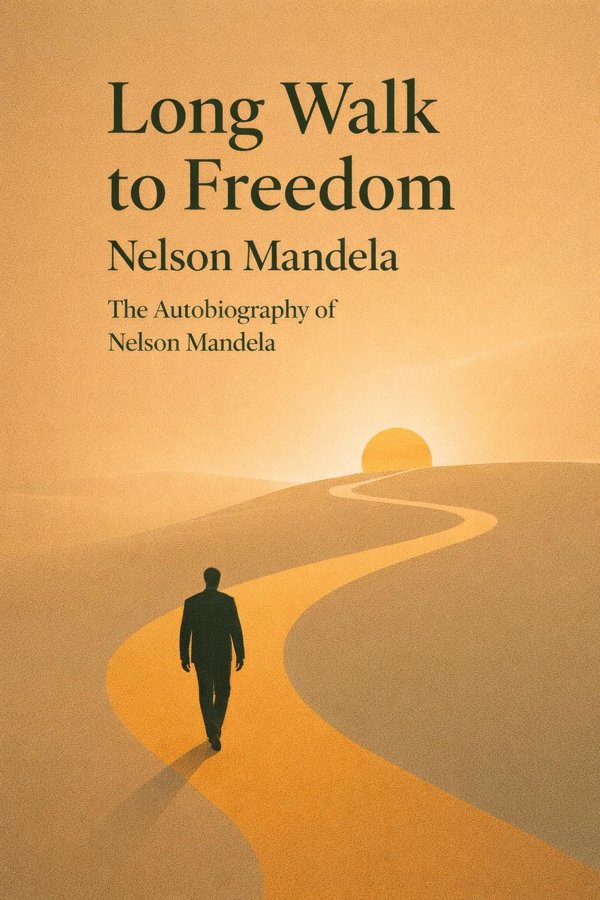
Long Walk to Freedom
by Nelson Mandela
Long Walk to Freedom is the autobiography of Nelson Mandela, the South African leader who fought against apartheid. The book recounts his childhood in the countryside, his education, his political activism, his years of imprisonment, and his role in the transition to a democratic South Africa.
Key Takeaways
- 1The Roots: Childhood in the Transkei and the Formation of Identity — I was born in Mvezo, a small village in the Transkei, into the Thembu royal family. My father was a counselor to the kin…
- 2Education and Awakening: Fort Hare and the First Steps Toward Resistance — Fort Hare was my turning point. There, among young men and women of ambition, I encountered ideas that stirred the mind …
- 3Johannesburg: From Rural Boy to Urban Activist
 10 min read
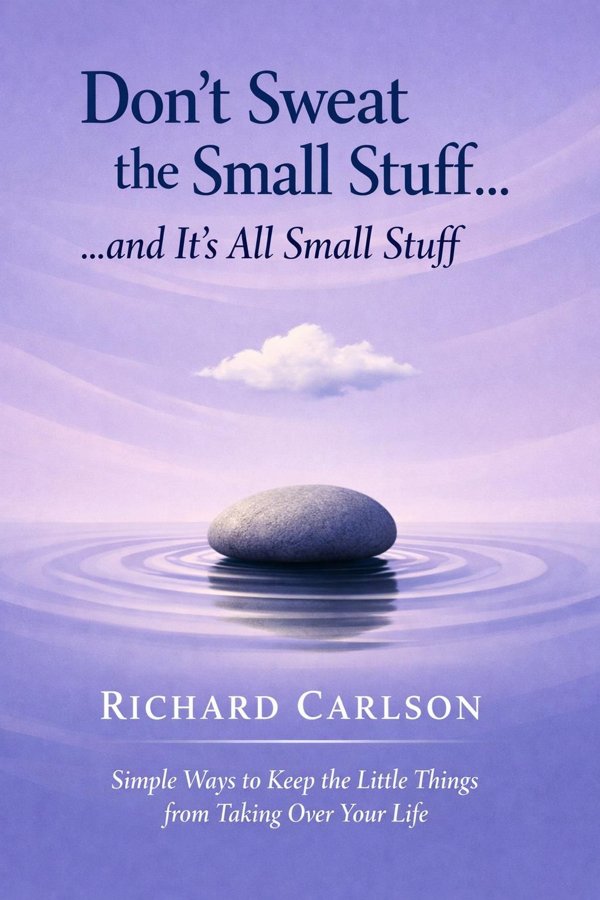
Don't Sweat the Small Stuff... and It's All Small Stuff
by Richard Carlson
This self-help classic by Richard Carlson offers practical advice on how to reduce stress and live a more peaceful, focused life. Through short, accessible chapters, Carlson teaches readers how to let go of minor irritations, cultivate gratitude, and focus on what truly matters. The book emphasizes mindfulness, compassion, and perspective as tools for emotional well-being.
Key Takeaways
- 1Perspective Shift — One of the first things I invite readers to do is to examine how perspective shapes experience. Most of our suffering co…
- 2Letting Go of Control — Much of human anxiety stems from a desire to micromanage outcomes. We plan, predict, and perfect because we believe cont…
- 3Living in the Present
Want the full summary?
Get instant access to this book summary and 500K+ more with Fizz Moment.
Get Free SummaryAvailable on App Store • Free to download
About This List
Richard Branson has shared over 65 books he believes everyone should read in a lifetime. His eclectic list spans science, history, adventure, and business — reflecting the curiosity that built the Virgin empire.
This list features 9 carefully selected books. With FizzRead, you can read AI-powered summaries of each book in just 15 minutes. Get the key takeaways and start applying the insights immediately.
Ready to start reading?
Get instant access to all 9 book summaries and 500K+ more with FizzRead.