
Barack Obama's Reading List: Books That Shaped a President
Barack Obama shares his annual reading list every year, featuring books on history, identity, science, and the human condition. His picks reflect deep intellectual curiosity and a commitment to understanding diverse perspectives.
 10 min read
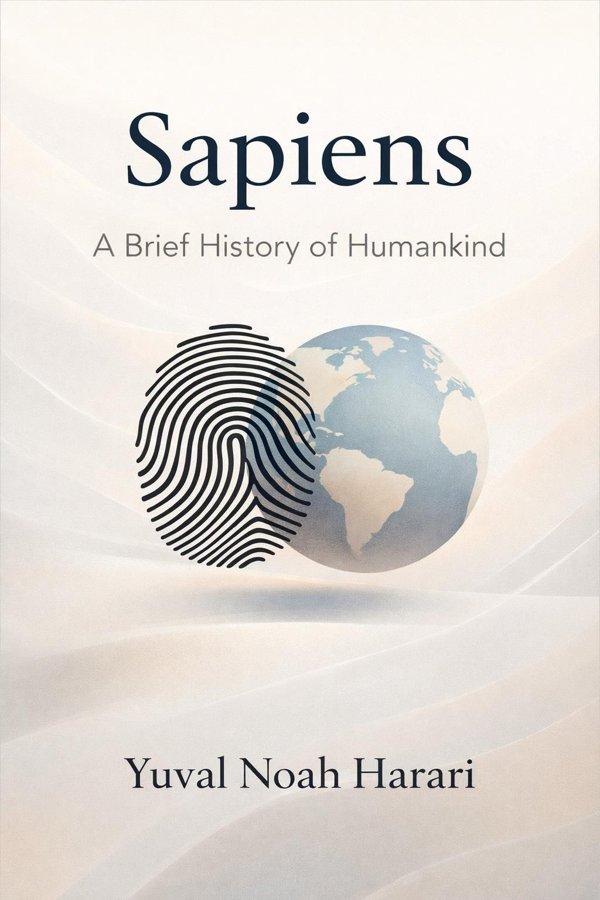
Sapiens
by Yuval Noah Harari
Sapiens: A Brief History of Humankind is a historical essay that explores the evolution of the human species from the earliest Homo sapiens to the modern era. Yuval Noah Harari examines how biology, anthropology, and economics have shaped human societies, highlighting three major revolutions: the cognitive, the agricultural, and the scientific. The book offers a panoramic view of how ideas, myths, and social structures have enabled humans to dominate the planet.
Key Takeaways
- 1The Cognitive Revolution: The birth of imagination — About seventy thousand years ago, something extraordinary happened. Our ancestors, who had lived much like other animals…
- 2The Agricultural Revolution: The trap of progress — Around ten thousand years ago, humans began to cultivate crops and domesticate animals, converting from nomadic foragers…
 10 min read
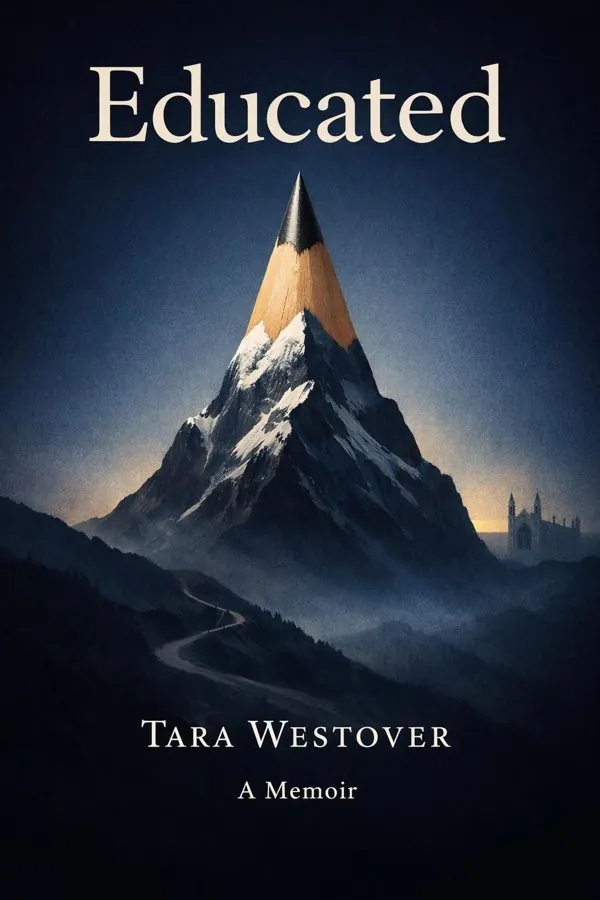
Educated
by Tara Westover
What does it mean to educate yourself when everything around you teaches you to stay small, silent, and obedient? In Educated, Tara Westover answers that question through one of the most striking memoirs of recent years. Her story begins in rural Idaho, in a survivalist Mormon household cut off from mainstream institutions, where hospitals, schools, and the government were treated as threats rather than supports. From that unlikely starting point, Westover eventually makes her way to Brigham Young University and later earns a doctorate in history from the University of Cambridge. What makes this memoir so powerful is that it is not simply a success story about academic achievement. It is a deeply human account of how knowledge changes a person from the inside out. Westover shows that education is not just the accumulation of facts; it is the painful, liberating process of learning to question the stories that shaped you. Her memoir matters because it speaks to anyone who has ever struggled to separate love from control, loyalty from self-betrayal, or family truth from personal truth. With honesty, emotional precision, and hard-won insight, Westover turns her life into a profound meditation on identity, memory, and the cost of becoming yourself.
Key Takeaways
- 1From the Mountain: Childhood and Isolation — Westover’s childhood at the foot of Buck’s Peak is the foundation of everything that follows. The mountain is more than …
- 2Work, Fear, and the Awakening of a Mind — In the junkyard, work becomes Westover’s first education in risk, hierarchy, and survival. She learns by doing, but what…
- 3Learning the World Beyond: From the Mountain to BYU — Westover’s move from her isolated upbringing to Brigham Young University marks one of the memoir’s most dramatic shifts.…
 10 min read
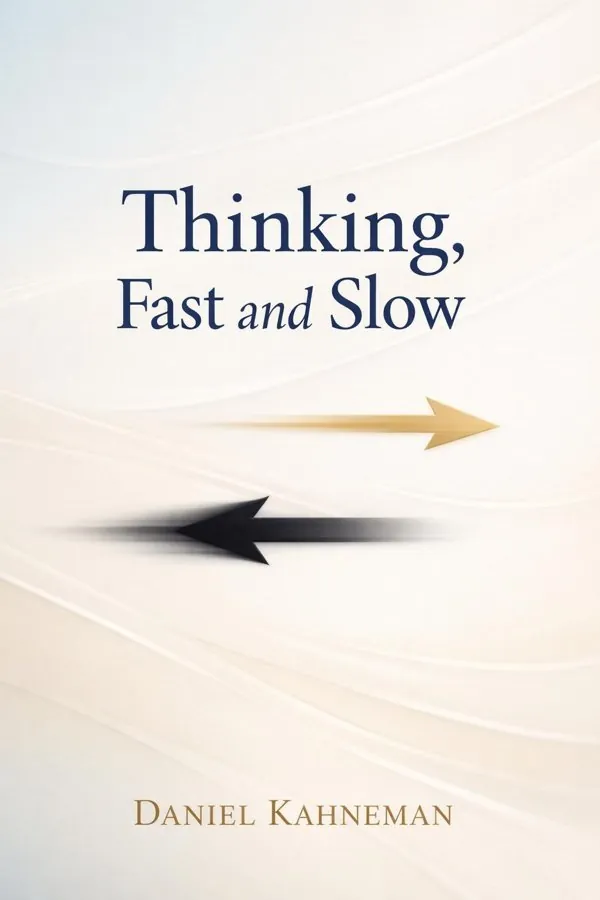
Thinking Fast and Slow
by Daniel Kahneman
In this landmark book, Nobel laureate Daniel Kahneman presents decades of research on how humans think, revealing the dual systems that drive our judgments and decisions: the fast, intuitive, and emotional System 1, and the slow, deliberate, and logical System 2. Through engaging examples and experiments, Kahneman explores cognitive biases, heuristics, and the limits of rationality, offering profound insights into how we make choices in everyday life and professional contexts.
Key Takeaways
- 1The Two Systems of Thought — Our minds work through two interacting systems. System 1 is automatic, fast, and emotional; System 2 is controlled, slow…
- 2Heuristics and Biases: The Architecture of Errors — Our cognitive machinery developed to manage complexity through shortcuts—mental rules of thumb called heuristics. Heuris…
- 3Overconfidence and Illusion of Understanding
 10 min read
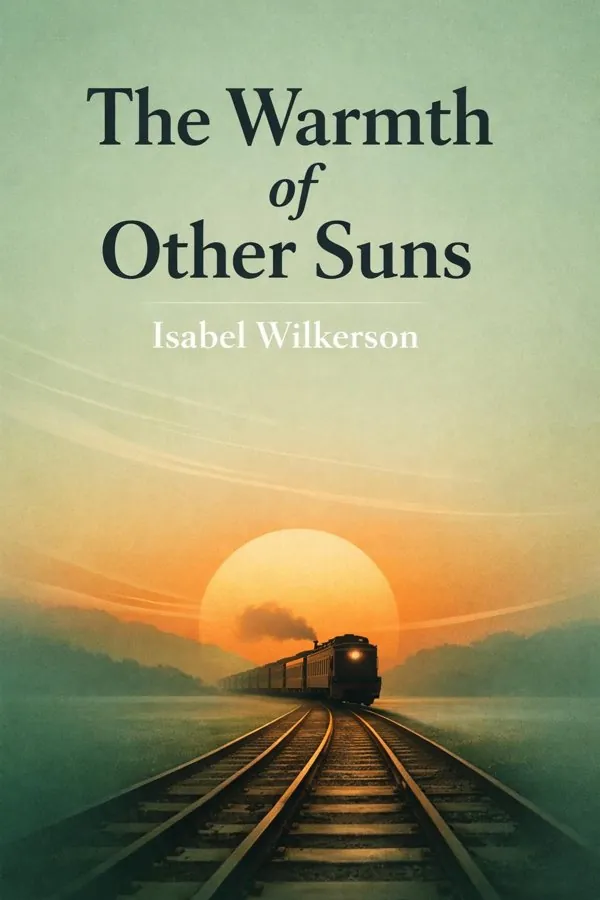
The Warmth of Other Suns
by Isabel Wilkerson
This nonfiction work chronicles the Great Migration, the decades-long movement of African Americans from the South to the North and West of the United States. Through extensive research and personal narratives, Isabel Wilkerson portrays the courage, resilience, and transformation of those who sought freedom and opportunity, reshaping American cities and culture.
Key Takeaways
- 1Historical Context — The Great Migration was born out of necessity. After the promise of Reconstruction faded, African Americans in the South…
- 2Ida Mae Gladney’s Early Life — Ida Mae Brandon Gladney’s story begins in Chickasaw County, Mississippi, in the 1930s—a place and time defined by the un…
- 3George Starling’s Beginnings
 10 min read
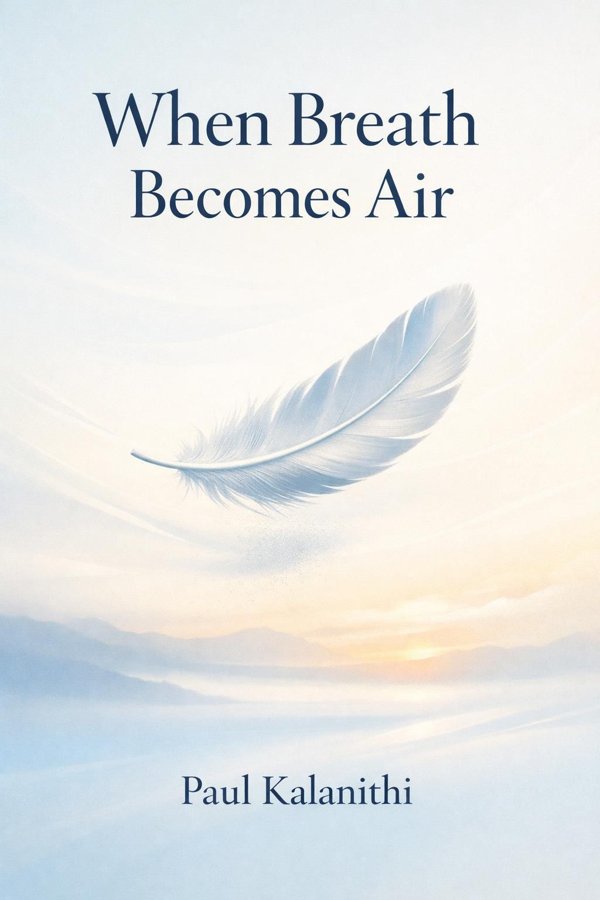
When Breath Becomes Air
by Paul Kalanithi
What do you do when the future you spent years building suddenly disappears? In *When Breath Becomes Air*, Paul Kalanithi confronts that question with unusual honesty, intelligence, and grace. This memoir is far more than a cancer narrative. It is a profound meditation on mortality, identity, purpose, and the fragile line between doctor and patient. As a neurosurgeon, Kalanithi devoted his life to operating on the organ that creates thought, memory, personality, and selfhood. As a writer and lifelong reader, he also understood that science alone cannot answer the deepest human questions. That rare combination gives this book its power. Kalanithi brings together medicine, philosophy, literature, and lived experience to ask what makes life meaningful when time is limited. His reflections resonate with anyone facing uncertainty, loss, ambition, or the search for a life worth living. Because he writes from both sides of the hospital bed, his insights feel especially hard-won. *When Breath Becomes Air* matters because it reminds us that death is not only a medical event. It is also a mirror, showing us how we choose to live.
Key Takeaways
- 1From the Arizona Desert to a Quest for Literature and Science — Kalanithi’s early life in the Arizona desert becomes the first lens through which he learns to think about vastness, sol…
- 2Cambridge Reflections: Consciousness and the Philosophy of Death — At Cambridge, Kalanithi deepens the intellectual search that had already shaped his life. He turns to the philosophy of …
- 3The Physician’s Calling: Contemplating Life and Death in the Operating Room — In medicine, and especially in neurosurgery, Kalanithi finds the place where his intellectual and moral questions become…
 10 min read
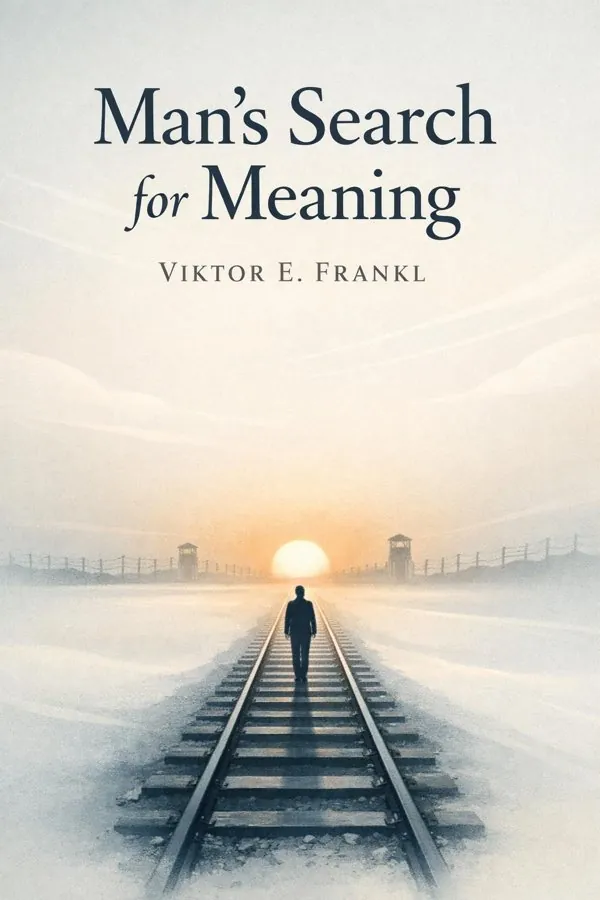
Man's Search for Meaning
by Viktor Frankl
What keeps a person going when everything familiar has been taken away—comfort, identity, loved ones, freedom, and even the expectation of tomorrow? That is the unbearable and essential question at the heart of *Man's Search for Meaning*. Viktor E. Frankl’s landmark book is far more than a Holocaust memoir. It is a profound study of human endurance, an examination of suffering, and a practical philosophy for anyone trying to live with purpose in hard times. Drawing on his experiences in Nazi concentration camps, Frankl explores how people respond when life is reduced to its barest terms and why some still manage to preserve dignity, hope, and inner freedom. What makes this book endure is that Frankl does not offer empty inspiration. He writes as an Austrian neurologist, psychiatrist, and Holocaust survivor who later developed logotherapy, a school of psychotherapy centered on meaning as the primary human motivation. His insight is simple but life-changing: even when we cannot change our circumstances, we can still choose our response. That idea has made this book one of the most influential works in psychology and self-help, especially for readers facing grief, burnout, uncertainty, or the quiet fear that life has lost direction.
Key Takeaways
- 1The Shock of Arrival and the Dehumanization of Camp Life — When Frankl first arrived at Auschwitz, the destruction of the self began immediately. The process was systematic: priso…
- 2Emotional Detachment and the Apathy that Defines Survival — After the first shock came a second psychological stage: apathy. Frankl shows that this numbness was not indifference in…
- 3Moral Choice and Inner Freedom in the Midst of Suffering — One of the book’s most powerful claims is that even under extreme oppression, a human being retains a final freedom: the…
 10 min read
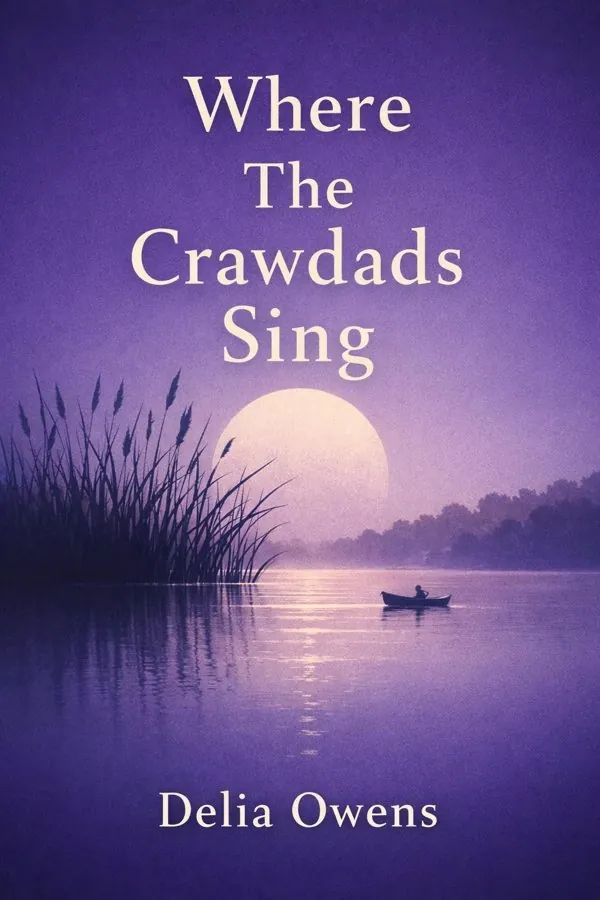
Where the Crawdads Sing
by Delia Owens
What makes a person who they are: the people who raise them, the place that shapes them, or the wounds they learn to survive? Where the Crawdads Sing answers that question through one of modern fiction’s most unforgettable heroines, Kya Clark, a girl abandoned by nearly everyone except the wild marsh she calls home. First published in 2018, Delia Owens’s bestselling novel blends coming-of-age drama, love story, courtroom suspense, and murder mystery into a deeply atmospheric reading experience. But what gives the book its lasting emotional power is its portrait of loneliness, prejudice, and the human need to belong. Set against the coastal wetlands of North Carolina, the novel asks readers to look beyond labels like “Marsh Girl” and see the full humanity of someone society has dismissed. Owens, an American author and zoologist, brings extraordinary sensory detail to the natural world, making the marsh feel as alive and important as any character in the story. That scientific eye, paired with an intimate emotional lens, gives the novel its signature strength. If you’re drawn to stories about resilience, nature, heartbreak, and hidden truths, this book offers all of that—and more.
Key Takeaways
- 1Kya’s Early Life and Family Abandonment — Kya Clark’s childhood is shaped by repeated abandonment, and the novel makes clear that this isn’t a single traumatic ev…
- 2Learning, Love, and the Pain of Absence — Tate Walker changes Kya’s life because he offers something no one else has consistently given her: patient recognition. …
- 3Chase Andrews and the Collision of Two Worlds — Chase Andrews represents a very different kind of relationship from Tate, and through him the novel explores what happen…
 10 min read
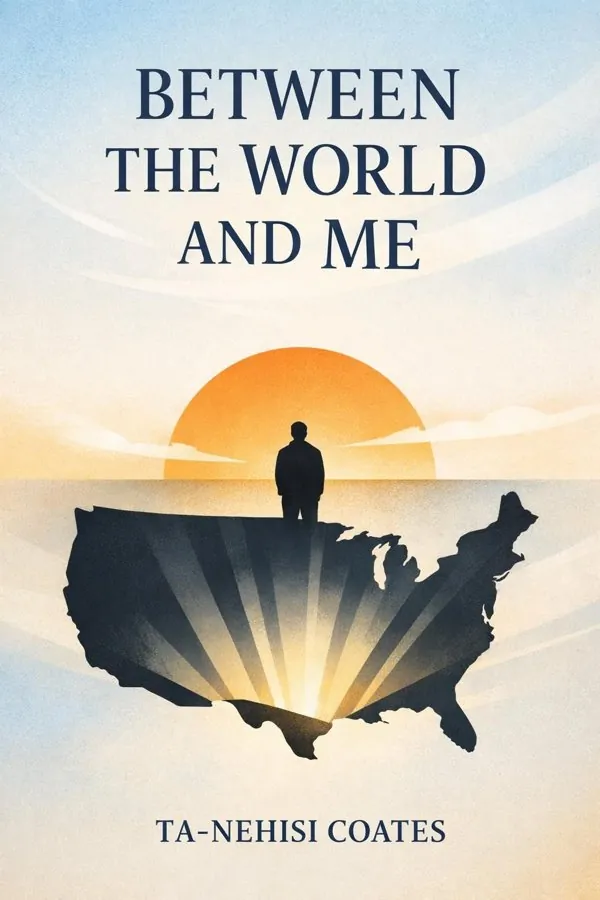
Between the World and Me
by Ta-Nehisi Coates
Between the World and Me is a nonfiction work written as a letter from Ta-Nehisi Coates to his teenage son, exploring the realities of being Black in America. It reflects on history, identity, and the ongoing struggle against racial injustice, offering a deeply personal and philosophical meditation on what it means to live within a Black body in the United States.
Key Takeaways
- 1The Meaning of the Body — The body is where the struggle begins and ends. When I speak of the body, I speak of the tangible: skin, bone, breath, p…
- 2Childhood in Baltimore — In Baltimore, my boyhood was an endless schooling in fear. The streets taught me lessons that no classroom could offer—h…
- 3Education and Awareness
 10 min read
A Promised Land
by Barack Obama
A Promised Land is the first volume of Barack Obama’s presidential memoirs, offering a deeply personal and introspective account of his early political career, the 2008 campaign, and his first term as President of the United States. Obama reflects on the challenges of leadership, the complexities of democracy, and the moral and political choices that shaped his administration.
Key Takeaways
- 1Early Life and Political Awakening — My journey begins far from the White House halls—from the warm sunlight of Hawaii and the streets of Jakarta to the neig…
- 2Entry into Politics — My leap into the Illinois State Senate was less about ambition than about purpose. I wanted to see whether the ideals I …
- 3U.S. Senate Campaign
Want the full summary?
Get instant access to this book summary and 500K+ more with Fizz Moment.
Get Free SummaryAvailable on App Store • Free to download
About This List
Barack Obama shares his annual reading list every year, featuring books on history, identity, science, and the human condition. His picks reflect deep intellectual curiosity and a commitment to understanding diverse perspectives.
This list features 9 carefully selected books. With FizzRead, you can read AI-powered summaries of each book in just 15 minutes. Get the key takeaways and start applying the insights immediately.
Ready to start reading?
Get instant access to all 9 book summaries and 500K+ more with FizzRead.