
Warren Buffett's Must-Reads for Building Wealth
The Oracle of Omaha reads 500 pages a day and credits books for his investing success. Warren Buffett's reading list is a masterclass in finance, decision-making, and long-term thinking — essential for anyone serious about building wealth.
 10 min read
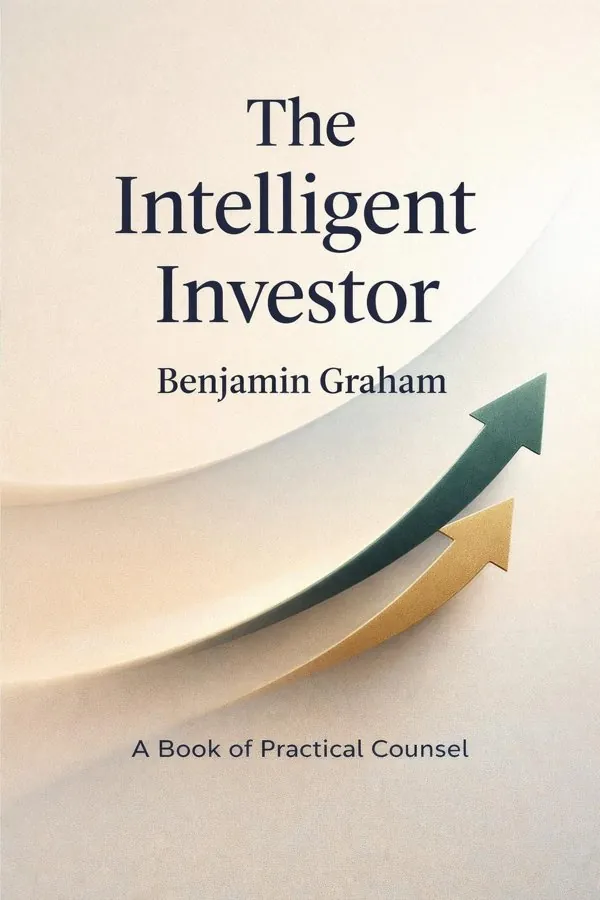
The Intelligent Investor
by Benjamin Graham
Why does one investor build durable wealth over decades while another repeatedly chases hot tips, panics in downturns, and ends up disappointed? Benjamin Graham’s The Intelligent Investor answers that question with unusual clarity. First published in 1949, this classic remains one of the most respected books on value investing because it focuses less on prediction and more on judgment, discipline, and protection against avoidable mistakes. Graham, widely regarded as the father of modern security analysis, wrote for ordinary investors who wanted a rational framework in a market often driven by noise, excitement, and fear. His advice is timeless precisely because human behavior in markets rarely changes. Instead of promising quick riches, he teaches readers how to think about risk, intrinsic value, portfolio construction, and emotional control. Concepts such as the margin of safety, the distinction between investment and speculation, and the famous allegory of Mr. Market have shaped generations of investors, including many professionals. If you want a practical philosophy for making smarter financial decisions and avoiding costly psychological traps, this book still matters enormously.
Key Takeaways
- 1The Difference Between Investment and Speculation — Graham begins with a deceptively simple but essential definition: an investment operation is one that, after thorough an…
- 2Defining the Intelligent Investor: Emotional Discipline — For Graham, intelligence in investing has little to do with IQ, advanced math, or market predictions. The intelligent in…
- 3Understanding Market Fluctuations: The Allegory of Mr. Market — One of Graham’s most memorable teaching tools is Mr. Market, an imaginary business partner who shows up every day offeri…
 10 min read
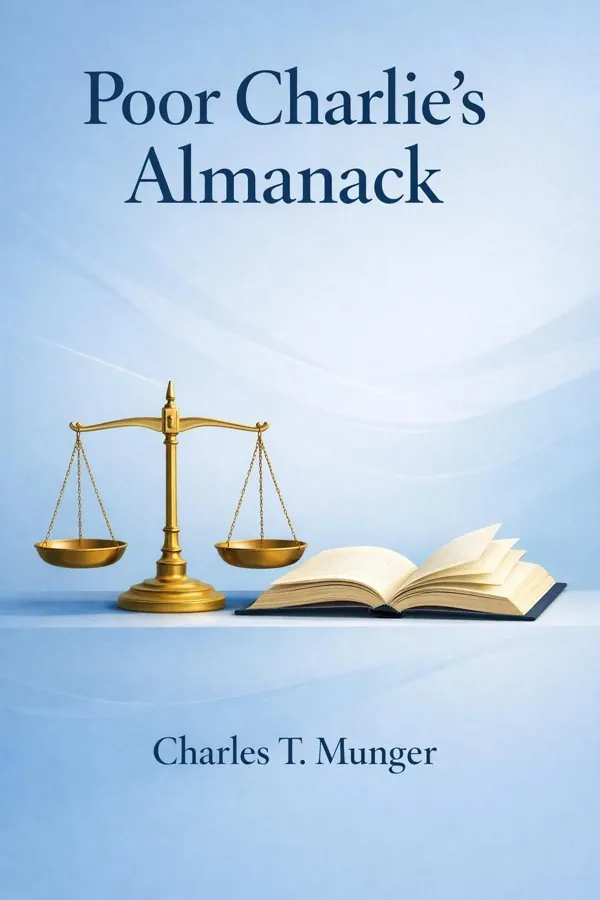
Poor Charlie"s Almanack
by Charles T. Munger
Poor Charlie’s Almanack is a collection of speeches, essays, and commentary by Charles T. Munger, vice chairman of Berkshire Hathaway. Edited by Peter D. Kaufman, the book presents Munger’s insights on investing, decision-making, human psychology, and life philosophy, emphasizing multidisciplinary thinking and rationality. It serves as both a biography and a compendium of Munger’s intellectual framework, reflecting his humor and wisdom.
Key Takeaways
- 1The Psychology of Human Misjudgment — When I delivered the talk called “The Psychology of Human Misjudgment,” my goal was simple: to make intelligent people a…
- 2The Importance of Mental Models — A man with a single lens sees one world; a man with many lenses sees reality. My argument for mental models has always b…
- 3Worldly Wisdom and Multidisciplinary Learning
 10 min read
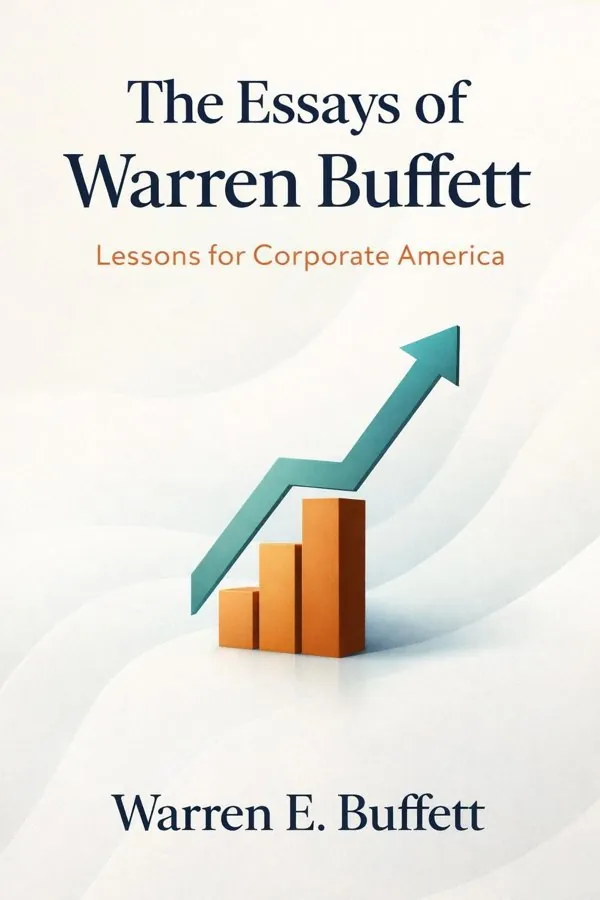
The Essays of Warren Buffett
by Warren Buffett
This book is a curated collection of Warren Buffett’s annual shareholder letters to Berkshire Hathaway investors, organized by topic and edited by Lawrence A. Cunningham. It distills Buffett’s philosophy on corporate governance, investing, management, and business ethics, offering timeless insights into value investing and sound business practices.
Key Takeaways
- 1Corporate Governance — Corporate governance is the cornerstone of any responsible enterprise. From my perspective, managers, directors, and sha…
- 2Corporate Finance and Investing — The allocation of capital is the CEO’s most essential job. Every dollar brought into the business is a soldier in the ba…
- 3Common Stock and Market Behavior
 10 min read
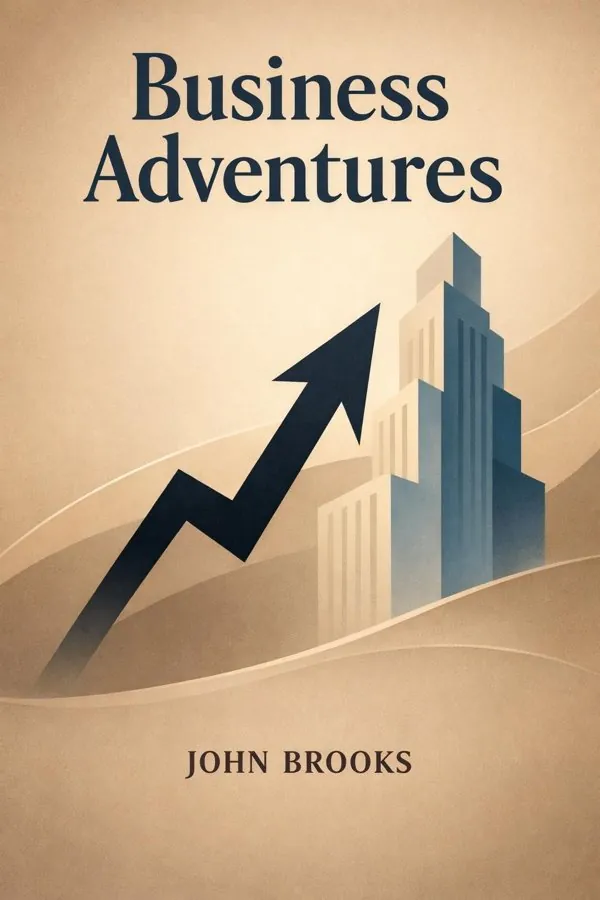
Business Adventures
by John Brooks
Business Adventures is a collection of twelve essays by John Brooks, originally published in The New Yorker during the 1960s. Each story explores a notable event or phenomenon in American business history, from the rise and fall of companies to the psychology of markets and leadership. The book offers timeless insights into corporate behavior, human nature, and the unpredictable dynamics of capitalism.
Key Takeaways
- 1The Fluctuation — In early 1962, the stock market shuddered. It wasn’t the catastrophic crash of 1929, but it carried a disquieting messag…
- 2The Fate of the Edsel — Ford’s Edsel was supposed to represent triumph. Years of research, millions of dollars, and the finest marketing minds w…
- 3The Federal Income Tax
 10 min read
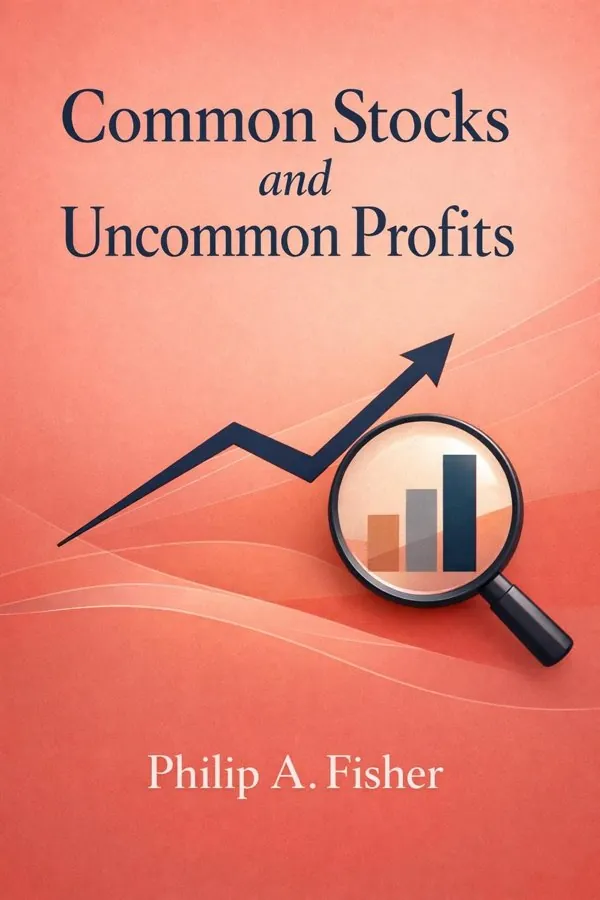
Common Stocks and Uncommon Profits
by Philip Fisher
This classic investment book by Philip A. Fisher outlines the principles of growth investing and emphasizes the importance of qualitative analysis in stock selection. Fisher introduces the concept of 'scuttlebutt'—gathering information from various sources to evaluate a company’s management and prospects—and provides timeless guidance on identifying companies with long-term potential.
Key Takeaways
- 1Defining the Right Investment Philosophy — When I draw the line between speculation and investment, I do so from painful observation. Many market participants thin…
- 2The Concept of Scuttlebutt — Numbers alone tell you only part of the story. To understand a company fully, you must walk around it—talk to those who …
- 3The Fifteen Points to Look for in a Common Stock
 10 min read
The Most Important Thing
by Howard Marks
What separates exceptional investors from the crowd is rarely access to better information alone. More often, it is the ability to interpret that information with greater depth, discipline, and emotional balance. In The Most Important Thing, legendary investor Howard Marks distills decades of experience into a practical philosophy of intelligent investing. Rather than offering a formula for quick profits, Marks explains how thoughtful investors can improve their odds by understanding risk, market cycles, value, psychology, and the importance of judgment. At the center of the book is his famous idea of “second-level thinking,” the ability to look beyond obvious conclusions and ask what others may be missing. This book matters because it challenges many of the simplistic assumptions that dominate financial conversations. Marks argues that success does not come from certainty or prediction, but from careful reasoning, humility, and consistent decision-making under uncertainty. As co-founder of Oaktree Capital Management and one of the most respected voices in investing, Marks writes with unusual authority. His insights are valuable not only for professional investors, but for anyone who wants to make better decisions in environments shaped by risk, emotion, and imperfect information.
Key Takeaways
- 1Second-Level Thinking Beats the Obvious — Most people stop thinking at the first reasonable answer, but extraordinary results usually come from going one level de…
- 2Risk Matters More Than Return Chasing — The most dangerous investment mistake is not earning too little; it is taking risks you do not fully understand. Marks r…
- 3Value and Price Are Never the Same — An excellent asset can still be a poor investment if you pay too much for it. This distinction between value and price i…
 10 min read
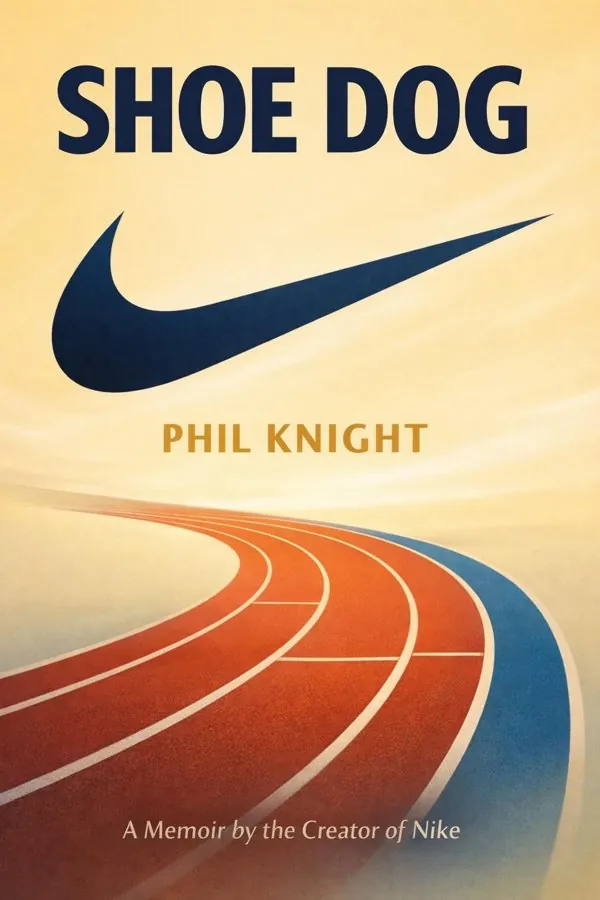
Shoe Dog
by Phil Knight
Shoe Dog es una memoria escrita por Phil Knight, fundador de Nike, que narra la historia de cómo transformó un pequeño préstamo de $50 en una de las marcas más reconocidas del mundo. El libro describe los desafíos, fracasos y triunfos que enfrentó mientras construía la empresa desde sus humildes comienzos como Blue Ribbon Sports hasta convertirse en un gigante global. Con humor, humanidad y franqueza, Knight ofrece una mirada íntima al espíritu emprendedor y la perseverancia detrás del éxito de Nike.
Key Takeaways
- 1The Crazy Idea: From Post-College Doubt to Bold Vision — After finishing my MBA at Stanford, I found myself drifting, restless. The world seemed vast and full of possibilities, …
- 2Building Blue Ribbon Sports: Hustle, Partnership, and Persistence — When I returned to Oregon, my grand dream shrunk to the size of a car trunk. I began selling Onitsuka Tiger shoes at tra…
- 3Breaking Away: Conflict with Onitsuka and the Birth of Nike
 10 min read
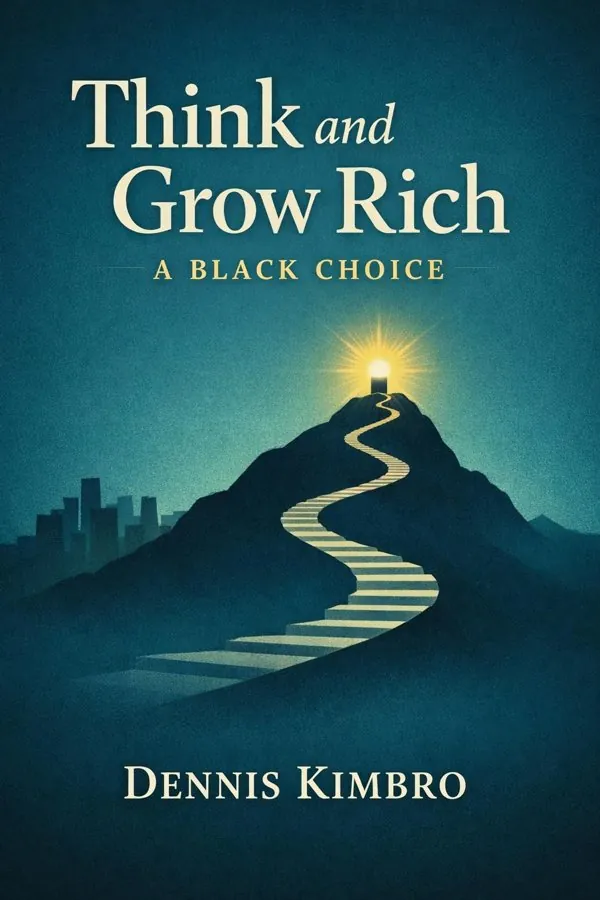
Think and Grow Rich
by Napoleon Hill
What does it really take to build wealth, confidence, and lasting success when the odds have not always been in your favor? That is the central question behind this powerful adaptation of Think and Grow Rich. In this version, the familiar success principles popularized by Napoleon Hill are explored through the lived experiences, struggles, and achievements of African Americans who turned vision into accomplishment. The result is more than a motivational book. It is a practical guide to self-mastery, disciplined thinking, and purposeful action. What makes this book matter is its insistence that success is not reserved for the privileged or the fortunate. It begins in the mind, is strengthened by faith, and is made real through persistence, learning, and community. By grounding timeless success ideas in Black history and achievement, the book gives readers examples that feel concrete, relevant, and deeply inspiring. Dennis Kimbro, an American author, educator, and motivational speaker known for his work on leadership and achievement in the African American community, brings credibility and clarity to these ideas. His message is simple but transformative: greatness is not an exception in Black life. It is a legacy to be claimed and extended.
Key Takeaways
- 1Historical Context — Before ambition can feel believable, it has to be placed inside a truthful story. This chapter shows that for African Am…
- 2The Power of Thought — One of the book’s core beliefs is that success begins in the mind. Thoughts shape identity, expectations, and behavior l…
- 3Defining Desire and Purpose — Desire is more than wishing for a better life. In this book, it is presented as a focused, emotionally charged commitmen…
Want the full summary?
Get instant access to this book summary and 500K+ more with Fizz Moment.
Get Free SummaryAvailable on App Store • Free to download
About This List
The Oracle of Omaha reads 500 pages a day and credits books for his investing success. Warren Buffett's reading list is a masterclass in finance, decision-making, and long-term thinking — essential for anyone serious about building wealth.
This list features 8 carefully selected books. With FizzRead, you can read AI-powered summaries of each book in just 15 minutes. Get the key takeaways and start applying the insights immediately.
Ready to start reading?
Get instant access to all 8 book summaries and 500K+ more with FizzRead.