
Robert Greene's Essential Reading List
The books that influenced the master strategist behind The 48 Laws of Power. Dive into Greene's recommended readings on power, history, and human nature.
 10 min read
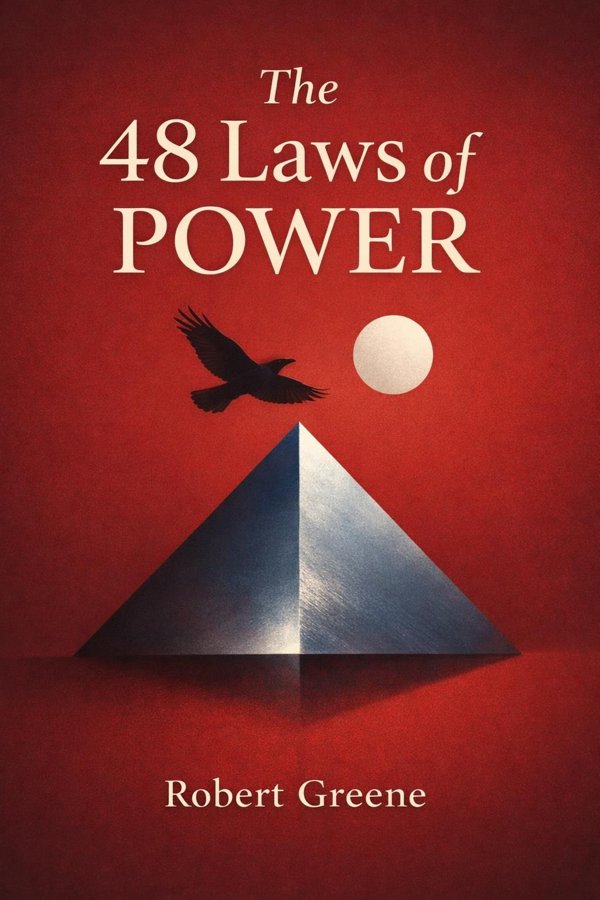
48 Laws of Power
by Robert Greene
The 48 Laws of Power is a modern classic on strategy, influence, and human behavior. Drawing from historical examples of powerful figures such as Machiavelli, Sun Tzu, and various political leaders, Robert Greene distills centuries of wisdom into 48 concise laws designed to help readers understand and navigate the dynamics of power in social, professional, and political contexts.
Key Takeaways
- 1Law 1–5: Foundations of Power—Perception, Discretion, and Strategic Humility — Power begins with awareness. To act effectively, you must first understand how others perceive you. Many destroy their o…
- 2Law 6–10: Capturing Attention and Building Reputation — Power cannot thrive in obscurity. Visibility is the oxygen of influence, but it must be managed like a flame—never too b…
- 3Law 11–15: Relationships, Independence, and Strategic Absence
 10 min read
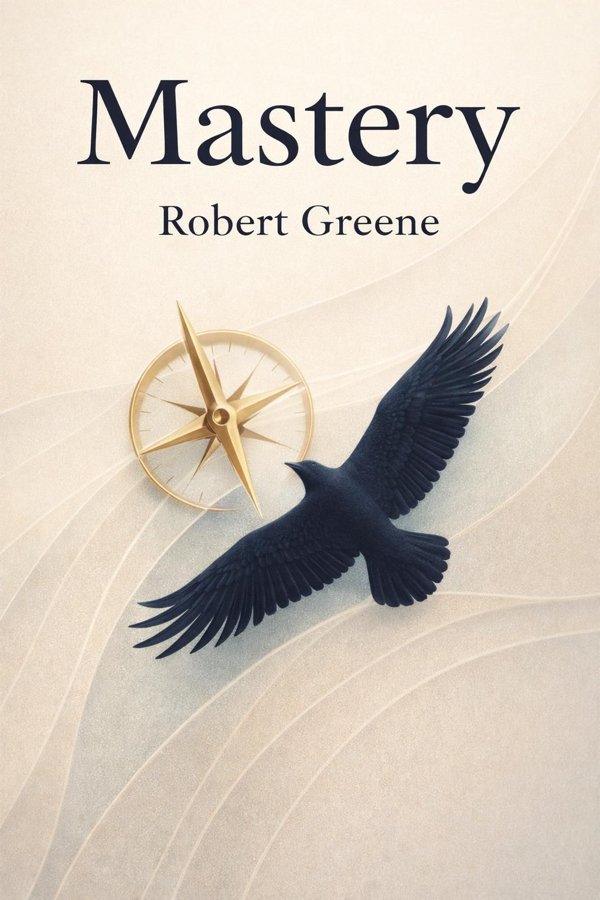
Mastery
by Robert Greene
In Mastery, Robert Greene explores the process of achieving excellence by studying the lives of historical and contemporary masters. He outlines the stages of apprenticeship, creative independence, and mastery, showing how individuals can unlock their potential through dedication, learning, and persistence. Drawing on examples from figures such as Leonardo da Vinci, Charles Darwin, and modern innovators, Greene provides a roadmap for personal and professional growth.
Key Takeaways
- 1Discovering Your Life’s Task — Every human being is born with a deep inclination—a calling that aligns with their natural curiosity and temperament. Ma…
- 2The Apprenticeship Phase — The apprenticeship is the crucible of mastery—a period of humility, patience, and unrelenting observation. In this phase…
- 3Absorbing the Master’s Power
 10 min read
Meditations
by Marcus Aurelius
What does it mean to stay calm, just, and fully human in a world full of pressure, conflict, ego, and loss? That is the enduring question at the heart of Meditations, the private journal of Roman emperor Marcus Aurelius. Written in Greek and never intended for publication, these reflections are not polished philosophy lectures. They are personal reminders from one of the most powerful men in the world trying to govern not only an empire, but also his own mind. That tension is exactly why this book still matters. Meditations remains one of the clearest guides to Stoic philosophy because it speaks directly to everyday struggles: dealing with difficult people, accepting change, resisting vanity, and acting with integrity when no one is watching. Marcus Aurelius is remembered as both a Roman emperor and a Stoic philosopher, a rare figure often described as a philosopher-king. His reflections on virtue, discipline, mortality, and inner peace have influenced readers for centuries. If you want practical wisdom rather than abstract theory, Meditations offers a deeply human blueprint for living with clarity, resilience, and moral purpose.
Key Takeaways
- 1Book I: Lessons from Those Who Shaped Me — The opening book of Meditations is an extraordinary act of gratitude. Instead of launching into abstract arguments, Marc…
- 2Book II: Accepting Fate and Living Rationally — Book II opens with one of the most quoted passages in Stoic philosophy: a morning reminder that we will meet interfering…
- 3Book III: Integrity Beyond Fame — In Book III, Marcus Aurelius turns his attention to time, mortality, and the danger of living for approval. He reminds h…
 10 min read
Man's Search for Meaning
by Viktor Frankl
What keeps a person going when everything familiar has been taken away—comfort, identity, loved ones, freedom, and even the expectation of tomorrow? That is the unbearable and essential question at the heart of *Man's Search for Meaning*. Viktor E. Frankl’s landmark book is far more than a Holocaust memoir. It is a profound study of human endurance, an examination of suffering, and a practical philosophy for anyone trying to live with purpose in hard times. Drawing on his experiences in Nazi concentration camps, Frankl explores how people respond when life is reduced to its barest terms and why some still manage to preserve dignity, hope, and inner freedom. What makes this book endure is that Frankl does not offer empty inspiration. He writes as an Austrian neurologist, psychiatrist, and Holocaust survivor who later developed logotherapy, a school of psychotherapy centered on meaning as the primary human motivation. His insight is simple but life-changing: even when we cannot change our circumstances, we can still choose our response. That idea has made this book one of the most influential works in psychology and self-help, especially for readers facing grief, burnout, uncertainty, or the quiet fear that life has lost direction.
Key Takeaways
- 1The Shock of Arrival and the Dehumanization of Camp Life — When Frankl first arrived at Auschwitz, the destruction of the self began immediately. The process was systematic: priso…
- 2Emotional Detachment and the Apathy that Defines Survival — After the first shock came a second psychological stage: apathy. Frankl shows that this numbness was not indifference in…
- 3Moral Choice and Inner Freedom in the Midst of Suffering — One of the book’s most powerful claims is that even under extreme oppression, a human being retains a final freedom: the…
 10 min read
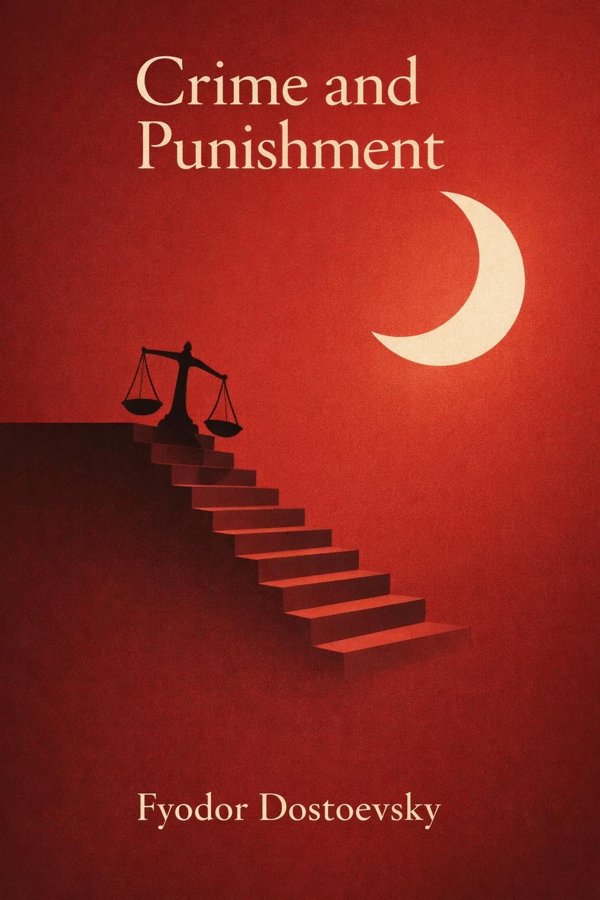
Crime and Punishment
by Fyodor Dostoevsky
Crime and Punishment is one of the most penetrating novels ever written about guilt, morality, and the hidden motives that drive human behavior. Set in the oppressive heat and poverty of St. Petersburg, the story follows Rodion Raskolnikov, a former student who convinces himself that extraordinary people may step beyond ordinary moral laws. Acting on this idea, he commits a brutal crime and then discovers that intellectual justification offers no protection against conscience, fear, and spiritual collapse. What begins as a murder story becomes a profound psychological investigation into suffering, pride, alienation, and the possibility of redemption. Fyodor Dostoevsky matters because few writers have understood the contradictions of the human soul so deeply. Drawing on his own experiences with poverty, imprisonment, political persecution, and religious struggle, he created a novel that still feels startlingly modern. Crime and Punishment remains essential not only as a literary classic, but as a timeless study of how people rationalize wrongdoing, how guilt reshapes identity, and how truth can become the first step toward renewal.
Key Takeaways
- 1Ideas Can Become Dangerous Actions — A destructive act often begins long before the act itself, in the quiet acceptance of a dangerous idea. In Crime and Pun…
- 2Guilt Punishes Before Any Court — The most relentless punishment is often internal rather than legal. After the murder, Raskolnikov does not become triump…
- 3Pride Is a Form of Isolation — Pride does not always look like confidence; sometimes it looks like withdrawal, contempt, and a refusal to need anyone. …
Want the full summary?
Get instant access to this book summary and 500K+ more with Fizz Moment.
Get Free SummaryAvailable on App Store • Free to download
About This List
The books that influenced the master strategist behind The 48 Laws of Power. Dive into Greene's recommended readings on power, history, and human nature.
This list features 5 carefully selected books. With FizzRead, you can read AI-powered summaries of each book in just 15 minutes. Get the key takeaways and start applying the insights immediately.
Ready to start reading?
Get instant access to all 5 book summaries and 500K+ more with FizzRead.