
Matthew McConaughey's Life Philosophy Books
The books that shaped Matthew McConaughey's unconventional life philosophy and led to his bestselling memoir Greenlights.
 10 min read
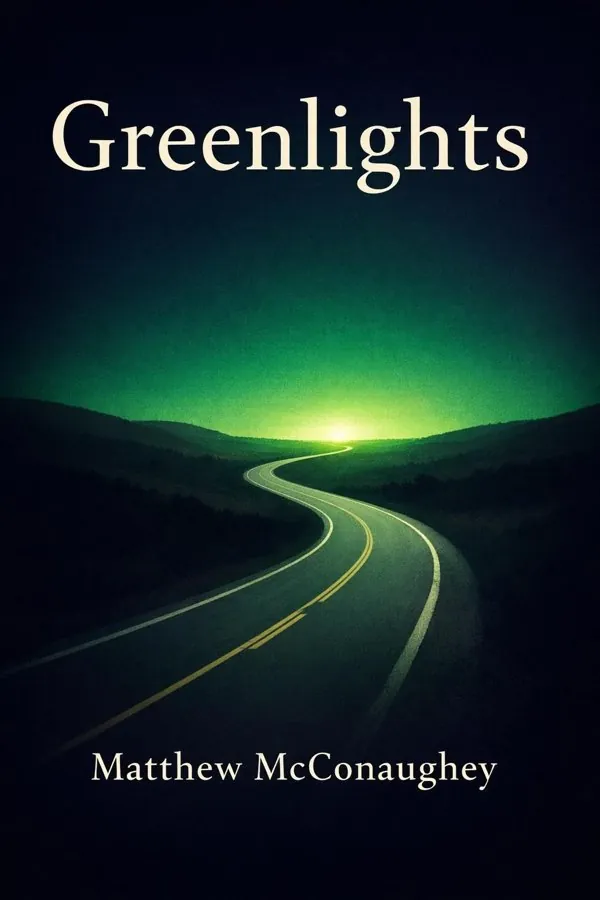
Greenlights
by Matthew McConaughey
Greenlights is a memoir by actor Matthew McConaughey that blends personal stories, reflections, and life lessons drawn from his journals spanning over three decades. The book explores his philosophy of embracing life's challenges and opportunities—what he calls 'greenlights'—to live with greater authenticity and joy.
Key Takeaways
- 1Roots in Texas: Where It All Began — I was born in Uvalde, Texas — a place where fists, love, stories, and faith were all forms of communication. My parents …
- 2College and the Spark of Acting — At the University of Texas, I studied law because that seemed respectable. Acting wasn’t part of the plan. But plans are…
- 3Fame, Failure, and the Fight for Authenticity
 10 min read
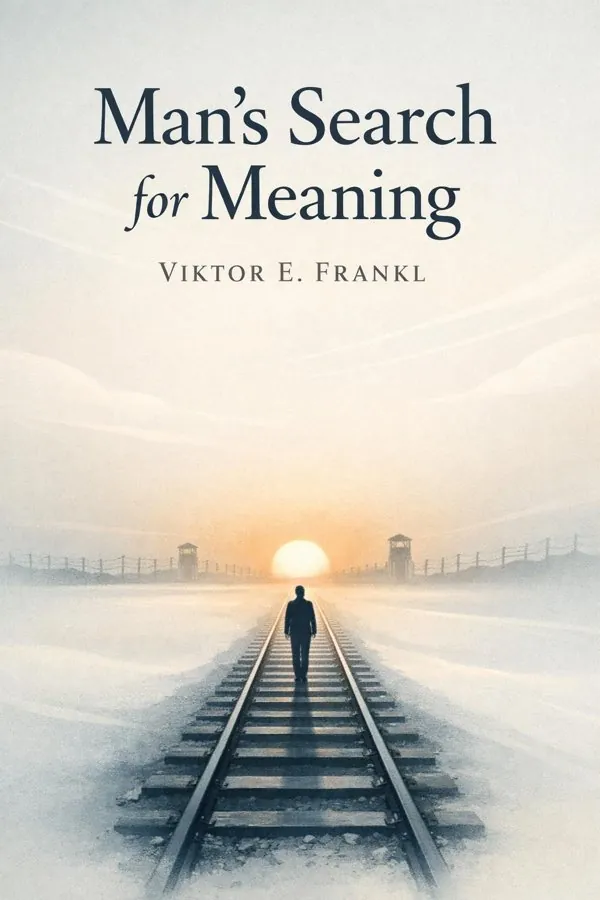
Man's Search for Meaning
by Viktor Frankl
What keeps a person going when everything familiar has been taken away—comfort, identity, loved ones, freedom, and even the expectation of tomorrow? That is the unbearable and essential question at the heart of *Man's Search for Meaning*. Viktor E. Frankl’s landmark book is far more than a Holocaust memoir. It is a profound study of human endurance, an examination of suffering, and a practical philosophy for anyone trying to live with purpose in hard times. Drawing on his experiences in Nazi concentration camps, Frankl explores how people respond when life is reduced to its barest terms and why some still manage to preserve dignity, hope, and inner freedom. What makes this book endure is that Frankl does not offer empty inspiration. He writes as an Austrian neurologist, psychiatrist, and Holocaust survivor who later developed logotherapy, a school of psychotherapy centered on meaning as the primary human motivation. His insight is simple but life-changing: even when we cannot change our circumstances, we can still choose our response. That idea has made this book one of the most influential works in psychology and self-help, especially for readers facing grief, burnout, uncertainty, or the quiet fear that life has lost direction.
Key Takeaways
- 1The Shock of Arrival and the Dehumanization of Camp Life — When Frankl first arrived at Auschwitz, the destruction of the self began immediately. The process was systematic: priso…
- 2Emotional Detachment and the Apathy that Defines Survival — After the first shock came a second psychological stage: apathy. Frankl shows that this numbness was not indifference in…
- 3Moral Choice and Inner Freedom in the Midst of Suffering — One of the book’s most powerful claims is that even under extreme oppression, a human being retains a final freedom: the…
 10 min read
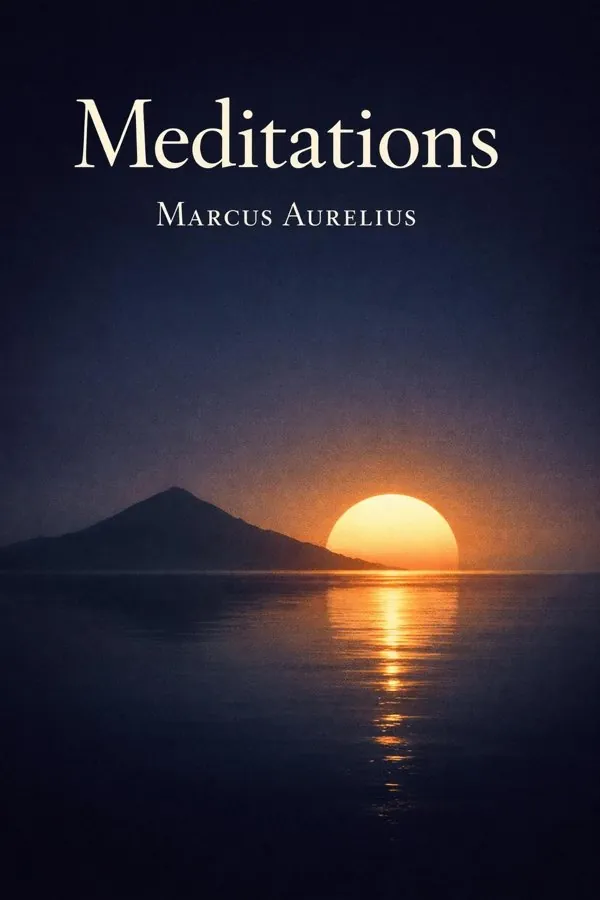
Meditations
by Marcus Aurelius
What does it mean to stay calm, just, and fully human in a world full of pressure, conflict, ego, and loss? That is the enduring question at the heart of Meditations, the private journal of Roman emperor Marcus Aurelius. Written in Greek and never intended for publication, these reflections are not polished philosophy lectures. They are personal reminders from one of the most powerful men in the world trying to govern not only an empire, but also his own mind. That tension is exactly why this book still matters. Meditations remains one of the clearest guides to Stoic philosophy because it speaks directly to everyday struggles: dealing with difficult people, accepting change, resisting vanity, and acting with integrity when no one is watching. Marcus Aurelius is remembered as both a Roman emperor and a Stoic philosopher, a rare figure often described as a philosopher-king. His reflections on virtue, discipline, mortality, and inner peace have influenced readers for centuries. If you want practical wisdom rather than abstract theory, Meditations offers a deeply human blueprint for living with clarity, resilience, and moral purpose.
Key Takeaways
- 1Book I: Lessons from Those Who Shaped Me — The opening book of Meditations is an extraordinary act of gratitude. Instead of launching into abstract arguments, Marc…
- 2Book II: Accepting Fate and Living Rationally — Book II opens with one of the most quoted passages in Stoic philosophy: a morning reminder that we will meet interfering…
- 3Book III: Integrity Beyond Fame — In Book III, Marcus Aurelius turns his attention to time, mortality, and the danger of living for approval. He reminds h…
 10 min read
Walden
by Henry David Thoreau
Walden es una obra de reflexión filosófica y naturalista escrita por Henry David Thoreau. Publicada por primera vez en 1854, el libro narra la experiencia del autor viviendo durante dos años en una cabaña junto al lago Walden, en Concord, Massachusetts. A través de sus observaciones sobre la naturaleza, la autosuficiencia y la simplicidad, Thoreau explora la relación entre el individuo y la sociedad, proponiendo una vida más consciente y en armonía con el entorno.
Key Takeaways
- 1Living Deliberately: The Meaning of the Experiment — I went to the woods because I wished to live deliberately, to confront only the essential facts of life and see if I cou…
- 2Economy and the Measure of Wealth — The first and longest chapter I wrote was called 'Economy.' Economy is not merely the management of money but the govern…
- 3Solitude, Companionship, and the Inner Life
 10 min read
Born to Run
by Christopher McDougall
Born to Run es un libro de no ficción que explora la cultura de los corredores Tarahumara de México y la ciencia detrás de la resistencia humana. Christopher McDougall investiga cómo estos corredores pueden recorrer largas distancias sin lesiones, revelando secretos sobre la evolución del cuerpo humano, la biomecánica del correr y la pasión universal por la libertad y el movimiento.
Key Takeaways
- 1A Personal Mystery and the Search for the Tarahumara — The story begins with a personal mystery. Despite being healthy, well-trained, and motivated, I couldn’t run without pai…
- 2Inside the Copper Canyons: Geography of Endurance — The Copper Canyons themselves are like a natural fortress. Imagine a labyrinth of narrow ravines and towering cliffs—a p…
- 3The Spirit of Running: History, Philosophy, and Joy
 10 min read
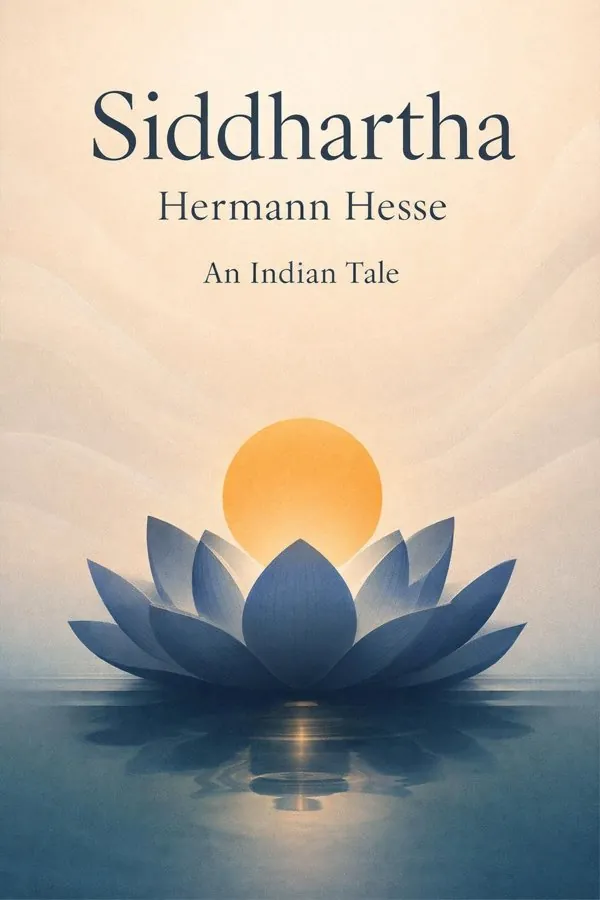
Siddhartha
by Hermann Hesse
Siddhartha is a 1922 novel by Hermann Hesse that follows the spiritual journey of a young man named Siddhartha during the time of the Buddha. Seeking enlightenment, Siddhartha explores asceticism, sensuality, and self-discovery, ultimately realizing the unity of all existence. The book is celebrated for its profound philosophical insights and its synthesis of Eastern and Western thought.
Key Takeaways
- 1The Dissatisfied Brahmin — I first met Siddhartha as a radiant young man, a Brahmin’s son whose life seemed already blessed. He was admired for his…
- 2Life with the Samanas and the Encounter with the Buddha — Life among the Samanas taught Siddhartha self-denial, but also the limits of renunciation. Under the harsh sun, he learn…
- 3The Worldly Years: Kamala and Kamaswami
Want the full summary?
Get instant access to this book summary and 500K+ more with Fizz Moment.
Get Free SummaryAvailable on App Store • Free to download
About This List
The books that shaped Matthew McConaughey's unconventional life philosophy and led to his bestselling memoir Greenlights.
This list features 6 carefully selected books. With FizzRead, you can read AI-powered summaries of each book in just 15 minutes. Get the key takeaways and start applying the insights immediately.
Ready to start reading?
Get instant access to all 6 book summaries and 500K+ more with FizzRead.