
Jordan Peterson's Essential Reading for Finding Meaning
Clinical psychologist and bestselling author Jordan Peterson's reading list draws from mythology, philosophy, psychology, and history. These books explore meaning, responsibility, and the foundations of Western thought.
 10 min read
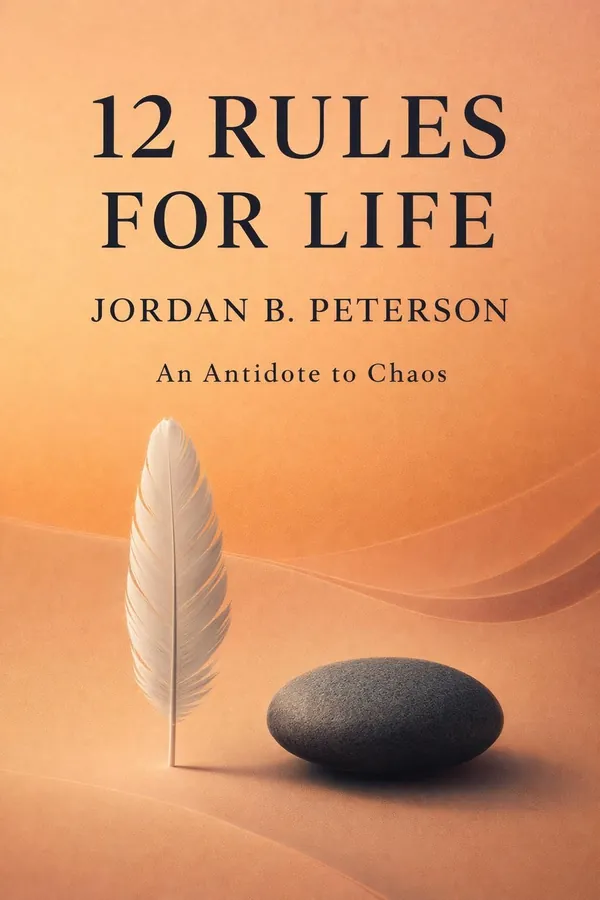
12 Rules for Life
by Jordan Peterson
Why did 12 Rules for Life become such a widely discussed self-help book? Because it speaks to a problem many people feel but struggle to name: modern life often feels unstable, fragmented, and full of noise. In response, Jordan B. Peterson offers a framework built around responsibility, honesty, discipline, and meaning. Rather than promising easy happiness or quick fixes, the book argues that a good life is created by how we meet suffering, uncertainty, and everyday choices. Peterson, a Canadian clinical psychologist, draws from psychology, mythology, religion, and personal observation to present twelve rules that are both practical and philosophical. Some sound simple on the surface—stand up straight, tell the truth, be precise in your speech—but each points to a deeper principle about character and how order is built in the middle of chaos. That blend of everyday advice and big-picture thinking is what gives the book its lasting appeal. For readers looking for a summary of 12 Rules for Life, the central message is clear: meaning grows when you take yourself seriously, act responsibly, and choose what is right over what is merely convenient.
Key Takeaways
- 1Rule 1 – Stand up straight with your shoulders back — This rule is about far more than posture. Peterson uses the image of lobsters and dominance hierarchies to argue that co…
- 2Rule 2 – Treat yourself like someone you are responsible for helping — Many people are kinder, more organized, and more reliable when caring for others than when caring for themselves. They r…
- 3Rule 3 – Make friends with people who want the best for you — The people around you shape your standards, moods, habits, and sense of possibility. Peterson’s warning here is simple: …
 10 min read
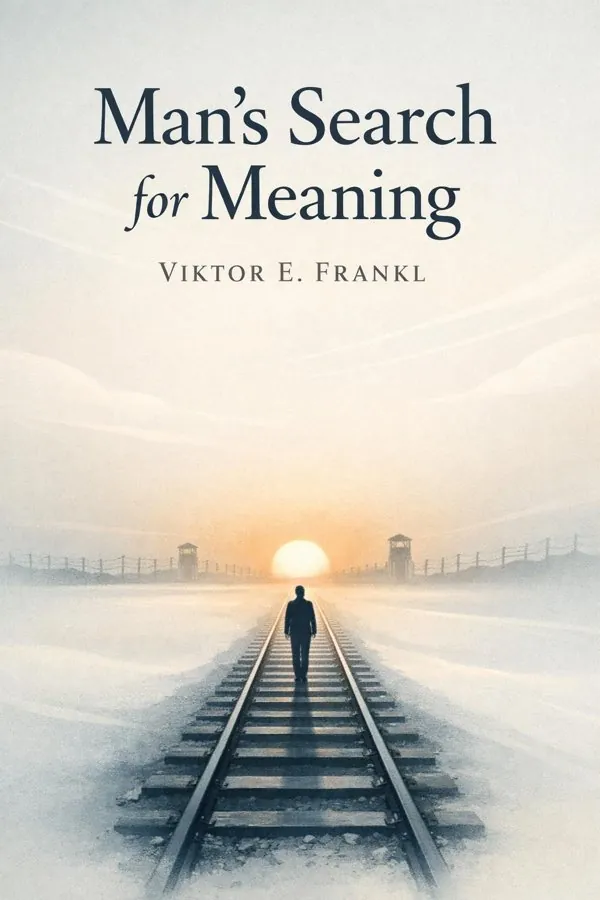
Man's Search for Meaning
by Viktor Frankl
What keeps a person going when everything familiar has been taken away—comfort, identity, loved ones, freedom, and even the expectation of tomorrow? That is the unbearable and essential question at the heart of *Man's Search for Meaning*. Viktor E. Frankl’s landmark book is far more than a Holocaust memoir. It is a profound study of human endurance, an examination of suffering, and a practical philosophy for anyone trying to live with purpose in hard times. Drawing on his experiences in Nazi concentration camps, Frankl explores how people respond when life is reduced to its barest terms and why some still manage to preserve dignity, hope, and inner freedom. What makes this book endure is that Frankl does not offer empty inspiration. He writes as an Austrian neurologist, psychiatrist, and Holocaust survivor who later developed logotherapy, a school of psychotherapy centered on meaning as the primary human motivation. His insight is simple but life-changing: even when we cannot change our circumstances, we can still choose our response. That idea has made this book one of the most influential works in psychology and self-help, especially for readers facing grief, burnout, uncertainty, or the quiet fear that life has lost direction.
Key Takeaways
- 1The Shock of Arrival and the Dehumanization of Camp Life — When Frankl first arrived at Auschwitz, the destruction of the self began immediately. The process was systematic: priso…
- 2Emotional Detachment and the Apathy that Defines Survival — After the first shock came a second psychological stage: apathy. Frankl shows that this numbness was not indifference in…
- 3Moral Choice and Inner Freedom in the Midst of Suffering — One of the book’s most powerful claims is that even under extreme oppression, a human being retains a final freedom: the…
 10 min read
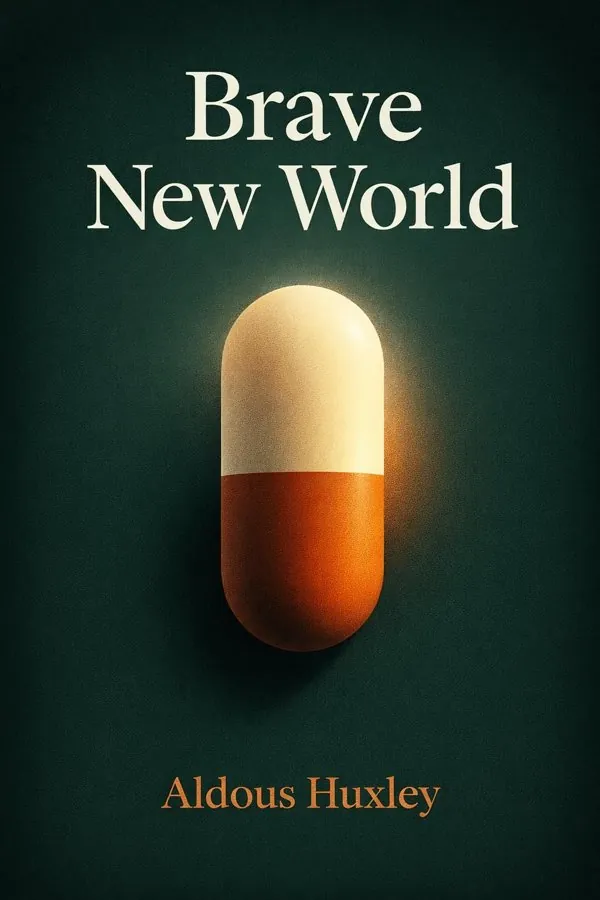
Brave New World
by Aldous Huxley
Brave New World is a dystopian novel by Aldous Huxley, first published in 1932. Set in a futuristic World State where citizens are engineered and conditioned for social stability, the novel explores themes of individuality, freedom, and the cost of technological and societal control. It remains one of the most influential works of twentieth-century literature, often compared with George Orwell’s 1984 for its prophetic vision of a controlled society.
Key Takeaways
- 1The Hatchery and Conditioning Center: Manufacturing Humanity — The story begins in the Hatchery and Conditioning Center—a place that marks the starting point of life and the foundatio…
- 2Social Hierarchies and the Mechanism of Happiness: The Price of Stability — In this world, stability reigns supreme. The social system rests upon rigid stratification: Alphas stand at the top, wie…
- 3Bernard Marx and Lenina Crowne: The Uneasy Awakening
 10 min read
1984
by George Orwell
A dystopian novel set in a totalitarian society ruled by Big Brother, where the Party exercises absolute control over truth, history, and individual thought. The story follows Winston Smith, a low-ranking member of the Party, as he begins to question the regime and seeks truth and freedom in a world dominated by surveillance and propaganda.
Key Takeaways
- 1Introduction to Oceania — When the story opens, the world is carved into three superstates perpetually at war: Oceania, Eastasia, and Eurasia. The…
- 2Winston Smith’s Daily Life — Winston Smith works at the Ministry of Truth, though the irony is cruelly precise—his job is to rewrite history, to ensu…
- 3The Mechanisms of Control
 10 min read
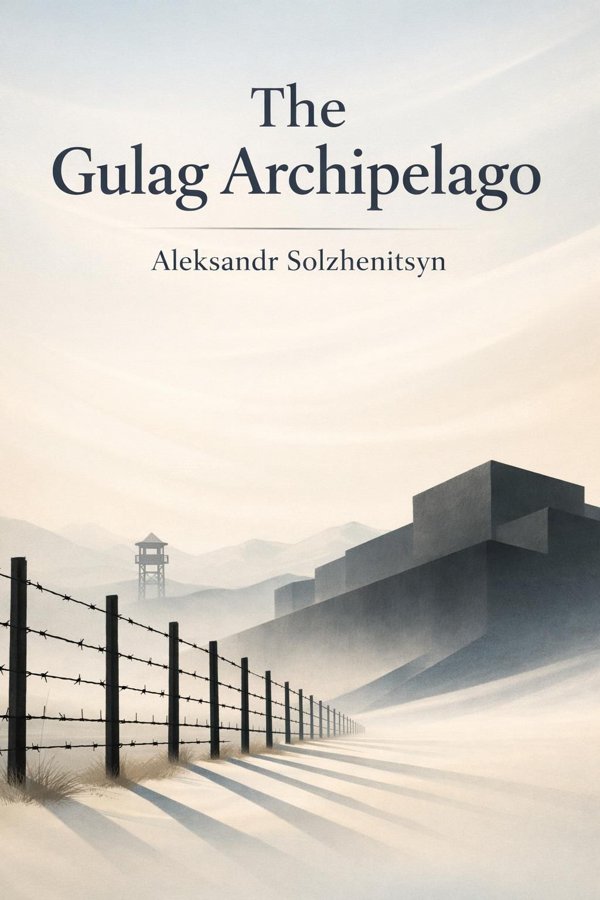
The Gulag Archipelago
by Aleksandr Solzhenitsyn
The Gulag Archipelago is a monumental work of historical and literary significance that exposes the Soviet Union’s forced labor camp system. Drawing on his own experiences as a prisoner and the testimonies of hundreds of others, Solzhenitsyn meticulously documents the mechanisms of repression, the suffering of millions, and the moral and spiritual consequences of totalitarianism. First published in the West in 1973, the book remains one of the most influential indictments of political tyranny in the twentieth century.
Key Takeaways
- 1Arrest — The story of the Archipelago begins at the moment of arrest—the moment when an ordinary citizen, walking home from work …
- 2The Interrogation — Interrogation was the next station in our voyage through the Archipelago. Here, justice became theater, and its purpose …
- 3The Journey to the Archipelago
 10 min read
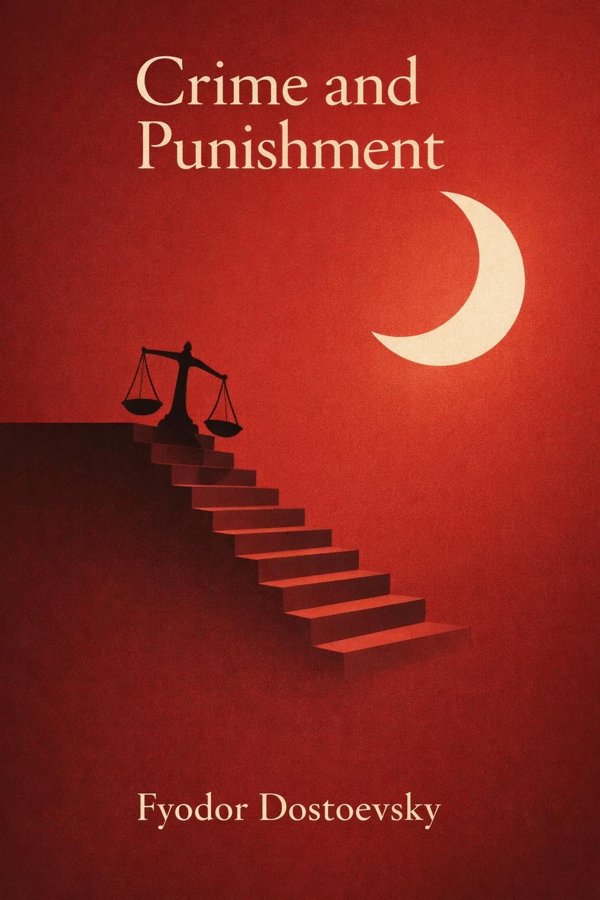
Crime and Punishment
by Fyodor Dostoevsky
Crime and Punishment is one of the most penetrating novels ever written about guilt, morality, and the hidden motives that drive human behavior. Set in the oppressive heat and poverty of St. Petersburg, the story follows Rodion Raskolnikov, a former student who convinces himself that extraordinary people may step beyond ordinary moral laws. Acting on this idea, he commits a brutal crime and then discovers that intellectual justification offers no protection against conscience, fear, and spiritual collapse. What begins as a murder story becomes a profound psychological investigation into suffering, pride, alienation, and the possibility of redemption. Fyodor Dostoevsky matters because few writers have understood the contradictions of the human soul so deeply. Drawing on his own experiences with poverty, imprisonment, political persecution, and religious struggle, he created a novel that still feels startlingly modern. Crime and Punishment remains essential not only as a literary classic, but as a timeless study of how people rationalize wrongdoing, how guilt reshapes identity, and how truth can become the first step toward renewal.
Key Takeaways
- 1Ideas Can Become Dangerous Actions — A destructive act often begins long before the act itself, in the quiet acceptance of a dangerous idea. In Crime and Pun…
- 2Guilt Punishes Before Any Court — The most relentless punishment is often internal rather than legal. After the murder, Raskolnikov does not become triump…
- 3Pride Is a Form of Isolation — Pride does not always look like confidence; sometimes it looks like withdrawal, contempt, and a refusal to need anyone. …
 10 min read
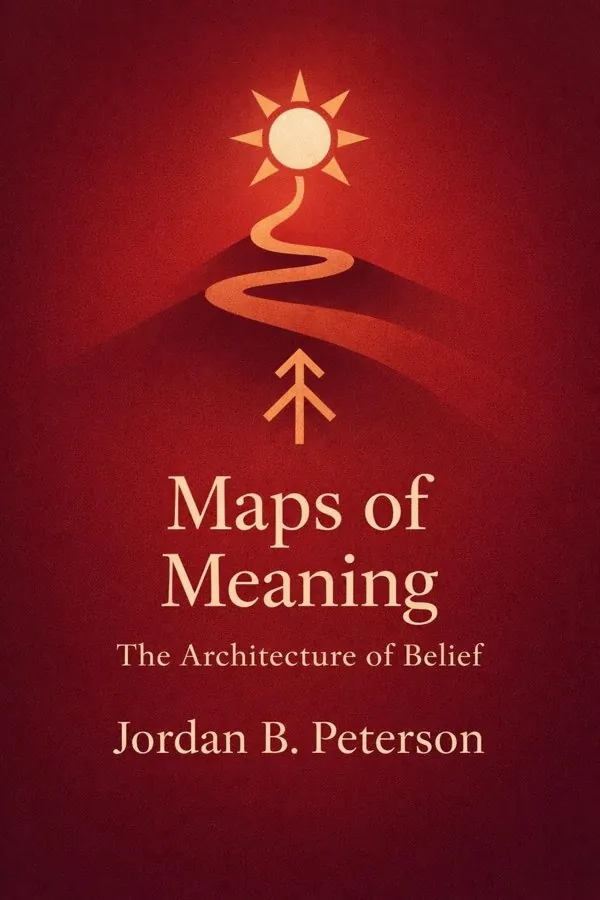
Maps of Meaning
by Jordan Peterson
Maps of Meaning: The Architecture of Belief is a scholarly work by Canadian psychologist Jordan B. Peterson that explores how humans construct meaning, belief systems, and narratives. Drawing from psychology, mythology, religion, and philosophy, Peterson examines the symbolic structures underlying human experience and the ways in which myths and stories shape moral understanding and behavior.
Key Takeaways
- 1The World as a Forum for Action — We do not perceive the objective world; we perceive a field of possibilities for action. This is a radical proposition, …
- 2Mythological Representations of Order and Chaos — Across cultures, myths represent two fundamental domains: order and chaos. Order is the domain of the known—structured, …
- 3The Great Father and the Great Mother
 10 min read
The Road to Wigan Pier
by George Orwell
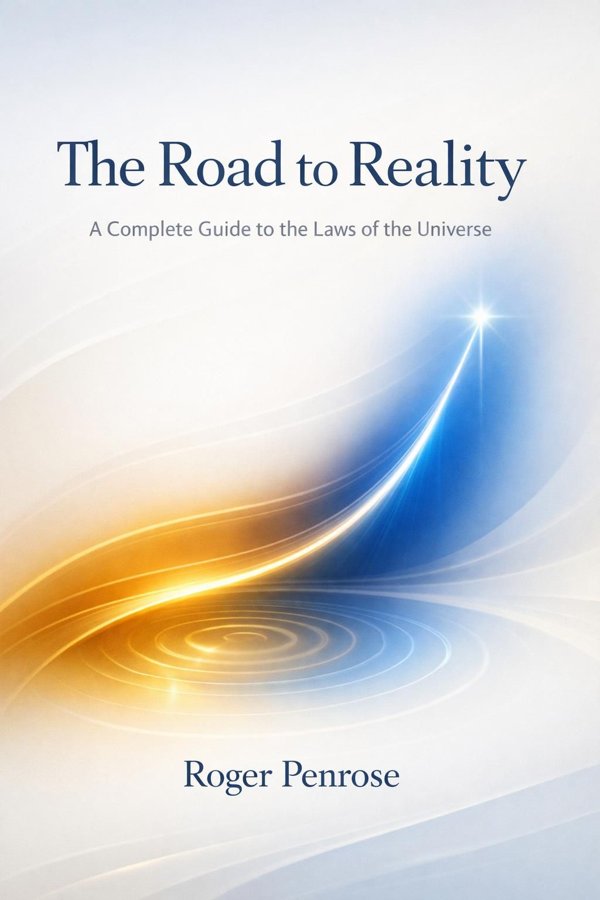
The Road to Reality is a comprehensive exploration of the physical universe, written by mathematical physicist Roger Penrose. It provides a deep and rigorous journey through the fundamental laws of physics, from classical mechanics and relativity to quantum theory and cosmology. Penrose aims to present the mathematical foundations underlying the physical world, offering readers both conceptual clarity and technical insight into the nature of reality.
Key Takeaways
- 1Mathematical Foundations — Before one can address the physical laws that shape our universe, one must first grasp the mathematical language in whic…
- 2Classical Physics — Once mathematics gives us our instruments of thought, we move into the domain of classical physics—the physics of motion…
- 3Relativity
 10 min read
Ordinary Men
by Christopher Browning
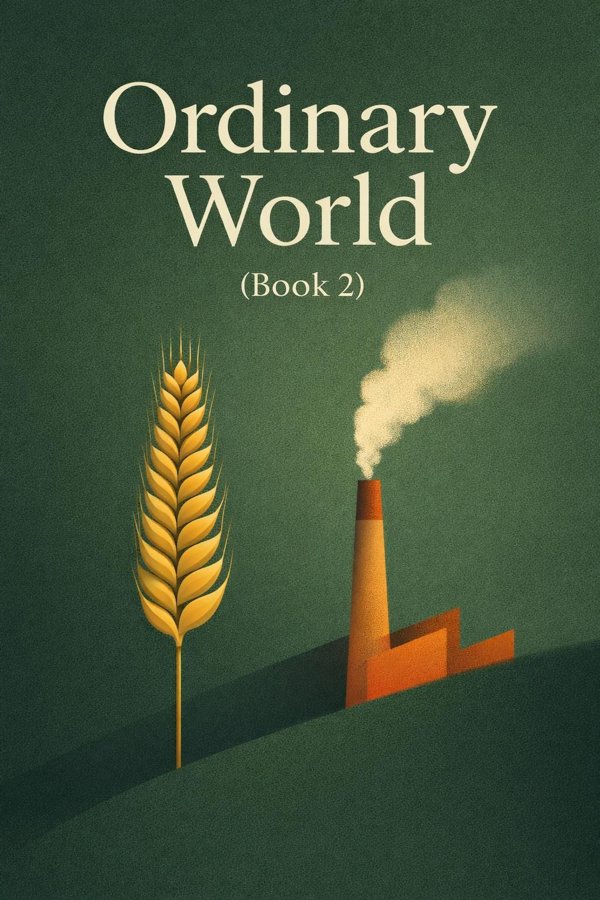
Ordinary World is a monumental novel by Chinese author Lu Yao, divided into three volumes. The second volume continues the story of brothers Sun Shaoan and Sun Shaoping as they navigate the early years of China's economic reforms. Through their struggles and aspirations, the novel vividly portrays the transformation of rural and urban life, exploring themes of labor, love, ideals, and the pursuit of dignity and happiness among ordinary people.
Key Takeaways
- 1Sun Shaoan’s Struggle: The Brickmaker and His Dreams — In the early 1980s, China’s countryside was awakening, stirred by the first breezes of rural reform. For Sun Shaoan, ref…
- 2Sun Shaoping in the Depths: The Labor of Faith — While Shaoan battles the challenges of commerce above ground, his younger brother Shaoping descends into the belly of th…
- 3Between Generations: Love, Loss, and Responsibility
 10 min read
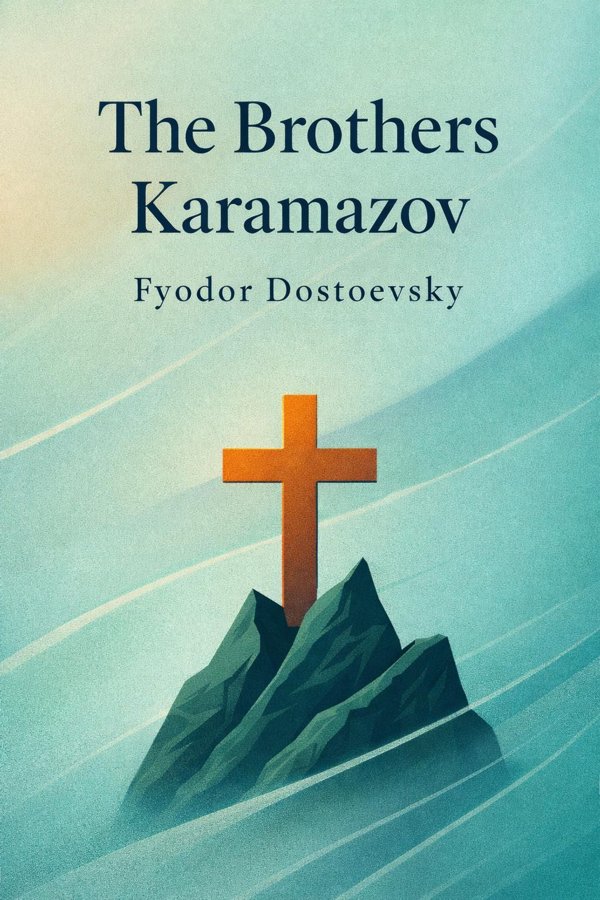
The Brothers Karamazov
by Fyodor Dostoevsky
Few novels ask larger questions than The Brothers Karamazov. On its surface, Fyodor Dostoevsky’s final masterpiece is a family drama: a violent, greedy father is hated by his sons, rivalries intensify, and a murder shatters what little order remains. But beneath that gripping plot lies one of literature’s deepest explorations of faith, doubt, justice, guilt, freedom, morality, and the possibility of redemption. Through the contrasting personalities of Dmitri, Ivan, and Alyosha Karamazov, Dostoevsky turns one broken family into a portrait of the human soul itself. First published in 1880, the novel remains astonishingly modern because it confronts questions that still unsettle us: If God is absent, what guides our choices? Can reason alone sustain morality? Why do innocent people suffer? Are we responsible only for our own actions, or also for the pain we ignore in others? Dostoevsky writes with unusual authority because his own life was marked by political persecution, exile, poverty, illness, and profound spiritual struggle. The result is not merely a great Russian novel, but a timeless investigation into what it means to be human when love, desire, intellect, and conscience pull in different directions.
Key Takeaways
- 1A Family as a Moral Battlefield — Sometimes a family reveals more about human nature than any philosophy textbook. In The Brothers Karamazov, Dostoevsky b…
- 2Freedom Without Morality Becomes Chaos — Human beings often demand freedom, but Dostoevsky asks a harder question: freedom for what? One of the central tensions …
- 3Suffering Challenges Faith and Reason — It is easy to discuss morality in the abstract; it is much harder to defend meaning in the face of innocent suffering. O…
Want the full summary?
Get instant access to this book summary and 500K+ more with Fizz Moment.
Get Free SummaryAvailable on App Store • Free to download
About This List
Clinical psychologist and bestselling author Jordan Peterson's reading list draws from mythology, philosophy, psychology, and history. These books explore meaning, responsibility, and the foundations of Western thought.
This list features 10 carefully selected books. With FizzRead, you can read AI-powered summaries of each book in just 15 minutes. Get the key takeaways and start applying the insights immediately.
Ready to start reading?
Get instant access to all 10 book summaries and 500K+ more with FizzRead.