
Best Motivational Books of All Time - 15 Must-Read Books | FizzRead
Discover Curated List's top book recommendations with AI-powered summaries.

 10 min read
Atomic Habits
by James Clear
What if the quality of your life depends less on dramatic breakthroughs and more on the tiny actions you repeat every day? In Atomic Habits, James Clear argues that lasting transformation does not come from radical reinvention, but from small, consistent improvements that compound over time. The book explains how habits shape identity, influence performance, and quietly determine whether we move toward the future we want or drift away from it. Rather than relying on motivation alone, Clear shows how to design systems that make good behaviors easier and bad behaviors harder. The book matters because most people fail to change not because they lack ambition, but because they use strategies that fight human nature. Clear combines insights from psychology, neuroscience, behavioral economics, and real-world examples from sports, business, and personal development to create a practical framework anyone can apply. As a writer and speaker known for his work on habit formation and continuous improvement, he has helped millions of readers rethink productivity and self-discipline. Atomic Habits stands out because it turns behavior change into something concrete, manageable, and deeply empowering.
Key Takeaways
- 1Tiny changes create remarkable results — We tend to overestimate the importance of one big moment and underestimate the power of small daily improvements. One wo…
- 2Focus on systems, not goals — Goals set direction, but systems determine progress. That distinction changes everything. Most people think achievement …
- 3Identity drives lasting behavior change — The most durable habits are not built by forcing yourself to act differently for a few days. They are built by becoming …
 10 min read
Can't Hurt Me
by David Goggins
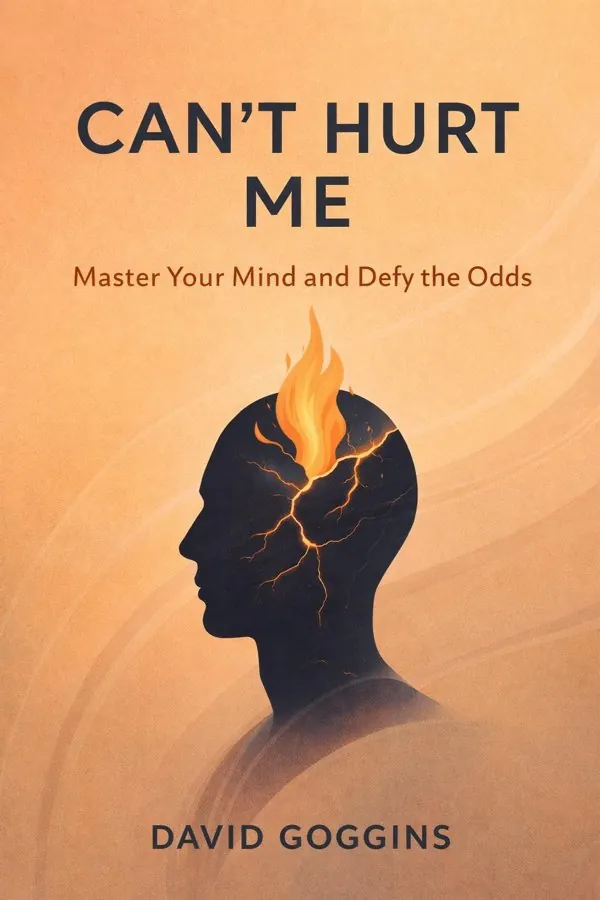
What if the life you’ve been given—your trauma, your failures, your fear, your self-doubt—could become the raw material for an extraordinary transformation? That’s the question at the heart of Can't Hurt Me, David Goggins’s intensely personal memoir and mindset manual. More than a story about military achievement or athletic endurance, this book is a challenge to anyone who has ever felt stuck, broken, or limited by their past. Goggins takes readers through a life marked by abuse, racism, poverty, obesity, and hopelessness, then shows how he rebuilt himself through radical accountability, discipline, and a willingness to embrace discomfort. What makes this book matter is its refusal to offer easy inspiration. Goggins doesn’t sell positive thinking or quick fixes. Instead, he argues that growth begins when we stop negotiating with ourselves and start confronting the truths we’d rather avoid. As a retired U.S. Navy SEAL, ultramarathon runner, triathlete, and motivational speaker, he writes from lived experience, not theory. Can't Hurt Me resonates because it turns resilience into a practice. It’s a wake-up call for readers who want more than motivation—they want proof that the mind, when trained, can push far beyond what most people believe is possible.
Key Takeaways
- 1Early Life and Childhood Shaped by Adversity — Goggins’s early life is the emotional bedrock of Can't Hurt Me. He grew up in an abusive home where violence, fear, and …
- 2Struggles with Obesity and Hopelessness — After escaping his father’s house, Goggins did not immediately step into freedom or confidence. Instead, he entered a di…
- 3Turning Point: The Decision to Change — The real turning point in Can't Hurt Me is not a medal, a race, or military success—it is the moment Goggins decides he …
 10 min read
The 7 Habits of Highly Effective People
by Stephen Covey
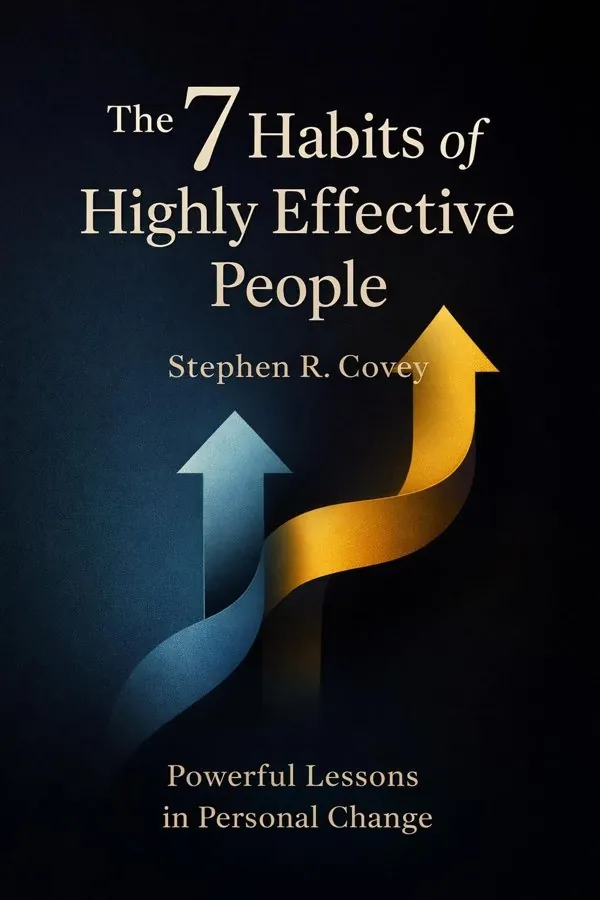
What if lasting success has less to do with hustle, hacks, and charisma—and more to do with character? That’s the enduring promise of *The 7 Habits of Highly Effective People*, one of the most influential productivity and personal development books ever written. Rather than offering quick fixes, Stephen R. Covey presents a principle-centered framework for becoming the kind of person who can create meaningful results over the long term. His argument is simple but powerful: effectiveness begins on the inside, with how you think, choose, prioritize, and relate to others. This book matters because it speaks to challenges that never go out of date: feeling busy but misaligned, struggling with relationships, reacting emotionally under pressure, or achieving outward success without inner fulfillment. Covey shows that real progress comes from timeless habits grounded in integrity, responsibility, and mutual respect. As an educator, leadership thinker, and co-founder of FranklinCovey, Covey built his reputation on helping individuals and organizations improve performance through principle-based action. The result is a practical guide that remains deeply relevant for anyone who wants to lead themselves better, work more intentionally, and build stronger personal and professional relationships.
Key Takeaways
- 1Habit 1: Be Proactive — Owning the Freedom to Choose — Covey’s first habit is the foundation for everything that follows: effective people do not surrender their behavior to m…
- 2Habit 2: Begin with the End in Mind — Seeing the Present Through the Goal — The second habit asks a deceptively simple question: what are you really building your life around? Covey argues that ma…
- 3Habit 3: Put First Things First — The Art of Self-Management — If Habit 2 is about deciding what matters, Habit 3 is about making time for it in the real world. Covey frames this as s…
 10 min read
Mindset
by Carol Dweck
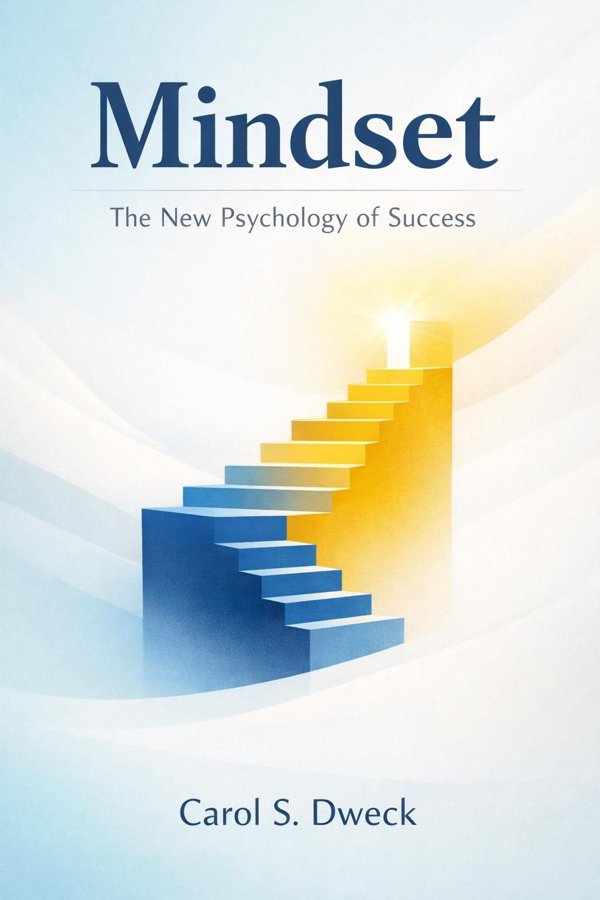
Why do some people bounce back from failure, while others shut down after one setback? Why do certain students, athletes, and professionals keep improving long after their early talent stops carrying them? In Mindset, psychologist Carol S. Dweck offers a powerful answer: the stories we tell ourselves about ability shape nearly everything we do. At the center of the book is a simple but life-changing distinction between a fixed mindset—the belief that intelligence, talent, and character are largely set—and a growth mindset, the belief that these qualities can be developed through effort, strategy, and feedback. That idea sounds straightforward, but its implications are profound. It affects how we handle criticism, how we parent, how we teach, how we lead, and even how we love. Drawing on decades of research in motivation and personality, Dweck shows that success is not just about natural gifts. It is also about how people interpret challenge, effort, and failure. This book matters because it replaces the myth of effortless genius with a more hopeful, practical truth: people can change, improve, and become more capable over time.
Key Takeaways
- 1The Nature of Mindset: Fixed versus Growth — From childhood onward, people absorb beliefs about what ability means. A child who hears “You’re so smart” may start to …
- 2Inside the Fixed Mindset: The Need to Prove — The fixed mindset often hides behind ambition. On the surface, it can look like confidence, high standards, or competiti…
- 3Discovering the Growth Mindset: The Power to Develop — The growth mindset is not blind optimism or the idea that anyone can become anything overnight. It is a practical belief…
 10 min read
Man's Search for Meaning
by Viktor Frankl
What keeps a person going when everything familiar has been taken away—comfort, identity, loved ones, freedom, and even the expectation of tomorrow? That is the unbearable and essential question at the heart of *Man's Search for Meaning*. Viktor E. Frankl’s landmark book is far more than a Holocaust memoir. It is a profound study of human endurance, an examination of suffering, and a practical philosophy for anyone trying to live with purpose in hard times. Drawing on his experiences in Nazi concentration camps, Frankl explores how people respond when life is reduced to its barest terms and why some still manage to preserve dignity, hope, and inner freedom. What makes this book endure is that Frankl does not offer empty inspiration. He writes as an Austrian neurologist, psychiatrist, and Holocaust survivor who later developed logotherapy, a school of psychotherapy centered on meaning as the primary human motivation. His insight is simple but life-changing: even when we cannot change our circumstances, we can still choose our response. That idea has made this book one of the most influential works in psychology and self-help, especially for readers facing grief, burnout, uncertainty, or the quiet fear that life has lost direction.
Key Takeaways
- 1The Shock of Arrival and the Dehumanization of Camp Life — When Frankl first arrived at Auschwitz, the destruction of the self began immediately. The process was systematic: priso…
- 2Emotional Detachment and the Apathy that Defines Survival — After the first shock came a second psychological stage: apathy. Frankl shows that this numbness was not indifference in…
- 3Moral Choice and Inner Freedom in the Midst of Suffering — One of the book’s most powerful claims is that even under extreme oppression, a human being retains a final freedom: the…
 10 min read
Grit
by Angela Duckworth
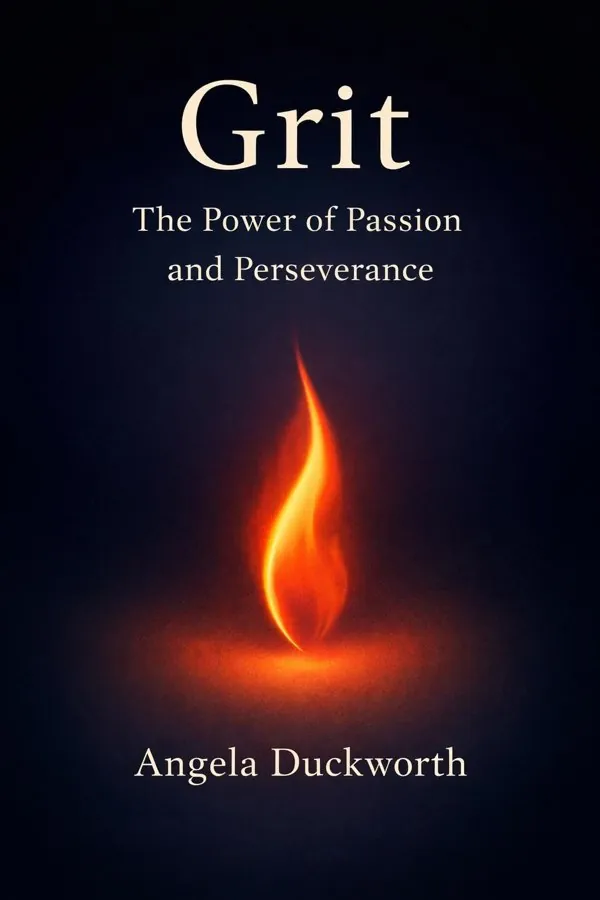
Why do some people keep going when progress is slow, failure is embarrassing, and success may take years, while others with equal or greater talent lose momentum? In Grit, psychologist Angela Duckworth offers a powerful answer: what matters most is not raw ability alone, but a rare combination of sustained passion and persistent effort. She calls this quality grit, and her central claim is both challenging and hopeful. Challenging, because it means success usually demands more patience and discipline than we like to admit. Hopeful, because grit is not reserved for a gifted few. Duckworth brings unusual credibility to the topic. A professor at the University of Pennsylvania, founder of Character Lab, and MacArthur Fellow, she has spent years studying why some people thrive in demanding environments. Drawing from research on students, athletes, cadets, teachers, and professionals, she shows that long-term achievement often comes from sticking with meaningful goals long after the initial excitement fades. For anyone pursuing mastery, raising resilient kids, leading a team, or simply trying not to quit too soon, Grit matters because it reframes success. It shifts the conversation from “How talented are you?” to “How committed are you to becoming better over time?”
Key Takeaways
- 1Chapter One: Defining Grit — The Twin Engines of Passion and Perseverance — Duckworth defines grit as the combination of passion and perseverance directed toward long-term goals. That distinction …
- 2Chapter Two: The Science Behind It — Why Grit Predicts Success — One of Duckworth’s most compelling contributions is showing that grit can predict long-term success better than many tra…
- 3Chapter Three: The Talent Trap — Why Effort Beats Natural Advantage — Duckworth challenges one of the most popular myths about achievement: that the naturally talented are destined to win. T…
 10 min read
The Power of Now
by Eckhart Tolle
What if most of your stress, fear, and dissatisfaction came not from what is happening in your life, but from your inability to stay rooted in the present moment? That is the life-changing promise at the center of *The Power of Now*. In this widely read self-help classic, Eckhart Tolle argues that peace, clarity, and emotional freedom become possible when we stop identifying so completely with the restless voice in our head and begin inhabiting the present more fully. Rather than offering productivity tricks or surface-level positivity, the book addresses a deeper problem: the way compulsive thinking pulls us into regret about the past and anxiety about the future. What makes this book matter is its simplicity. Tolle’s message is direct but profound: the present moment is not just a slice of time; it is the only place where life actually happens. By learning to observe thoughts instead of being ruled by them, readers can reduce suffering, improve relationships, and experience a more grounded sense of self. Tolle is best known for his spiritual teachings on presence and inner transformation, and *The Power of Now* remains his signature work for readers seeking calm, awareness, and practical spiritual insight.
Key Takeaways
- 1Understanding Thought — At the heart of *The Power of Now* is a radical shift in how we relate to thinking. Tolle does not say thoughts are bad;…
- 2The Nature of Insight — In Tolle’s framework, true insight does not come from thinking harder and harder. It arises when the mind becomes quiet …
- 3Overcoming Anxiety and Fear — Tolle sees anxiety and fear as powerful consequences of living psychologically in the future. When the mind continually …
 10 min read
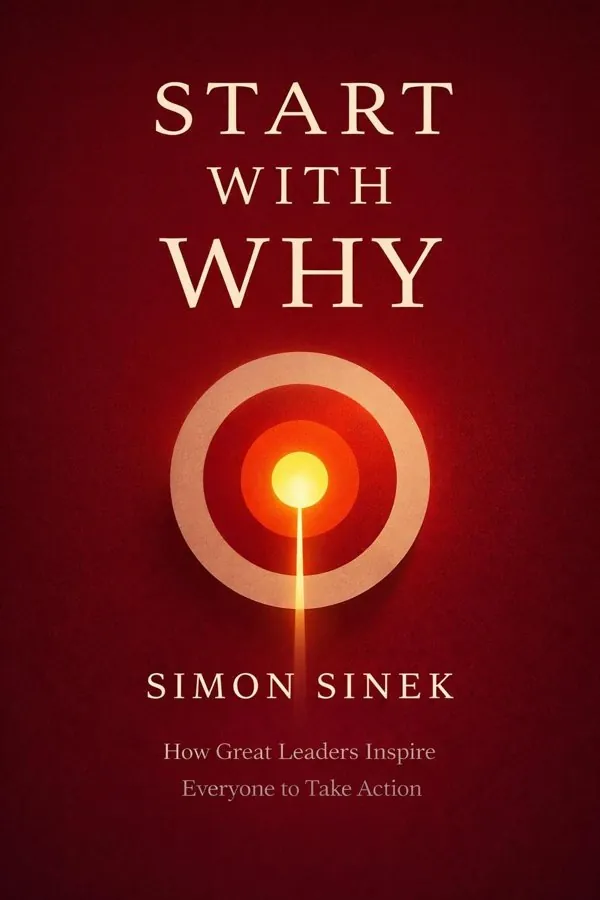
Start With Why
by Simon Sinek
Start With Why explores how leaders and organizations can inspire cooperation, trust, and change by focusing on the purpose behind their actions. Simon Sinek argues that successful individuals and companies communicate from the inside out—starting with 'why'—to connect deeply with others and drive lasting success.
Key Takeaways
- 1The Golden Circle: Why, How, and What — Imagine three concentric circles. At the center sits the word ‘WHY’. Surrounding it is ‘HOW’, and wrapping both is ‘WHAT…
- 2Manipulation versus Inspiration — In the marketplace, manipulation is everywhere. Discounts, fear-based messaging, peer pressure, aspirational advertising…
 10 min read
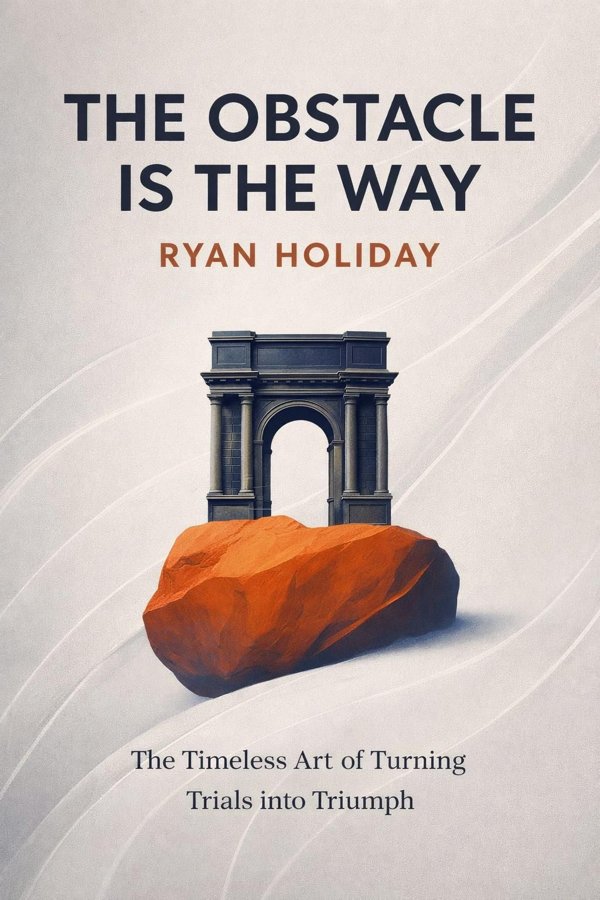
The Obstacle Is the Way: The Timeless Art of Turning Trials into Triumph
by Ryan Holiday
Drawing on the ancient philosophy of Stoicism, Ryan Holiday shows how to turn obstacles into opportunities for growth and success. Through historical examples and practical wisdom, the book teaches readers to embrace challenges, control their perceptions, and act with persistence and discipline to achieve their goals.
Key Takeaways
- 1Perception: Seeing Obstacles Differently — Perception is where everything begins. It’s the lens through which we interpret what happens to us. The Stoics insisted …
- 2Action: Turning Insight Into Movement — Perception changes how you see, but action changes what exists. Once your mind perceives clearly, you must move. The obs…
- 3Will: Building Inner Strength to Endure
10 min readYou Are a Badass
by Jen Sincero
In this refreshingly entertaining how-to guide, bestselling author and success coach Jen Sincero serves up 27 bite-sized chapters full of hilariously inspiring stories, sage advice, easy exercises, and the occasional swear word, helping readers identify and change self-sabotaging beliefs and behaviors that stop them from getting what they want, and create a life they love.
Key Takeaways
- 1Awareness of the Ego — The first big hurdle between you and your badass self is your ego. Think of it as the overprotective but wildly misinfor…
- 2Belief Systems — Our belief systems are the invisible puppeteers of our lives. We inherit them before we even learn our own language—idea…
- 3Energy and the Universe
 10 min read
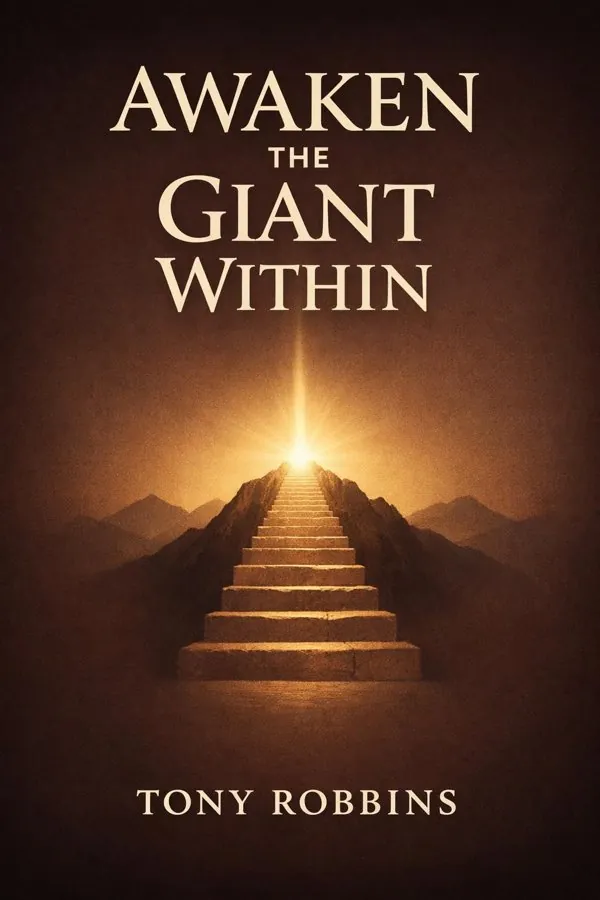
Awaken the Giant Within
by Tony Robbins
This self-help classic by Tony Robbins guides readers to master their emotions, finances, relationships, and life through the power of decision-making and personal transformation. Robbins presents strategies for changing limiting beliefs, setting empowering goals, and creating lasting change by awakening the inner potential within every individual.
Key Takeaways
- 1The Power of Decision — Every great change in life begins not with wishful thinking but with a single, powerful decision. When I speak of decisi…
- 2Belief Systems — Beliefs are the filters through which we interpret experience. They determine what we consider possible, how much effort…
- 3Emotional Mastery
 10 min read
Think Like a Monk
by Jay Shetty
Think Python es un libro introductorio sobre programación en Python que enseña los fundamentos de la informática y el pensamiento computacional. El texto guía al lector desde conceptos básicos como variables y funciones hasta temas más avanzados como recursión, estructuras de datos y programación orientada a objetos. Su enfoque pedagógico enfatiza la claridad y la práctica, ayudando a los principiantes a desarrollar habilidades de resolución de problemas mediante ejemplos y ejercicios.
Key Takeaways
- 1Understanding Programming and Thinking Like a Computer Scientist — Let’s begin by clarifying what it means to ‘think like a computer scientist.’ Many people approach programming as if it …
- 2Variables, Expressions, and Statements — Once you begin to think with this clarity, you need a language to express it. Python gives you that language through var…
- 3Functions, Parameters, and Return Values
 10 min read
The Magic of Thinking Big
by David J. Schwartz
First published in 1959, this classic self-help book by David J. Schwartz encourages readers to set high goals and cultivate a mindset of confidence and ambition. It provides practical strategies for overcoming fear, building self-belief, and achieving success in personal and professional life through the power of positive thinking and action.
Key Takeaways
- 1Believe You Can Succeed and You Will — Every achievement begins in the mind. I’ve seen countless people fail not because they lacked ability, but because they …
- 2Cure Yourself of Excusitis — One of the greatest obstacles to achievement is what I call *excusitis*—the chronic habit of making excuses. People expl…
- 3Build Confidence and Destroy Fear
 10 min read
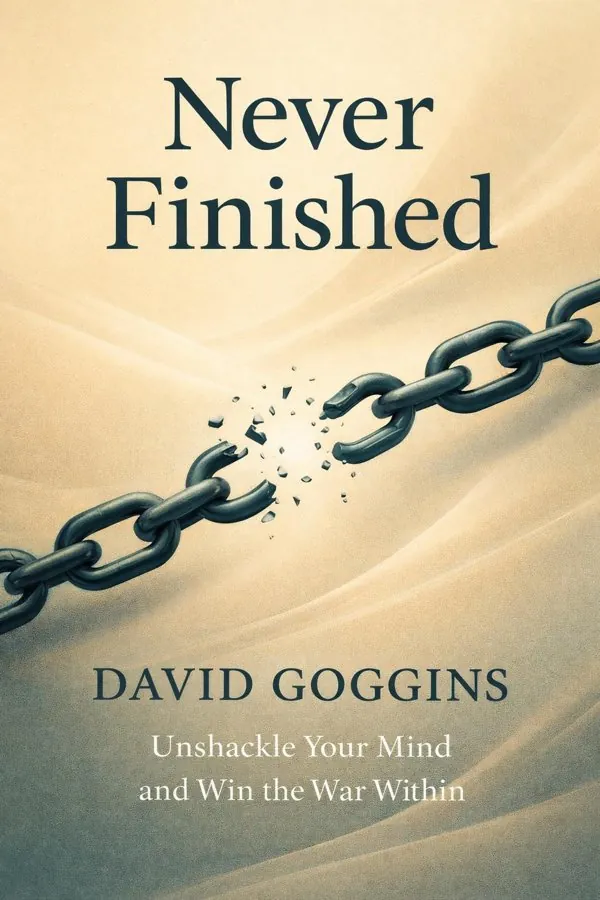
Never Finished
by David Goggins
In 'Never Finished', David Goggins shares the next chapter of his journey beyond the limits of endurance and mental toughness. Building on the lessons from his first book, he reveals how to overcome complacency, self-doubt, and fear to achieve lasting growth. Through personal stories, practical strategies, and raw honesty, Goggins challenges readers to confront their inner barriers and push beyond what they thought possible.
Key Takeaways
- 1Reflection on Past Achievements — After the release of *Can’t Hurt Me*, something unexpected started happening. People would stop me on the street, thank …
- 2The Struggle with Identity and Purpose — The darker side of success is that it splits your identity. The public sees one version—a symbol of toughness, the SEAL-…
- 3Rebuilding Discipline
Want the full summary?
Get instant access to this book summary and 500K+ more with Fizz Moment.
Get Free SummaryAvailable on App Store • Free to download
About This List
Discover Curated List's top book recommendations with AI-powered summaries.
This list features 14 carefully selected books. With FizzRead, you can read AI-powered summaries of each book in just 15 minutes. Get the key takeaways and start applying the insights immediately.
Ready to start reading?
Get instant access to all 14 book summaries and 500K+ more with FizzRead.