
Best Health & Wellness Books for a Better Life
Your health is your greatest asset. These books combine cutting-edge science with practical advice on nutrition, exercise, sleep, and longevity.
 10 min read
Fast Like a Girl
by Dr. Mindy Pelz
What if the reason fasting has felt frustrating, exhausting, or simply unsustainable for so many women is not a lack of discipline—but bad advice? That is the central promise of Fast Like a Girl, a practical health guide that argues women need a different approach to fasting than men. Instead of promoting one rigid protocol for everyone, Dr. Mindy Pelz explains how fasting can become a tool for hormone balance, better energy, improved metabolic health, and sustainable fat loss when it is matched to the natural rhythms of the female body. This book matters because it addresses a gap many women have experienced firsthand: mainstream fasting advice often ignores menstrual cycles, shifting hormone levels, stress load, and life stage. Dr. Pelz, a holistic health expert and educator known for making complex wellness science easy to understand, offers a framework that helps women work with their biology rather than against it. The result is a more flexible, compassionate, and effective way to think about food timing. Whether you are curious about intermittent fasting, struggling with stubborn weight, or looking for a smarter way to support hormones and energy, Fast Like a Girl offers an accessible roadmap tailored to women’s real lives.
Key Takeaways
- 1Understanding Hormones — The foundation of Fast Like a Girl is simple: women’s hormones shape how the body responds to fasting, so any effective …
- 2The Science of Fasting — Pelz frames fasting as more than a weight-loss tactic. In her view, fasting activates built-in repair systems that moder…
- 3Common Myths About Fasting — One of the most useful parts of Fast Like a Girl is its effort to clear away common misunderstandings that stop women fr…
 10 min read
Good Energy
by Casey Means
What if many of the confident claims you hear about the future of energy are far less certain than they sound? *Good Energy* tackles that uncomfortable question head-on. Rather than offering a simplistic story of instant clean-energy transformation or a nostalgic defense of the status quo, this book asks readers to look at energy the way engineers, historians, and systems thinkers do: in terms of scale, density, infrastructure, time, and trade-offs. That shift matters because energy is not a side issue. It sits underneath modern life—our food supply, transportation, housing, healthcare, manufacturing, and digital economy all depend on reliable flows of usable power. When public debate ignores that reality, bad policy and unrealistic expectations quickly follow. Drawing on the analytical approach associated with Vaclav Smil, a Czech-Canadian scientist and policy analyst known for his interdisciplinary work on energy, environment, food production, and technological change, the book replaces slogans with evidence. It shows why energy transitions are historically slow, why fossil fuels remain stubbornly embedded in modern systems, and why optimism must be balanced by physical reality. For readers who want a clearer, smarter view of sustainability, this is an essential corrective.
Key Takeaways
- 1Defining Energy and Its Role — The book begins by clearing up a basic but crucial confusion: energy, power, and efficiency are not interchangeable term…
- 2Historical Energy Transitions — One of the book’s strongest lessons is that energy transitions are never just about inventing a better fuel. They are ab…
- 3Myth of Rapid Energy Transformation — A central argument in the book is that the popular vision of a swift, frictionless energy revolution is more myth than p…
 10 min read
Why We Sleep
by Matthew Walker
What if the most powerful performance enhancer, mood stabilizer, memory booster, and long-term health intervention isn’t a supplement, a productivity hack, or a complicated wellness routine—but sleep? In *Why We Sleep*, neuroscientist Matthew Walker makes a compelling case that sleep is not a passive state of rest. It is one of the most active, essential, and life-preserving processes in the human body. Far from being wasted time, sleep is when the brain organizes memories, the body repairs itself, emotions are regulated, and countless biological systems reset for the next day. Walker brings both scientific authority and urgency to the topic. As a professor of neuroscience and psychology at the University of California, Berkeley, and founder and director of the Center for Human Sleep Science, he has spent years studying how sleep shapes human health and performance. His central message is both simple and profound: the modern tendency to cut sleep short comes at a steep cost. This book matters because it connects sleep to nearly everything readers care about—focus, energy, mental health, disease prevention, learning, relationships, and longevity—and offers a persuasive reminder that better sleep can change your life.
Key Takeaways
- 1The Evolution and Purpose of Sleep — Sleep is not a strange quirk of biology—it is one of its oldest and most carefully protected features. Walker emphasizes…
- 2Stages and Architecture of Sleep — Walker shows that sleep is not one uniform state but a precisely organized process made up of repeating cycles. Over the…
- 3Sleep and the Brain — One of Walker’s strongest arguments is that sleep is essential for a healthy, high-performing brain. During the day, the…
 10 min read
How Not to Die
by Michael Greger
What if the biggest threats to your life weren’t random bad luck or inevitable aging, but conditions heavily shaped by what shows up on your plate each day? In *How Not to Die*, Dr. Michael Greger tackles that question head-on by exploring the leading causes of premature death and showing how nutrition can play a powerful role in prevention. Rather than offering trendy wellness advice or quick-fix diet rules, Greger builds his case around research, translating complex findings into practical guidance readers can actually use. The book matters because chronic diseases like heart disease, diabetes, stroke, and certain cancers dominate modern life, yet many people still underestimate how much daily habits influence long-term outcomes. Greger argues that food is not just calories or comfort—it is information for the body, shaping inflammation, blood pressure, cholesterol, gut health, and more. His message is both urgent and hopeful: the same choices that contribute to disease can often be changed. As a physician, author, and founder of NutritionFacts.org, Greger is known for making nutrition science accessible to the public. In this book, he combines medical insight with actionable strategies, giving readers a roadmap for eating in a way that supports both longevity and quality of life.
Key Takeaways
- 1The Role of Nutrition in Disease Prevention — One of the book’s core arguments is that nutrition should not be treated as a side note in healthcare. It is central. Gr…
- 2How Not to Die from Heart Disease — Greger presents heart disease as the clearest example of food’s life-or-death power. Rather than treating clogged arteri…
- 3How Not to Die from Lung Diseases — Greger’s discussion of lung health broadens the conversation beyond smoking and pollution to include the role of diet in…
 10 min read
Breath
by James Nestor
In 'Breath: The New Science of a Lost Art', science journalist James Nestor explores the transformative power of proper breathing. Drawing on ancient practices and modern research, Nestor reveals how changing the way we breathe can improve health, performance, and longevity. Through personal experiments and interviews with experts, he uncovers the physiological and psychological benefits of breathing techniques long forgotten in the modern world.
Key Takeaways
- 1Experiment Setup — When I began working with researchers at Stanford University, we wanted to strip away assumptions and see what truly hap…
- 2Historical Context — In my search to understand how breathing became distorted, I turned back through history. Long before modern medicine, a…
- 3Modern Decline
 10 min read
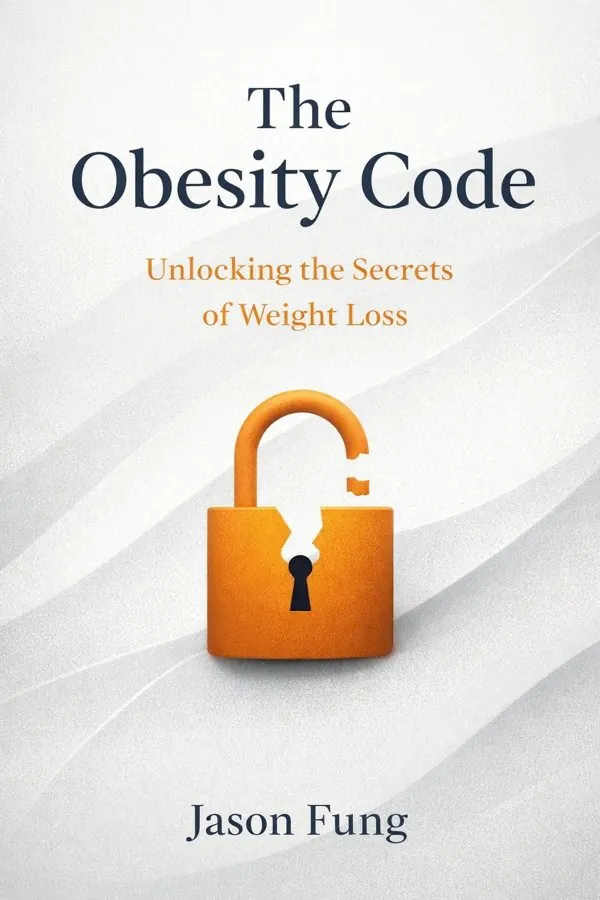
The Obesity Code
by Jason Fung
In this groundbreaking work, Dr. Jason Fung challenges conventional wisdom about obesity and weight gain. He argues that insulin and hormonal imbalances, rather than calorie counting, are the primary drivers of obesity. Drawing on scientific research and clinical experience, Fung explains how intermittent fasting and dietary changes can help regulate insulin levels and promote sustainable weight loss.
Key Takeaways
- 1Historical Overview — The modern obsession with calories dates back to the early twentieth century, when the science of energy balance first b…
- 2The Role of Insulin — Insulin is the fat-storage hormone. Whenever we eat, insulin levels rise, signaling the body to store energy for later. …
- 3Insulin Resistance
 10 min read
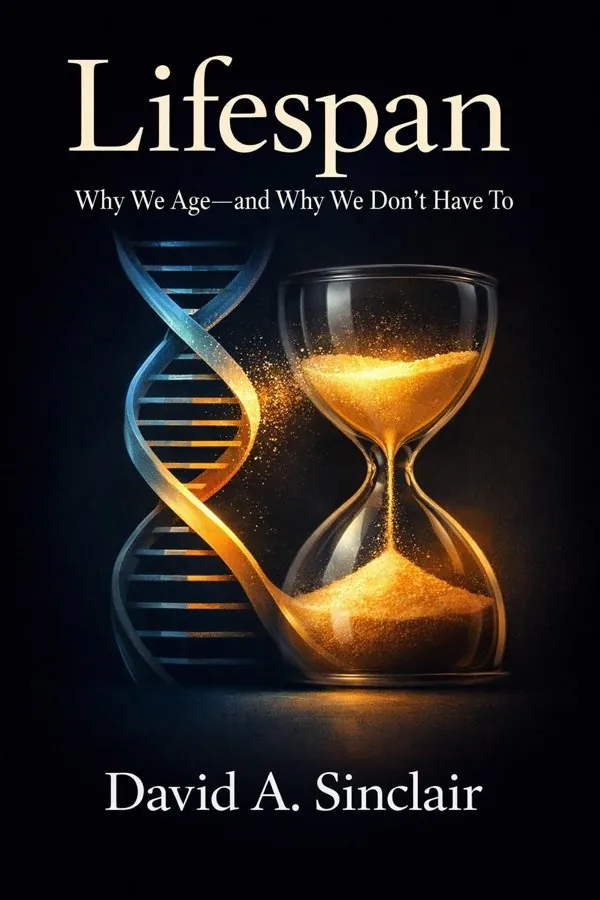
Lifespan
by David Sinclair
In this groundbreaking work, Harvard geneticist David A. Sinclair argues that aging is a disease—and one that can be treated. Drawing on decades of research, Sinclair explains the biological mechanisms of aging and presents scientific advances that may allow humans to extend their healthy lifespan dramatically. The book explores the role of genes, epigenetics, and lifestyle interventions in slowing or even reversing the aging process.
Key Takeaways
- 1The Information Theory of Aging — At the heart of my research is a principle I call the Information Theory of Aging. To understand it, think of your body …
- 2The Role of Sirtuins — Early in my career, I became captivated by a family of genes called sirtuins. These ancient proteins are guardians of ge…
- 3NAD+ and Cellular Energy
 10 min read
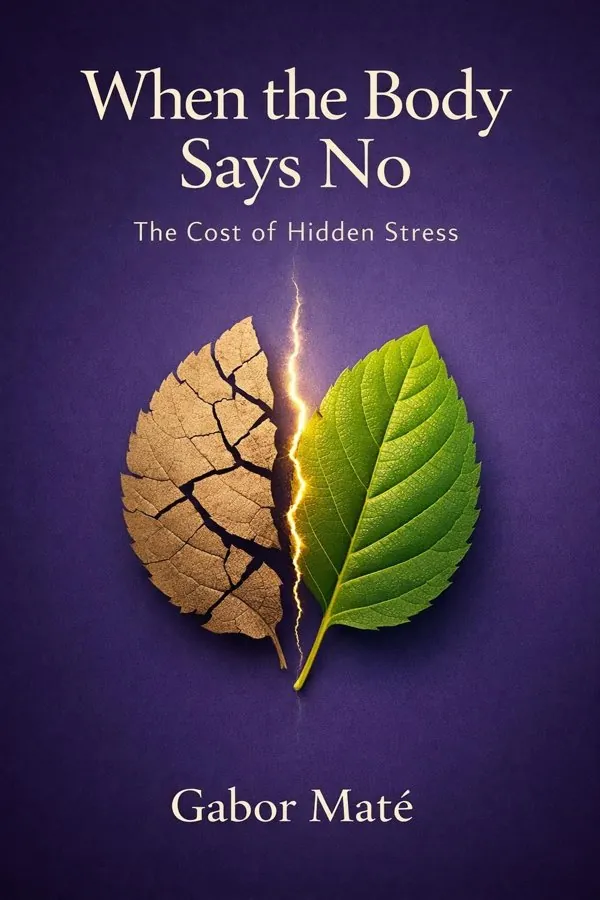
When the Body Says No
by Gabor Maté
In this groundbreaking work, physician Gabor Maté explores the connection between emotional stress and physical illness. Drawing on scientific research and clinical experience, he argues that the body often manifests what the mind represses, linking chronic diseases such as cancer, autoimmune disorders, and heart conditions to emotional suppression and unresolved trauma. The book encourages readers to recognize the importance of emotional awareness and self-compassion in maintaining health.
Key Takeaways
- 1The Physiology of Stress — Stress, as I have come to understand through years of observation and research, is not simply an emotional event; it is …
- 2The Role of Emotions — Emotions are not obstacles to rational living; they are essential guides to survival and authenticity. Yet our culture h…
- 3Case Studies of Illness
 10 min read
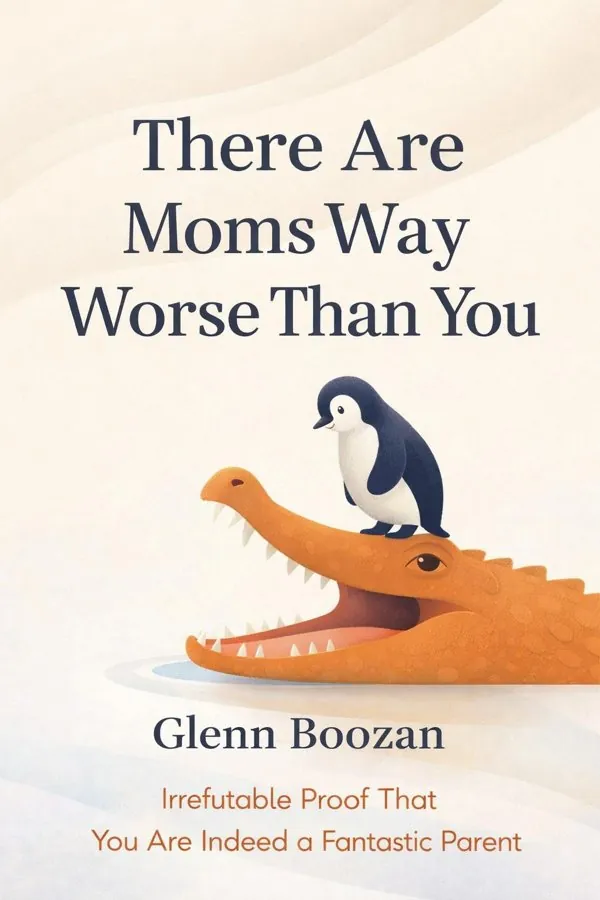
Come As You Are
by Emily Nagoski
A humorous and reassuring picture book that compares human parenting struggles to the far more questionable parenting behaviors found in the animal kingdom. Through witty rhymes and charming illustrations, Glenn Boozan reminds readers that even when they feel inadequate, they are doing far better than many creatures in nature.
Key Takeaways
- 1Comparison 1: Abandonment and Neglect in the Animal Kingdom — When you forget to pack your child’s snack or lose patience halfway through bedtime, it feels like the end of the world.…
- 2Comparison 2: Dangerous or Bizarre Parenting Habits — Have you ever done something that felt like a parenting fail—maybe that time you handed your toddler a chocolate bar bef…
- 3Comparison 3: Extreme Survival Challenges
 10 min read
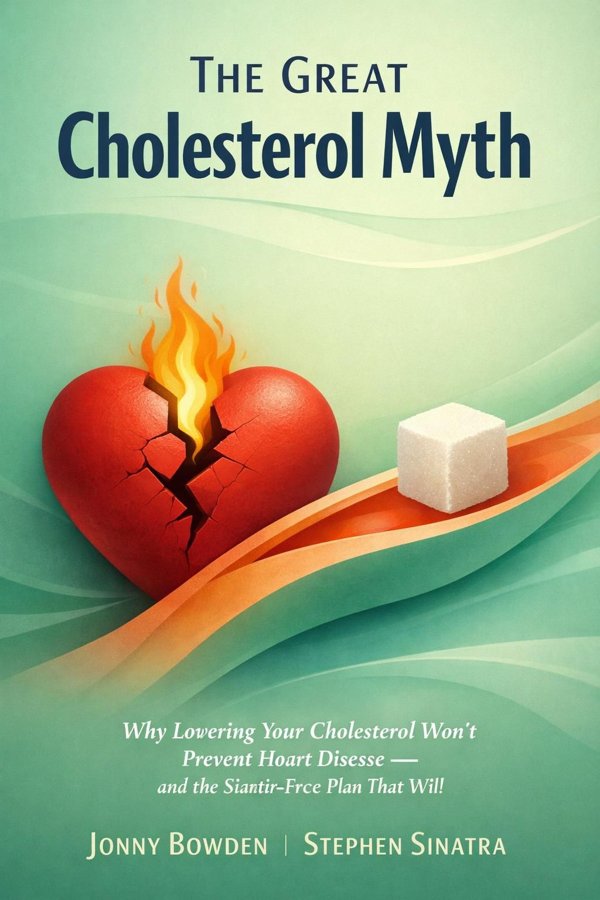
The Great Cholesterol Myth
by Jonny Bowden
This book challenges the conventional wisdom that cholesterol is the primary cause of heart disease. Nutritionist Jonny Bowden and cardiologist Stephen Sinatra argue that inflammation, oxidative stress, and sugar consumption are the real culprits. They present evidence questioning the effectiveness of statin drugs and offer a holistic plan for heart health based on diet, lifestyle, and supplements.
Key Takeaways
- 1Historical Background — To understand how cholesterol became the enemy, we need to revisit the mid-twentieth century—a time when scientific curi…
- 2Critique of the Cholesterol Hypothesis — The heart of our argument lies in debunking the central cholesterol doctrine. When we examine modern large-scale studies…
- 3Discussion of Statin Drugs
 10 min read
Glucose Revolution
by Jessie Inchauspé
This book explains the concept of the glycemic index (GI) and how it affects blood sugar levels, offering practical dietary advice for managing diabetes, weight, and overall health. It presents scientific research in accessible language and provides food tables and meal planning guidance.
Key Takeaways
- 1Understanding Carbohydrates and Blood Glucose — Carbohydrates are the body’s preferred fuel—our major source of energy for the brain and muscles. But to understand why …
- 2Defining and Measuring the Glycemic Index — To make the glycemic index practical and trustworthy, we needed reliable, reproducible science behind it. The method we …
- 3GI in Diabetes Management and Beyond
 10 min read
The New Menopause
by Mary Claire Haver
A comprehensive, science-based guide to understanding and managing menopause, written by Dr. Mary Claire Haver. The book empowers women to take control of their health during midlife by combining medical research, nutrition, and lifestyle strategies to navigate hormonal changes with confidence and vitality.
Key Takeaways
- 1Understanding Hormonal Changes — To begin, you must understand the hormonal foundation that underlies the menopausal transition. Estrogen, progesterone, …
- 2Stages of Menopause — Menopause unfolds in stages, each with its own rhythm and challenges. Perimenopause, which often begins in the forties, …
- 3Hormone Therapy and Evidence-Based Care
 10 min read
30 Ways to Reboot Your Body: A Complete User Manual for Getting the Most Out of the Human Body
by Ben Greenfield
This book by fitness expert Ben Greenfield offers thirty practical strategies to optimize physical performance, improve energy, and enhance overall health. It covers topics such as nutrition, exercise, recovery, and biohacking techniques designed to help readers reboot their bodies and achieve peak vitality.
Key Takeaways
- 1Understanding Why the Body Needs a Reboot — The first step toward transformation is awareness. Modern lifestyles—a mix of processed foods, environmental toxins, con…
- 2Nutrition Optimization: Fueling the Human Engine — If there’s one thing I’ve learned from years of experimenting with diets and working with high-performance athletes, it’…
- 3Detoxification and Cellular Cleansing
 10 min read
A Year of Self-Care: Daily Practices and Inspiration for Caring for Yourself
by Zoe Shaw
A Year of Self-Care offers readers a structured approach to nurturing their mental, emotional, and physical well-being through daily reflections and actionable practices. Written by psychologist Zoe Shaw, the book provides 365 prompts and exercises designed to help readers build resilience, mindfulness, and self-compassion throughout the year.
Key Takeaways
- 1Understanding Self-Care — Self-care begins with an understanding of what it truly means to care for oneself. Its root is self-awareness—an ongoing…
- 2Setting Intentions — A self-care practice without intention can quickly become another list of tasks. Intention is the difference between goi…
- 3Daily Structure
 10 min read
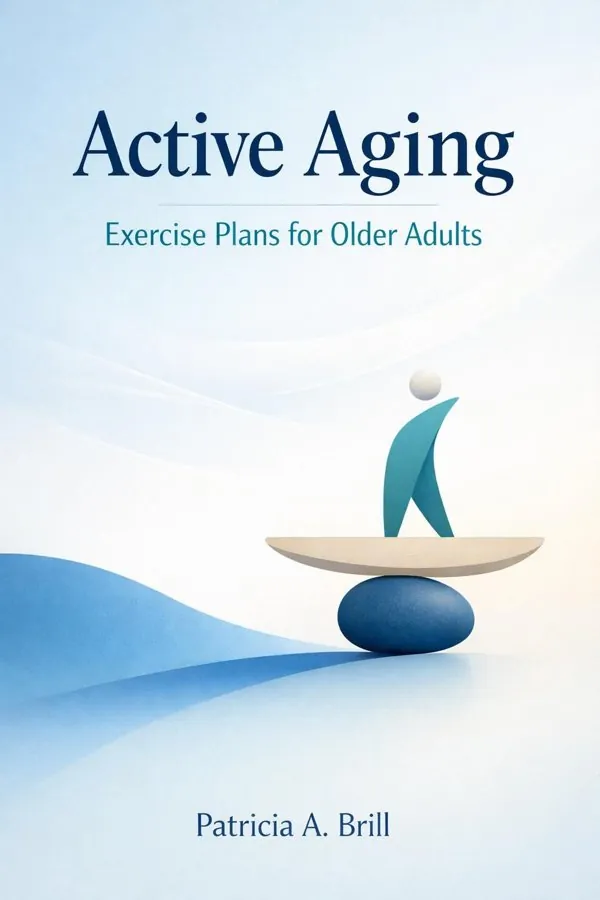
Active Aging: Exercise Plans for Older Adults: Safe Training for Seniors and Aging Populations
by Patricia A. Brill
This book provides evidence-based exercise programs designed to help older adults maintain strength, flexibility, balance, and cardiovascular health. It offers practical guidance for safe training, injury prevention, and adapting workouts to individual needs, promoting independence and quality of life in aging populations.
Key Takeaways
- 1Understanding Active Aging and the Science of Change — Active aging begins with understanding what happens inside the body as we grow older. Physiologically, we experience sar…
- 2Designing Safe, Effective Exercise Programs for Seniors — Safety is the cornerstone of active aging. Every exercise you perform should serve a purpose, challenge you without pain…
- 3Adapting for Chronic Conditions and Sustaining Motivation
Want the full summary?
Get instant access to this book summary and 500K+ more with Fizz Moment.
Get Free SummaryAvailable on App Store • Free to download
About This List
Your health is your greatest asset. These books combine cutting-edge science with practical advice on nutrition, exercise, sleep, and longevity.
This list features 15 carefully selected books. With FizzRead, you can read AI-powered summaries of each book in just 15 minutes. Get the key takeaways and start applying the insights immediately.
Ready to start reading?
Get instant access to all 15 book summaries and 500K+ more with FizzRead.