
Best Fiction Books — Stories That Will Stay with You
Fiction reveals truths that non-fiction cannot. These novels, short stories, and literary works will transport you to other worlds and change how you see your own.
 10 min read
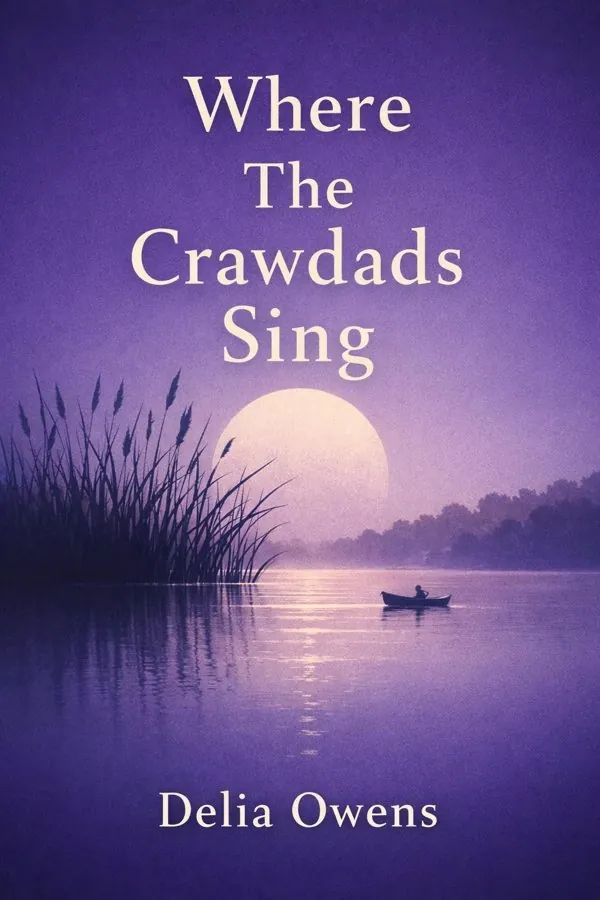
Where the Crawdads Sing
by Delia Owens
What makes a person who they are: the people who raise them, the place that shapes them, or the wounds they learn to survive? Where the Crawdads Sing answers that question through one of modern fiction’s most unforgettable heroines, Kya Clark, a girl abandoned by nearly everyone except the wild marsh she calls home. First published in 2018, Delia Owens’s bestselling novel blends coming-of-age drama, love story, courtroom suspense, and murder mystery into a deeply atmospheric reading experience. But what gives the book its lasting emotional power is its portrait of loneliness, prejudice, and the human need to belong. Set against the coastal wetlands of North Carolina, the novel asks readers to look beyond labels like “Marsh Girl” and see the full humanity of someone society has dismissed. Owens, an American author and zoologist, brings extraordinary sensory detail to the natural world, making the marsh feel as alive and important as any character in the story. That scientific eye, paired with an intimate emotional lens, gives the novel its signature strength. If you’re drawn to stories about resilience, nature, heartbreak, and hidden truths, this book offers all of that—and more.
Key Takeaways
- 1Kya’s Early Life and Family Abandonment — Kya Clark’s childhood is shaped by repeated abandonment, and the novel makes clear that this isn’t a single traumatic ev…
- 2Learning, Love, and the Pain of Absence — Tate Walker changes Kya’s life because he offers something no one else has consistently given her: patient recognition. …
- 3Chase Andrews and the Collision of Two Worlds — Chase Andrews represents a very different kind of relationship from Tate, and through him the novel explores what happen…
 10 min read
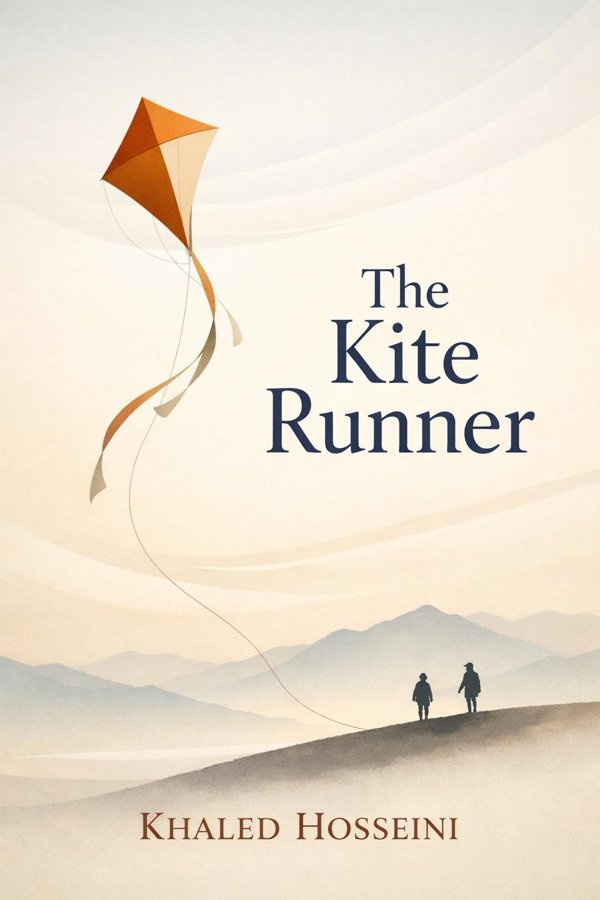
The Kite Runner
by Khaled Hosseini
What does it take to live with a betrayal you can never forget? The Kite Runner answers that question with unusual emotional force, tracing one boy’s mistake across decades of war, exile, silence, and painful self-reckoning. Set first in a peaceful 1970s Kabul and then against the upheavals that remake Afghanistan, Khaled Hosseini’s bestselling novel is both an intimate coming-of-age story and a sweeping portrait of a country in crisis. At its center is Amir, a privileged Pashtun boy, and Hassan, the loyal Hazara child raised in the same household yet never treated as an equal. Their bond is tender, complicated, and ultimately shattered by fear. What makes the novel so unforgettable is that it never reduces redemption to easy forgiveness. Instead, it shows how guilt lingers, how class and ethnicity shape lives, and how courage often arrives late. Hosseini, an Afghan-American novelist and physician born in Kabul, writes with deep feeling about displacement, memory, and family. The result is a story that stays with readers long after the final page, reminding us that the past is never truly past.
Key Takeaways
- 1Childhood in Kabul — The novel begins in a Kabul that feels vibrant, ordinary, and full of possibility before war transforms it. Hosseini tak…
- 2The Kite Tournament and Betrayal — The winter kite tournament is one of the novel’s most powerful sequences because it brings triumph and moral collapse to…
- 3Guilt and Estrangement — After the assault, Amir’s inner world begins to unravel. He cannot undo what he witnessed, and instead of confessing or …
 10 min read
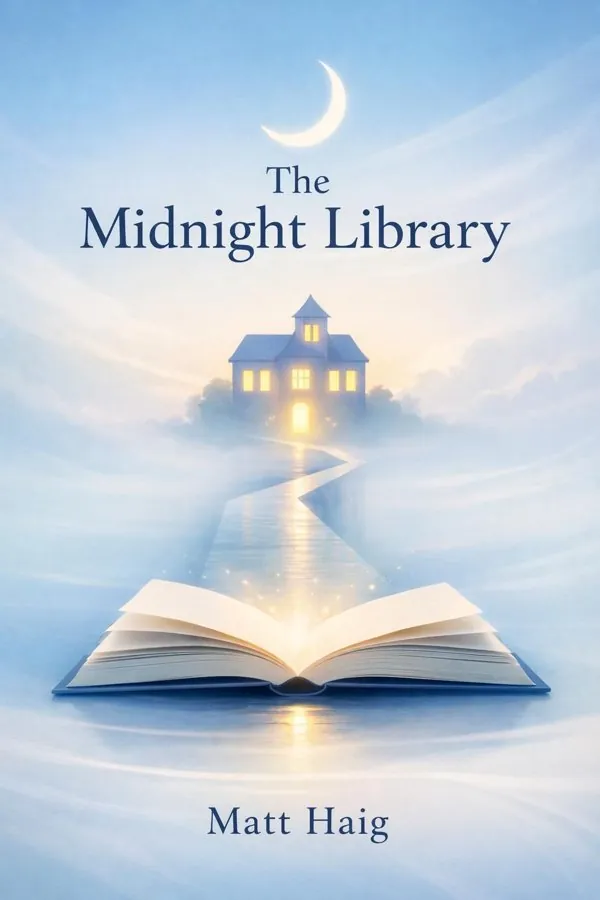
The Midnight Library
by Matt Haig
Between life and death there is a library, and within that library, the shelves go on forever. Each book offers a chance to try another life you could have lived. For Nora Seed, faced with the possibility of changing her life for a new one, she must search within herself as she travels through the Midnight Library to decide what is truly fulfilling and what makes life worth living.
Key Takeaways
- 1Between Life and Death: Nora’s Awakening — When Nora decides to die, she doesn’t expect a transition, much less a library. Her life has collapsed in on itself — he…
- 2Lessons from the Infinite Lives — As Nora journeys through the infinite book stacks, her regrets begin to unfold like pages written in invisible ink. Each…
- 3Choosing Life Again
 10 min read
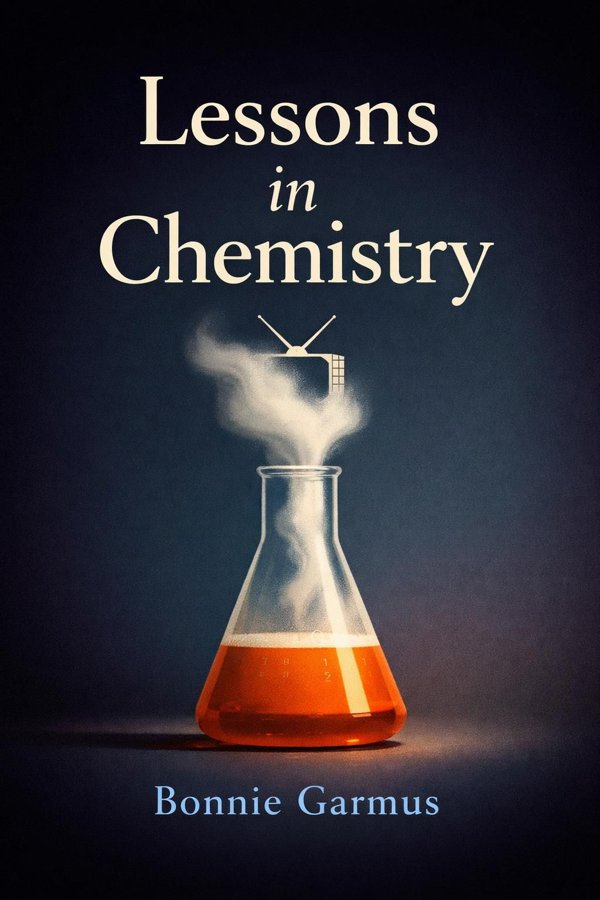
Lessons in Chemistry
by Bonnie Garmus
Set in the early 1960s, this debut novel follows Elizabeth Zott, a brilliant chemist who becomes an unlikely television cooking show host. Through her unconventional approach to life and science, she challenges societal norms and inspires women to pursue their ambitions in a male-dominated world.
Key Takeaways
- 1From the Laboratory to Love: Creating Bonds Under Pressure — Elizabeth Zott begins her story at the Hastings Research Institute, a place humming with intellectual energy but clouded…
- 2Transformation and Loss: The Heat of Single Motherhood — Calvin’s death is a cataclysm that forces Elizabeth into a new experiment—motherhood in isolation. Madeline, her daughte…
- 3Supper at Six: Reactions of Resistance
 10 min read
The Death of Ivan Ilyich
by Leo Tolstoy
The Death of Ivan Ilyich is a novella by Leo Tolstoy, first published in 1886. It tells the story of Ivan Ilyich Golovin, a high-ranking judge who faces a terminal illness and begins to confront the emptiness and hypocrisy of his life. The work explores profound themes of mortality, spiritual awakening, and the search for genuine meaning.
Key Takeaways
- 1Ivan Ilyich’s Background — Ivan Ilyich was a man who lived precisely as society expected him to live. His path was well paved—the right education, …
- 2Marriage and Domestic Life — Ivan’s marriage to Praskovya was never a union of hearts but of convenience. It is a portrait of domestic life arranged …
- 3Professional Success and Moral Complacency
 10 min read
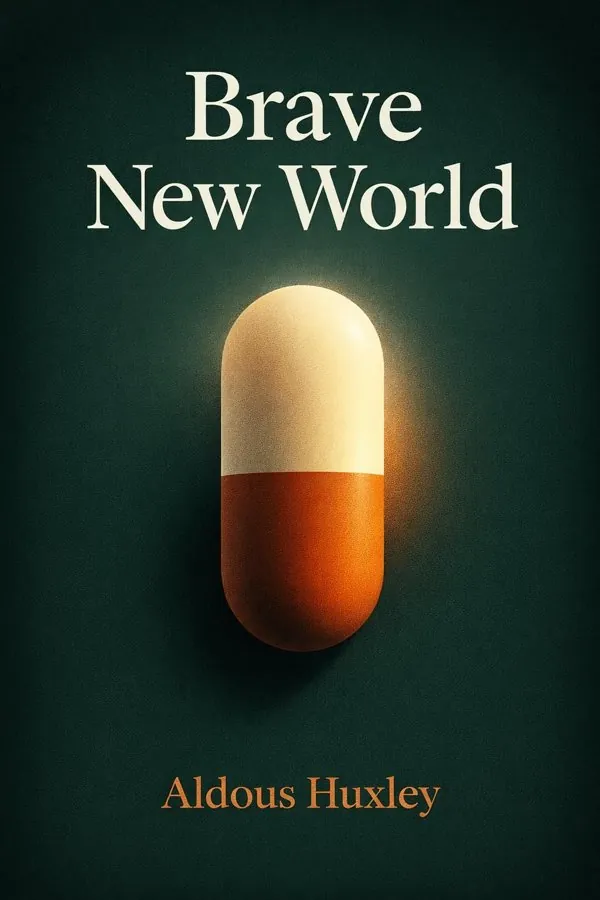
Brave New World
by Aldous Huxley
Brave New World is a dystopian novel by Aldous Huxley, first published in 1932. Set in a futuristic World State where citizens are engineered and conditioned for social stability, the novel explores themes of individuality, freedom, and the cost of technological and societal control. It remains one of the most influential works of twentieth-century literature, often compared with George Orwell’s 1984 for its prophetic vision of a controlled society.
Key Takeaways
- 1The Hatchery and Conditioning Center: Manufacturing Humanity — The story begins in the Hatchery and Conditioning Center—a place that marks the starting point of life and the foundatio…
- 2Social Hierarchies and the Mechanism of Happiness: The Price of Stability — In this world, stability reigns supreme. The social system rests upon rigid stratification: Alphas stand at the top, wie…
- 3Bernard Marx and Lenina Crowne: The Uneasy Awakening
 10 min read
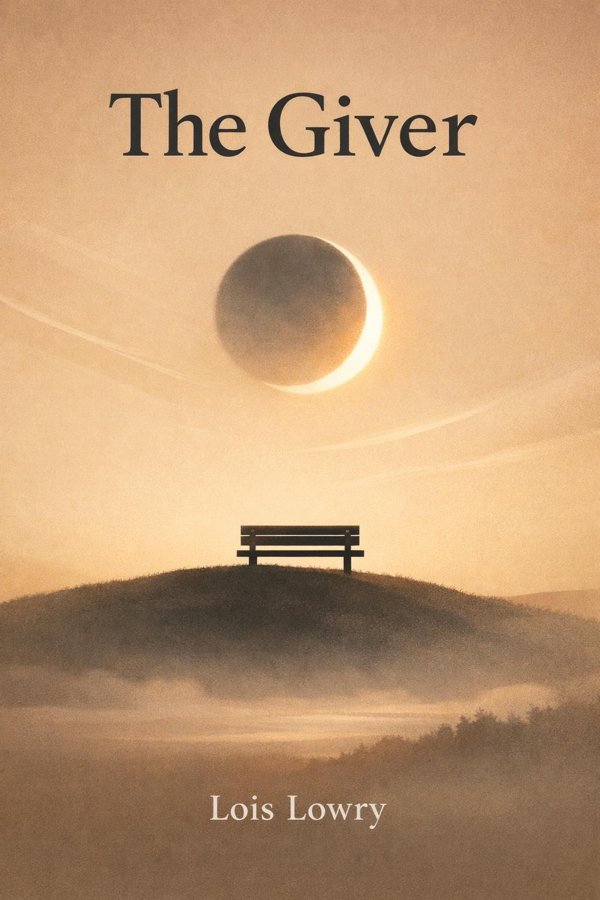
The Giver
by Lois Lowry
The Giver is a dystopian novel set in a seemingly utopian society where pain, suffering, and choice have been eliminated. The story follows Jonas, a young boy chosen to inherit the position of Receiver of Memory, who discovers the dark truths behind his community’s controlled existence and begins to question the cost of conformity and the loss of individuality.
Key Takeaways
- 1The World of Sameness — When I conceived the community of Jonas, I wanted it to seem almost enviable at first glance. No war, no hunger, no emot…
- 2Becoming the Receiver of Memory — Jonas’s selection as Receiver is unprecedented in its gravity. His new role isolates him completely, for he is chosen to…
- 3The Weight of Knowledge and the Discovery of Truth
 10 min read
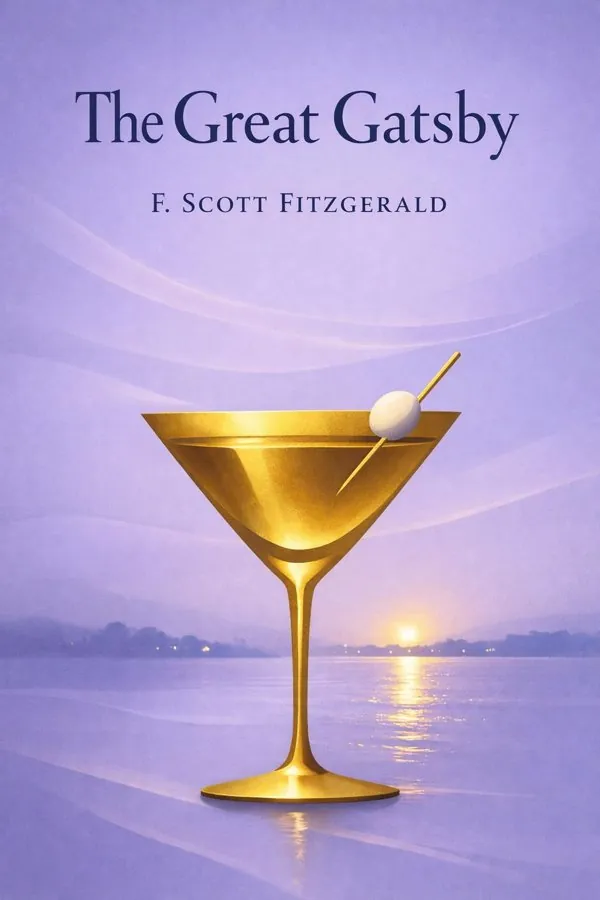
The Great Gatsby
by F. Scott Fitzgerald
The Great Gatsby is a novel set in the Jazz Age on Long Island, near New York City. It tells the story of Jay Gatsby, a mysterious millionaire, and his obsessive love for Daisy Buchanan. Through the eyes of narrator Nick Carraway, the book explores themes of wealth, class, love, and the American Dream, portraying the moral decay behind the glittering surface of the Roaring Twenties.
Key Takeaways
- 1Nick’s Arrival and the World of Long Island — I began with Nick Carraway because he is a blank page—a mirror upon which the era inscribes itself. He comes from the Mi…
- 2Gatsby’s Entrance and a Secret Love — Gatsby’s appearance marks the moment the novel gains its heartbeat. I always wrote him as if he were slightly unreal—his…
- 3The Collision of Ideals and the Shattering of Dreams
 10 min read
When Crickets Cry
by Charles Martin
When Crickets Cry by Charles Martin is a moving work of inspirational fiction about grief, guilt, healing, and the mysterious ways love calls people back to life. Set in a small Southern town, the novel follows Reese, a withdrawn man with a painful past, whose carefully hidden wounds are exposed when he meets a brave little girl named Annie and her devoted aunt, Cindy. What begins as a chance encounter slowly becomes a story about second chances, sacrifice, and the courage required to face what we would rather bury. At the heart of the novel is a question that is both medical and deeply spiritual: what does it take to mend a broken heart? Martin explores that question not only through illness and physical frailty, but through emotional loss and moral responsibility. Known for his lyrical prose, emotionally rich storytelling, and faith-tinged reflections on suffering and redemption, Charles Martin has built a reputation as a novelist who combines suspense, compassion, and memorable characters. This book matters because it reminds readers that healing is rarely neat, but love often reaches us precisely where we are most shattered.
Key Takeaways
- 1Broken hearts need more than medicine — Some wounds are visible on a scan, while others hide behind a smile, a silence, or a carefully constructed routine. One …
- 2Grace often arrives through unexpected people — The people who change us most are often the ones we never planned to meet. A central idea in When Crickets Cry is that g…
- 3Guilt can imprison the gifted — A person can possess extraordinary ability and still feel unworthy of using it. One of the most compelling themes in Whe…
 10 min read
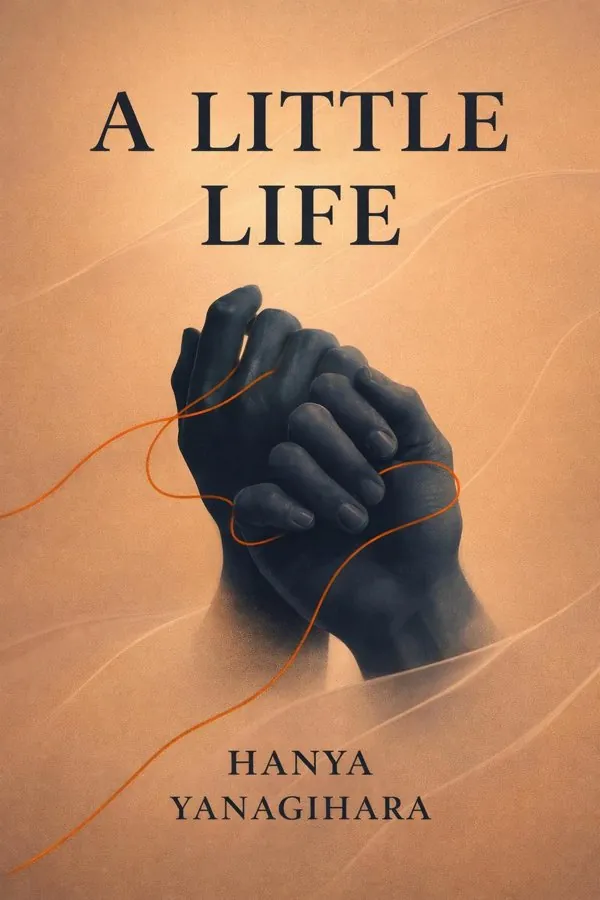
A Little Life
by Hanya Yanagihara
A Little Life is a profoundly emotional novel that follows four college friends—Jude, Willem, JB, and Malcolm—as they navigate adulthood in New York City. The story centers on Jude St. Francis, a brilliant but deeply scarred man whose traumatic past shapes his relationships and self-perception. Through its exploration of friendship, trauma, love, and endurance, the book delves into the complexities of human suffering and compassion.
Key Takeaways
- 1Four Friends in a Vast City — The story begins in Massachusetts, where four young men—Jude, Willem, JB, and Malcolm—meet at college. Each comes from a…
- 2The Mystery of Jude St. Francis — As the story begins to center on Jude, the tone shifts. His body is failing him—a limp, mysterious injuries, unexplained…
- 3Love and the Invisible Weight of Suffering
 10 min read
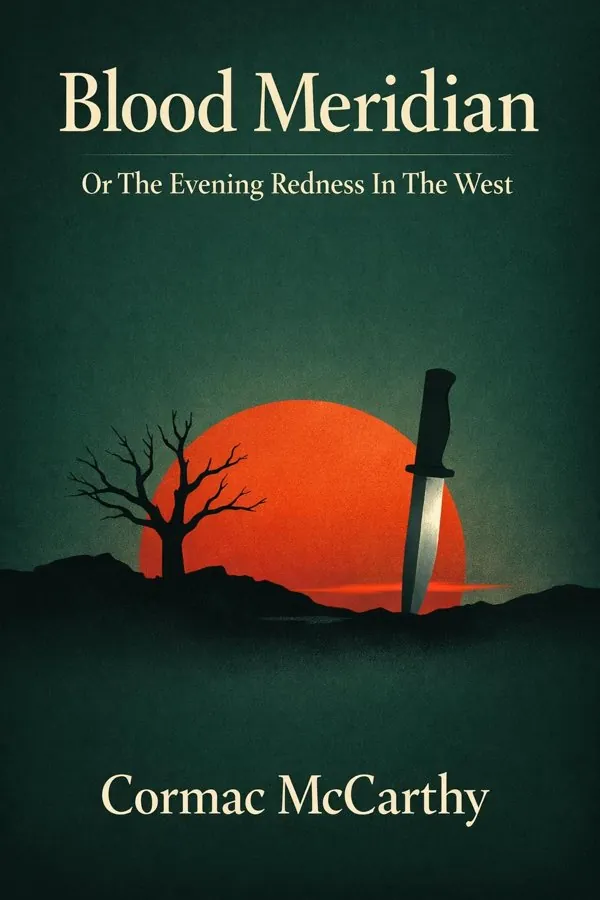
Blood Meridian
by Cormac McCarthy
Blood Meridian is an epic historical novel set in the American Southwest and Mexico during the mid-19th century. It follows a teenage runaway known as 'the Kid' who joins a violent gang of scalp hunters led by the enigmatic Judge Holden. The novel explores themes of violence, fate, and the nature of evil through stark, poetic prose and vivid depictions of brutality.
Key Takeaways
- 1The Kid and the Birth of Violence — The story begins with a fourteen-year-old boy known only as the Kid. He comes from Tennessee, born to neglect, hardship,…
- 2The Glanton Gang and the Machinery of Death — The Kid joins Captain Glanton’s expedition, a ragged mercenary troop contracted by the Mexican government to rid the nor…
- 3Judgment, Chaos, and the Fall of the Gang
 10 min read
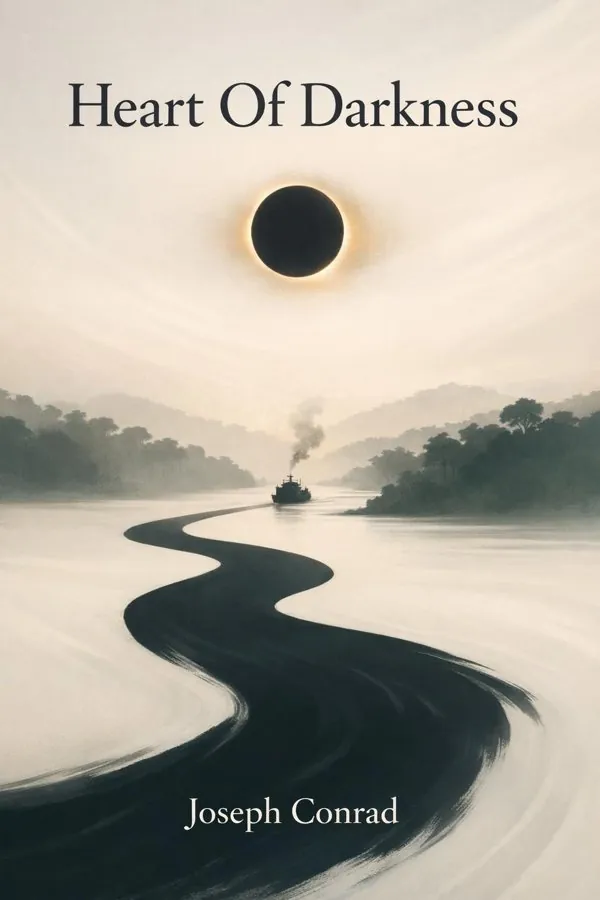
Heart of Darkness
by Joseph Conrad
Heart of Darkness is a novella by Joseph Conrad that explores the journey of Charles Marlow, an Englishman who travels up the Congo River to meet the mysterious ivory trader Kurtz. The story delves into themes of imperialism, human nature, and the darkness within civilization and the self. Set during the height of European colonialism in Africa, it is a profound critique of moral corruption and the illusion of progress.
Key Takeaways
- 1The Thames and the Promise of Light — It began, as I recall, upon the Thames—the great artery through which England’s lifeblood of trade and conquest had long…
- 2Maps and the Hunger for the Unknown — I had always been fascinated by maps—their delicate tracings of white and blue, their mysterious blank expanses calling …
- 3The Journey Begins: Brussels and the Foreshadowing of Descent
 10 min read
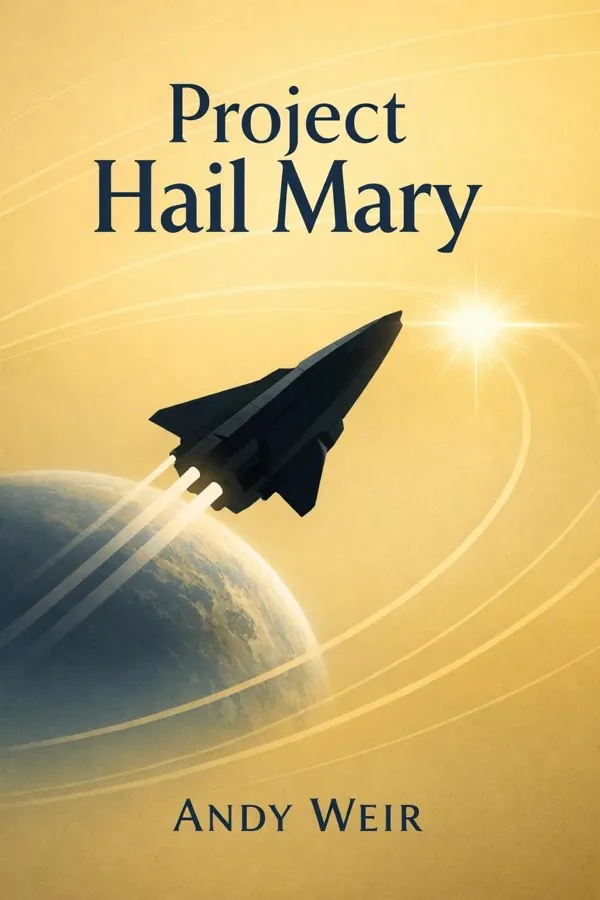
Project Hail Mary
by Andy Weir
A lone astronaut awakens on a spaceship with no memory of how he got there. As he pieces together his past, he realizes he is humanity’s last hope to save Earth from an extinction-level threat. Combining hard science with humor and suspense, Andy Weir crafts a gripping tale of survival and discovery.
Key Takeaways
- 1Waking Alone: The Blank Space of Memory — The story opens on a stark scene—Ryland Grace wakes in a sterile medical bay, two lifeless bodies beside him. His surrou…
- 2A Dying Sun and the Secret of the Astrophage — As Grace’s memories return, the scope of the catastrophe unfurls. Back on Earth, the sun’s luminosity was inexplicably f…
- 3A Stranger Among Stars: Rocky and the Meaning of True Cooperation
 10 min read
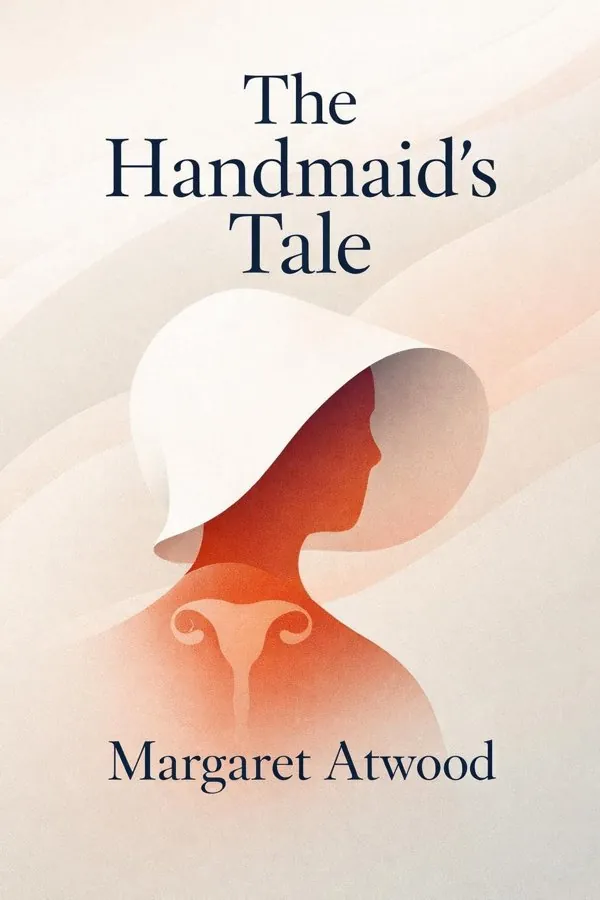
The Handmaid's Tale
by Margaret Atwood
The Handmaid's Tale is a dystopian novel set in the near-future Republic of Gilead, a totalitarian theocracy that has overthrown the United States government. The story follows Offred, a woman forced into sexual servitude as a 'Handmaid' whose sole purpose is to bear children for the ruling class. Through her eyes, the novel explores themes of gender oppression, autonomy, and resistance.
Key Takeaways
- 1The Birth of Gilead: A Nation Reborn in Chains — The Republic of Gilead rises from the ashes of a crumbling United States. Environmental catastrophe, plummeting birth ra…
- 2Offred’s Life and the Machinery of Control — Offred’s daily existence as a Handmaid is defined by ritual, hypocrisy, and silence. She lives in the home of the Comman…
- 3Desire, Disobedience, and the Costs of Freedom
 10 min read
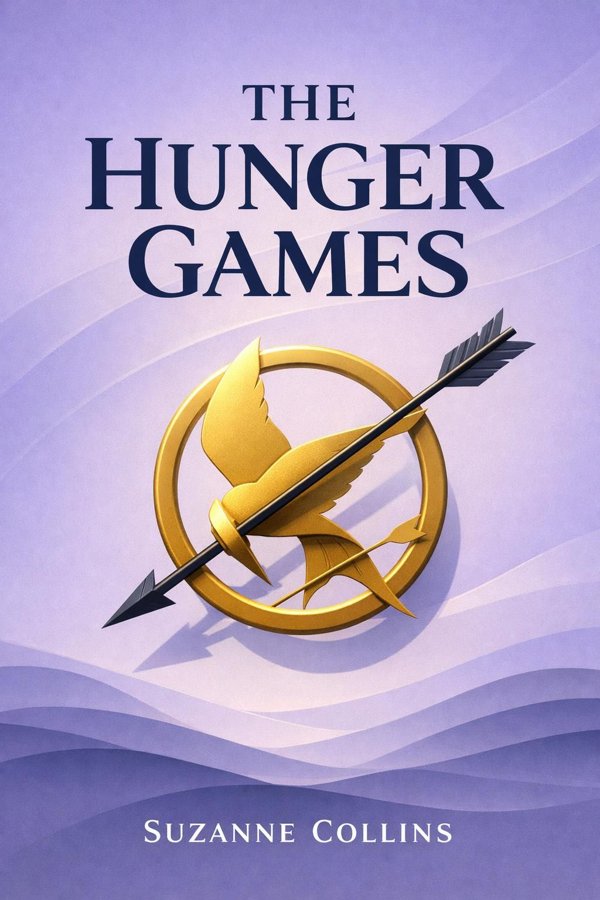
The Hunger Games
by Suzanne Collins
The Hunger Games is a dystopian young adult novel set in a future North America known as Panem, where the totalitarian Capitol forces each of its twelve districts to send one boy and one girl to fight to the death in a televised event called the Hunger Games. The story follows sixteen-year-old Katniss Everdeen, who volunteers to take her sister’s place in the Games and becomes a symbol of rebellion against oppression.
Key Takeaways
- 1Panem and the Capitol’s Grip — Panem was born from the ashes of ruin—a North America remade after war and ecological collapse. In creating this world, …
- 2Katniss Everdeen: Life in District 12 — District 12 lies on the fringes of Panem, a place where coal dust seeps into the pores and hunger presses on every home.…
- 3The Reaping and the Choice of Sacrifice
Want the full summary?
Get instant access to this book summary and 500K+ more with Fizz Moment.
Get Free SummaryAvailable on App Store • Free to download
About This List
Fiction reveals truths that non-fiction cannot. These novels, short stories, and literary works will transport you to other worlds and change how you see your own.
This list features 15 carefully selected books. With FizzRead, you can read AI-powered summaries of each book in just 15 minutes. Get the key takeaways and start applying the insights immediately.
Ready to start reading?
Get instant access to all 15 book summaries and 500K+ more with FizzRead.