
Best Classic Novels Everyone Should Read
These timeless novels have shaped literature and culture for centuries. They explore the depths of human experience in ways that remain profoundly relevant.

 10 min read
1984
by George Orwell
A dystopian novel set in a totalitarian society ruled by Big Brother, where the Party exercises absolute control over truth, history, and individual thought. The story follows Winston Smith, a low-ranking member of the Party, as he begins to question the regime and seeks truth and freedom in a world dominated by surveillance and propaganda.
Key Takeaways
- 1Introduction to Oceania — When the story opens, the world is carved into three superstates perpetually at war: Oceania, Eastasia, and Eurasia. The…
- 2Winston Smith’s Daily Life — Winston Smith works at the Ministry of Truth, though the irony is cruelly precise—his job is to rewrite history, to ensu…
- 3The Mechanisms of Control
 10 min read
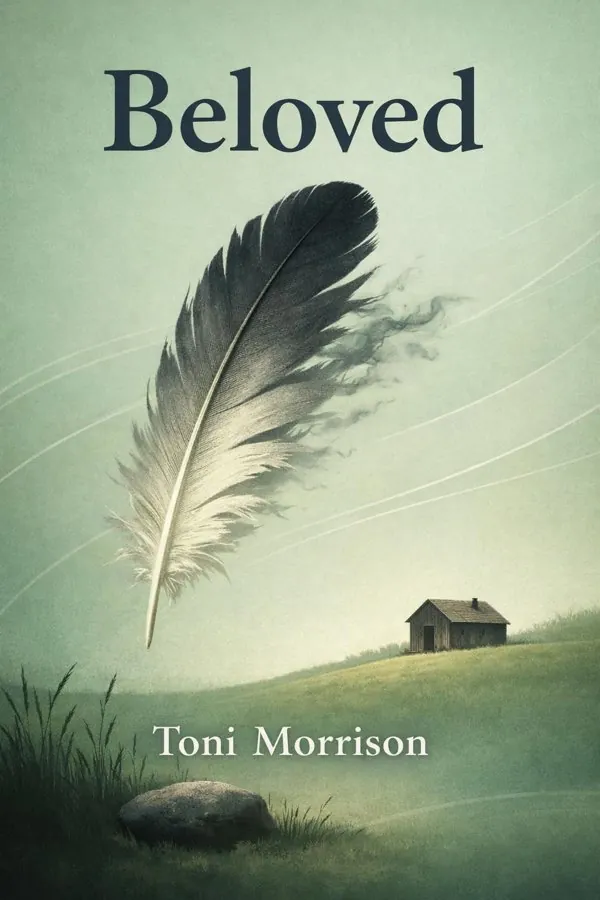
Beloved
by Toni Morrison
Set after the American Civil War, this novel tells the story of Sethe, an escaped enslaved woman haunted by the trauma of her past and the ghost of her dead child. Through poetic language and shifting perspectives, the book explores memory, motherhood, and the enduring scars of slavery.
Key Takeaways
- 1124 Bluestone Road: The Haunted Beginning — The novel opens in a house already broken by sorrow. 124 stands alone, shunned by neighbors, filled with a disturbance t…
- 2The Return of Paul D and the Buried Past — Paul D’s reappearance forces Sethe to confront the fragility of her hard-won peace. At Sweet Home, he knew her as a woma…
- 3Beloved’s Arrival: The Embodiment of Memory
 10 min read
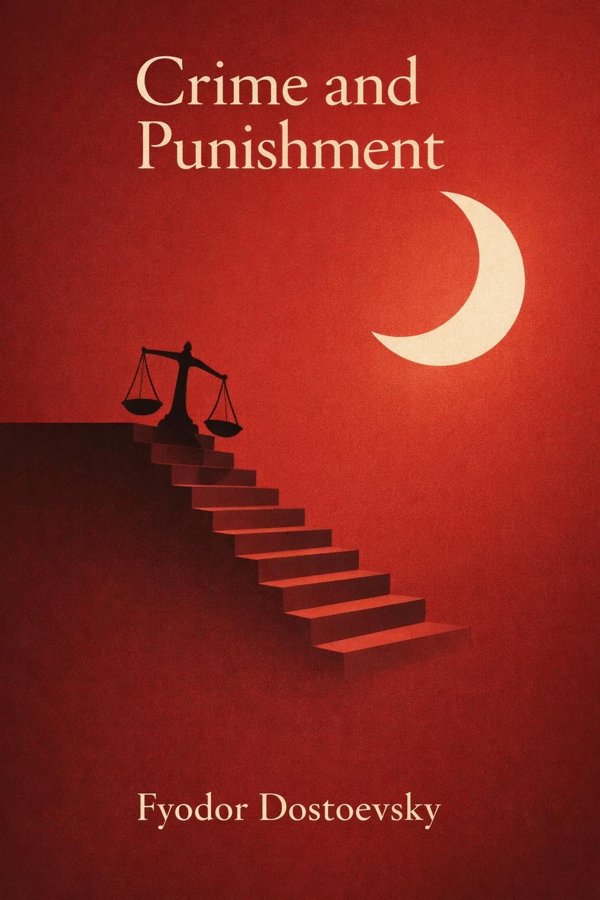
Crime and Punishment
by Fyodor Dostoevsky
Crime and Punishment is one of the most penetrating novels ever written about guilt, morality, and the hidden motives that drive human behavior. Set in the oppressive heat and poverty of St. Petersburg, the story follows Rodion Raskolnikov, a former student who convinces himself that extraordinary people may step beyond ordinary moral laws. Acting on this idea, he commits a brutal crime and then discovers that intellectual justification offers no protection against conscience, fear, and spiritual collapse. What begins as a murder story becomes a profound psychological investigation into suffering, pride, alienation, and the possibility of redemption. Fyodor Dostoevsky matters because few writers have understood the contradictions of the human soul so deeply. Drawing on his own experiences with poverty, imprisonment, political persecution, and religious struggle, he created a novel that still feels startlingly modern. Crime and Punishment remains essential not only as a literary classic, but as a timeless study of how people rationalize wrongdoing, how guilt reshapes identity, and how truth can become the first step toward renewal.
Key Takeaways
- 1Ideas Can Become Dangerous Actions — A destructive act often begins long before the act itself, in the quiet acceptance of a dangerous idea. In Crime and Pun…
- 2Guilt Punishes Before Any Court — The most relentless punishment is often internal rather than legal. After the murder, Raskolnikov does not become triump…
- 3Pride Is a Form of Isolation — Pride does not always look like confidence; sometimes it looks like withdrawal, contempt, and a refusal to need anyone. …
 10 min read
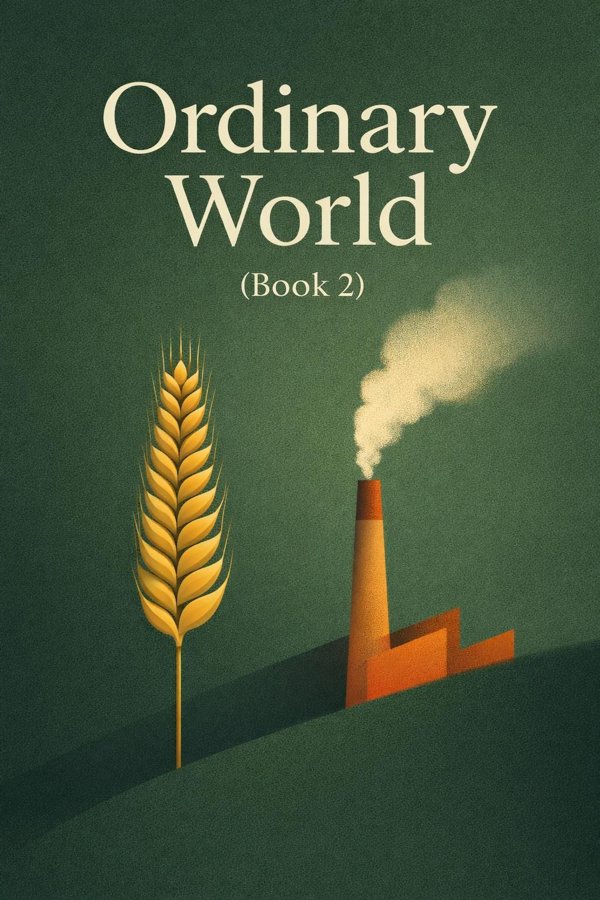
Ordinary Men
by Christopher Browning
Ordinary World is a monumental novel by Chinese author Lu Yao, divided into three volumes. The second volume continues the story of brothers Sun Shaoan and Sun Shaoping as they navigate the early years of China's economic reforms. Through their struggles and aspirations, the novel vividly portrays the transformation of rural and urban life, exploring themes of labor, love, ideals, and the pursuit of dignity and happiness among ordinary people.
Key Takeaways
- 1Sun Shaoan’s Struggle: The Brickmaker and His Dreams — In the early 1980s, China’s countryside was awakening, stirred by the first breezes of rural reform. For Sun Shaoan, ref…
- 2Sun Shaoping in the Depths: The Labor of Faith — While Shaoan battles the challenges of commerce above ground, his younger brother Shaoping descends into the belly of th…
- 3Between Generations: Love, Loss, and Responsibility
 10 min read
Siddhartha
by Hermann Hesse
Siddhartha is a 1922 novel by Hermann Hesse that follows the spiritual journey of a young man named Siddhartha during the time of the Buddha. Seeking enlightenment, Siddhartha explores asceticism, sensuality, and self-discovery, ultimately realizing the unity of all existence. The book is celebrated for its profound philosophical insights and its synthesis of Eastern and Western thought.
Key Takeaways
- 1The Dissatisfied Brahmin — I first met Siddhartha as a radiant young man, a Brahmin’s son whose life seemed already blessed. He was admired for his…
- 2Life with the Samanas and the Encounter with the Buddha — Life among the Samanas taught Siddhartha self-denial, but also the limits of renunciation. Under the harsh sun, he learn…
- 3The Worldly Years: Kamala and Kamaswami
 10 min read
The Bell Jar
by Sylvia Plath
The Bell Jar is a semi-autobiographical novel by Sylvia Plath, first published under the pseudonym Victoria Lucas in 1963. It follows Esther Greenwood, a young woman who wins a prestigious internship at a New York magazine but soon descends into mental illness. The novel explores themes of identity, depression, societal expectations, and the struggle for autonomy in a conformist world. It is widely regarded as a landmark work in feminist literature and a poignant depiction of mental health struggles in mid-20th-century America.
Key Takeaways
- 1A Summer of Glamour and Alienation — In the beginning, success wraps Esther Greenwood like a shining cloak. Her scholarship and ambition have earned her a co…
- 2The Weight of Expectations and the Crumbling of Identity — After the dizzying unreality of New York, Esther returns home to Massachusetts—a place that should anchor her, but inste…
- 3The Disillusionment of Love and the Gender Trap
 10 min read
The Brothers Karamazov
by Fyodor Dostoevsky
Few novels ask larger questions than The Brothers Karamazov. On its surface, Fyodor Dostoevsky’s final masterpiece is a family drama: a violent, greedy father is hated by his sons, rivalries intensify, and a murder shatters what little order remains. But beneath that gripping plot lies one of literature’s deepest explorations of faith, doubt, justice, guilt, freedom, morality, and the possibility of redemption. Through the contrasting personalities of Dmitri, Ivan, and Alyosha Karamazov, Dostoevsky turns one broken family into a portrait of the human soul itself. First published in 1880, the novel remains astonishingly modern because it confronts questions that still unsettle us: If God is absent, what guides our choices? Can reason alone sustain morality? Why do innocent people suffer? Are we responsible only for our own actions, or also for the pain we ignore in others? Dostoevsky writes with unusual authority because his own life was marked by political persecution, exile, poverty, illness, and profound spiritual struggle. The result is not merely a great Russian novel, but a timeless investigation into what it means to be human when love, desire, intellect, and conscience pull in different directions.
Key Takeaways
- 1A Family as a Moral Battlefield — Sometimes a family reveals more about human nature than any philosophy textbook. In The Brothers Karamazov, Dostoevsky b…
- 2Freedom Without Morality Becomes Chaos — Human beings often demand freedom, but Dostoevsky asks a harder question: freedom for what? One of the central tensions …
- 3Suffering Challenges Faith and Reason — It is easy to discuss morality in the abstract; it is much harder to defend meaning in the face of innocent suffering. O…
 10 min read
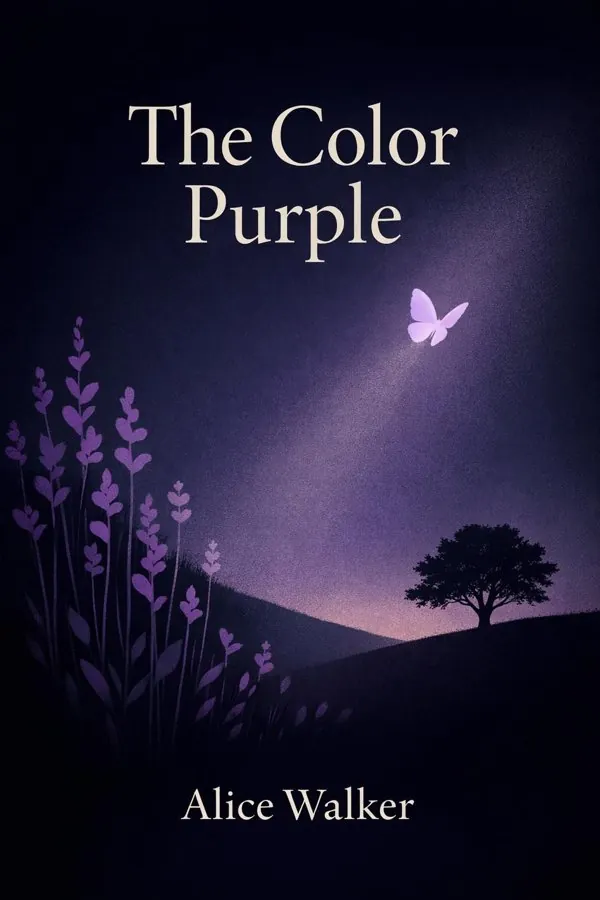
The Color Purple
by Alice Walker
The Color Purple is an epistolary novel set in the early 20th-century American South. It follows the life of Celie, an African American woman who endures abuse and oppression but gradually finds empowerment and self-worth through her relationships with other women, particularly her sister Nettie and the singer Shug Avery. The novel explores themes of race, gender, spirituality, and resilience.
Key Takeaways
- 1Celie’s Early Letters: Silence and Survival — When Celie first begins writing to God, her words are desperate whispers in the dark. She is a young girl trapped in an …
- 2Life with Mr.___: The Cage of Servitude — Marriage for Celie is not a partnership; it is a sentence. When her father forces her into a union with Mr.___, who want…
- 3Arrival of Shug Avery: Awakening the Soul
 10 min read
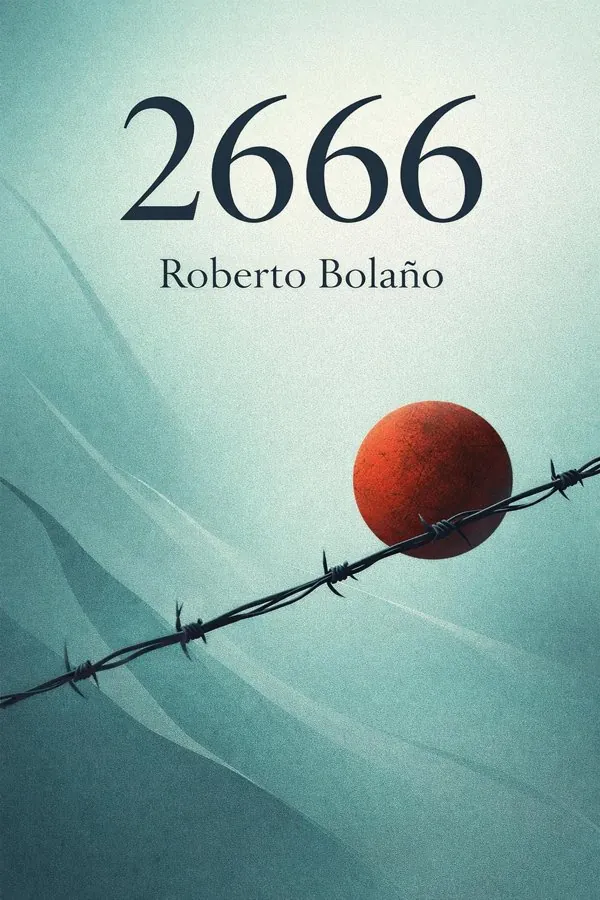
2666
by Roberto Bolaño
2666 is a posthumous novel by Chilean author Roberto Bolaño, first published in Spanish in 2004 and later translated into English. The book is divided into five interconnected parts that explore themes of violence, literature, war, and the mystery surrounding the femicides in the fictional city of Santa Teresa, inspired by Ciudad Juárez. Through multiple voices and settings—from Europe to Mexico—Bolaño constructs a profound reflection on evil, artistic creation, and the decay of the twentieth century.
Key Takeaways
- 1The Part About the Critics — I begin with the critics. Pelletier, Espinoza, Morini, and Norton—four Europeans welded together by a shared fascination…
- 2The Part About Amalfitano — Then we turn to Amalfitano, the philosopher exiled to Santa Teresa—a man caught between reason and madness. He is perhap…
- 3The Part About Fate
 10 min read
62: A Model Kit
by Julio Cortázar
An experimental novel first published in 1968, '62: A Model Kit' explores narrative fragmentation and the interplay between characters moving through various European cities. Derived from an idea mentioned in 'Hopscotch', the book presents a literary game that challenges traditional storytelling structures.
Key Takeaways
- 1Fragmented Beginnings: Cities, Characters, and the Sense of Dislocation — The novel opens in fragments, as if several memories were thrown upon a table and shuffled by invisible hands. Paris and…
- 2Dream, Symbol, and the Instability of Meaning — As the story unfolds, its texture becomes more hallucinatory. The boundaries between waking and dreaming dissolve until …
- 3Language, Translation, and the Construction of Reality
 10 min read
A Christmas Carol
by Charles Dickens
A Christmas Carol is a novella by Charles Dickens first published in 1843. It tells the story of Ebenezer Scrooge, a miserly old man who is visited by the ghosts of Christmas Past, Present, and Yet to Come. Through these supernatural encounters, Scrooge undergoes a profound transformation, learning compassion and the true spirit of Christmas.
Key Takeaways
- 1Marley’s Ghost: The Warning in Chains — When the story begins, Jacob Marley has been dead these seven years. Yet even in death, I would not allow him rest, for …
- 2The Ghost of Christmas Past: Shadows of Lost Warmth — Into the quiet of the night comes the first spirit, radiant like the tender light of dawn—neither child nor old man, a b…
- 3The Ghost of Christmas Present: The Human Feast of Fellowship
 10 min read
A Farewell to Arms
by Ernest Hemingway
A Farewell to Arms is a novel set during World War I, telling the story of an American ambulance driver in the Italian army and his love affair with a British nurse. The book explores themes of love, war, loss, and the search for meaning amid chaos.
Key Takeaways
- 1At the Italian Front: Disillusionment and Duty — I placed Lieutenant Frederic Henry in the trenches of the Italian front because that was where life and meaning were mos…
- 2Love in the Time of War: Frederic and Catherine — When Frederic meets Catherine Barkley, I wanted the reader to feel the collision of two wounded souls. Catherine is a Br…
- 3Retreat and Desertion: The Collapse of Illusion
 10 min read
A Girl Is a Half-Formed Thing
by Eimear McBride
A Girl Is a Half-Formed Thing is a modernist novel written in a stream-of-consciousness style that explores the inner life of a young Irish woman as she navigates family trauma, sexuality, and grief. The narrative follows her relationship with her brother, who suffers from a brain tumor, and her struggle for identity and autonomy in a repressive environment. The book is known for its experimental language and emotional intensity.
Key Takeaways
- 1Fragmented Consciousness and a Brother’s Illness — The girl’s world begins with a distortion — her brother’s childhood illness. He has a brain tumor, and the family’s lang…
- 2Family Faith and Emotional Repression — The mother stands as both fortress and wound. Her devotion to religion becomes the family’s law, her prayers an unending…
- 3Mortality and the Child’s Understanding of Suffering
 10 min read
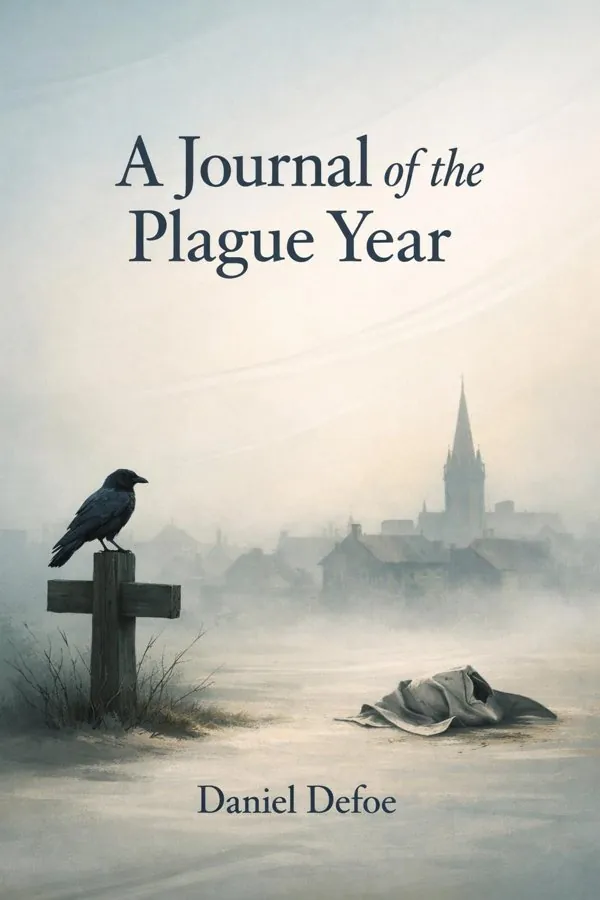
A Journal of the Plague Year
by Daniel Defoe
A Journal of the Plague Year is a historical novel first published in 1722, recounting the experiences of a Londoner during the Great Plague of 1665. Written in a realistic, documentary style, it blends fact and fiction to depict the social, moral, and emotional impact of the epidemic on the city’s inhabitants. The narrative explores themes of fear, survival, faith, and human behavior under crisis, offering a vivid portrayal of 17th-century London’s struggle with disease and mortality.
Key Takeaways
- 1Early Signs of the Plague’s Arrival — In the beginning there were whispers—rumors drifting over from Holland, murmurs that a great sickness had returned to Am…
- 2Government and Civic Responses — Officials strained to impose order upon a disorder that defied comprehension. The Bills of Mortality, published weekly, …
- 3The Spread of Infection and Public Panic
 10 min read
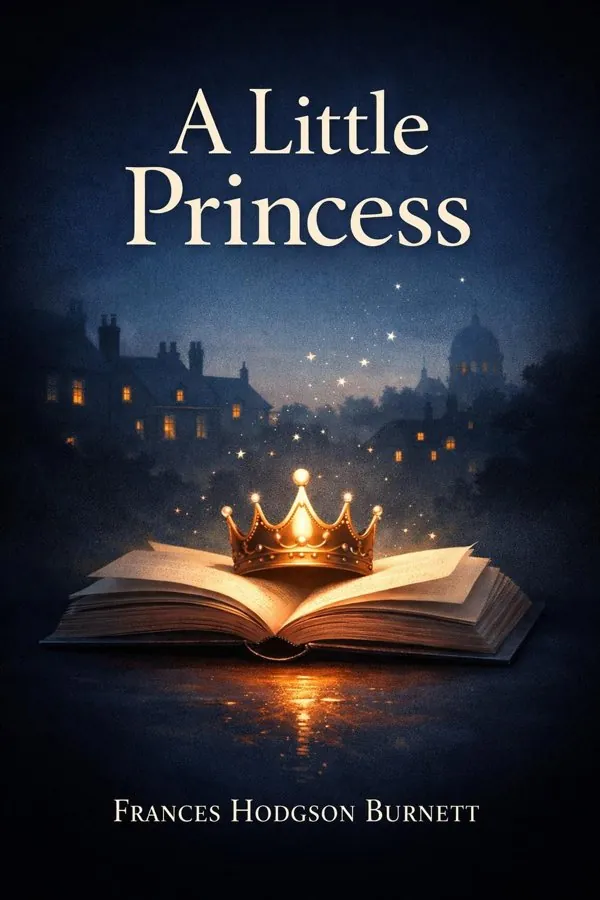
A Little Princess
by Frances Hodgson Burnett
A Little Princess is a classic children's novel that tells the story of Sara Crewe, a young girl sent to a London boarding school while her father serves in India. When tragedy strikes and she loses her fortune, Sara is reduced to servitude but maintains her kindness, imagination, and dignity. Her resilience and compassion ultimately lead to a reversal of fortune and a heartwarming resolution.
Key Takeaways
- 1Sara’s Life as a Little Princess — When Sara Crewe first arrives at Miss Minchin’s Select Seminary, she is more than just another student—she becomes its c…
- 2Enduring the Fall: Dignity in Servitude — Miss Minchin’s heart hardens in proportion to Sara’s misfortune. With her father gone and no inheritance to claim, Sara …
- 3The Magic Next Door: Fortune’s Quiet Turning
Want the full summary?
Get instant access to this book summary and 500K+ more with Fizz Moment.
Get Free SummaryAvailable on App Store • Free to download
About This List
These timeless novels have shaped literature and culture for centuries. They explore the depths of human experience in ways that remain profoundly relevant.
This list features 15 carefully selected books. With FizzRead, you can read AI-powered summaries of each book in just 15 minutes. Get the key takeaways and start applying the insights immediately.
Ready to start reading?
Get instant access to all 15 book summaries and 500K+ more with FizzRead.