

William Gibson Books
William Gibson es un escritor canadiense-estadounidense nacido en 1948, reconocido como el padre del ciberpunk. Su obra se caracteriza por la exploración de la tecnología, la inteligencia artificial y la cultura digital.
Known for: Burning Chrome, Agency, Count Zero, Mona Lisa Overdrive, Neuromancer, Pattern Recognition, Spook Country, The Peripheral, Zero History
Books by William Gibson
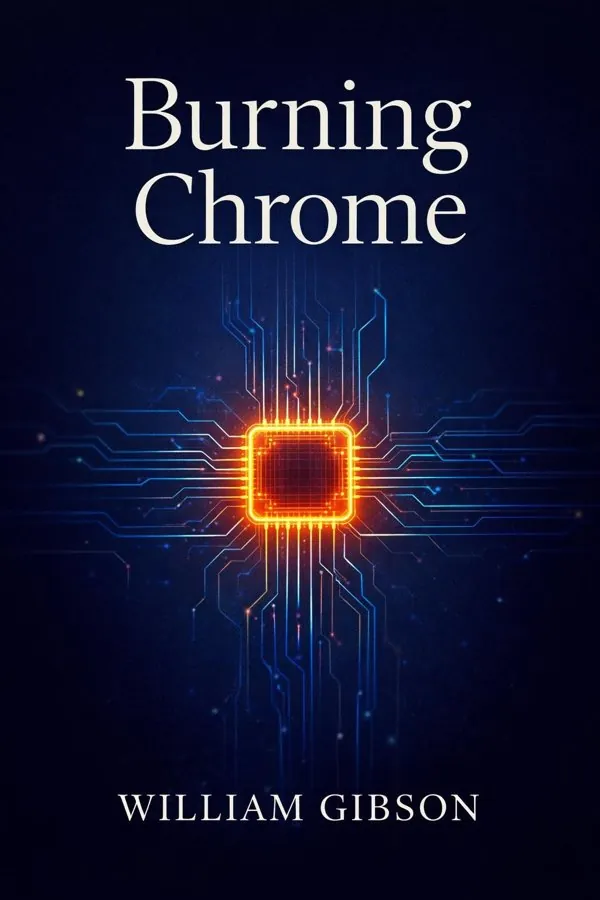
Burning Chrome
Burning Chrome is the collection where William Gibson’s imagination arrives at full voltage. Gathering ten early stories, it maps the territories that would soon make cyberpunk one of the most influen...
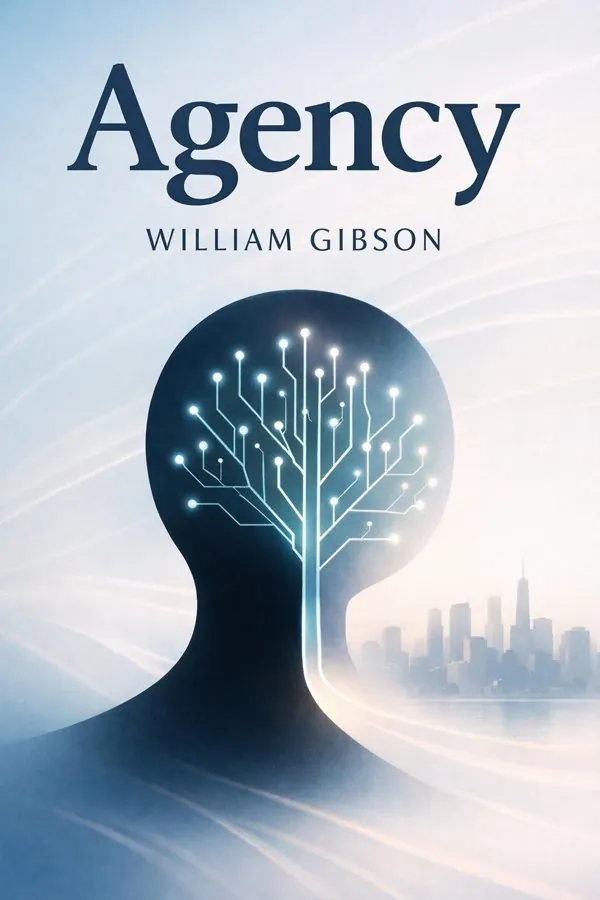
Agency
Agency is a science fiction novel by William Gibson, first published in 2020. It is set in a near-future alternate timeline where advanced artificial intelligence and political upheaval intersect. The...
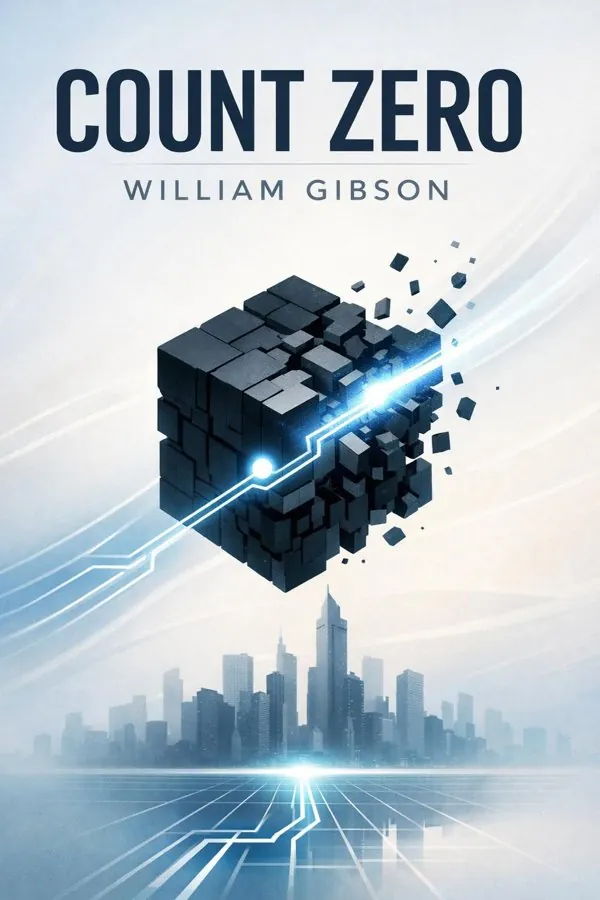
Count Zero
Count Zero is a cyberpunk novel set in the same universe as Neuromancer, exploring a near-future world dominated by multinational corporations, artificial intelligences, and data networks. The story f...
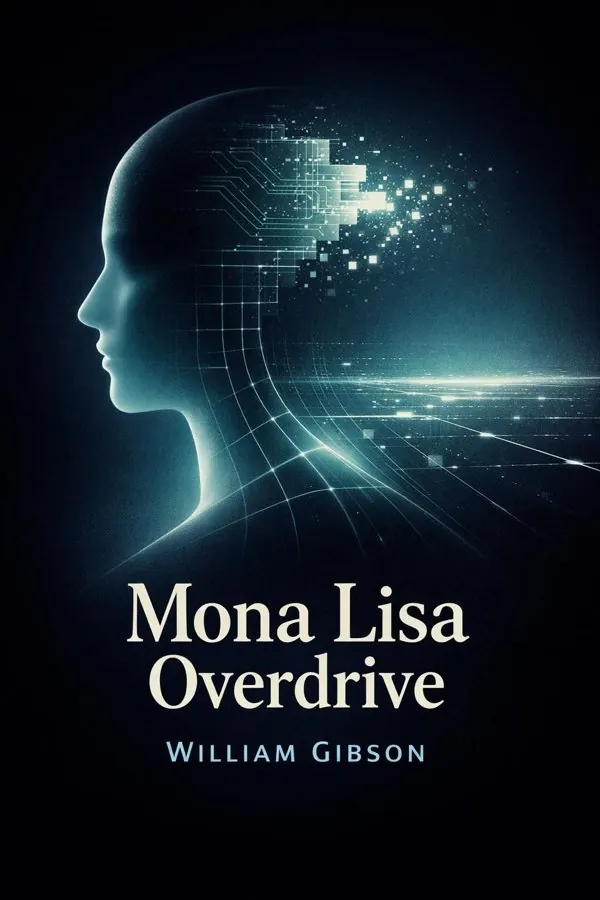
Mona Lisa Overdrive
Mona Lisa Overdrive is the third novel in William Gibson’s Sprawl trilogy, following Neuromancer and Count Zero. Set in a near-future cyberpunk world, it interweaves multiple storylines involving arti...
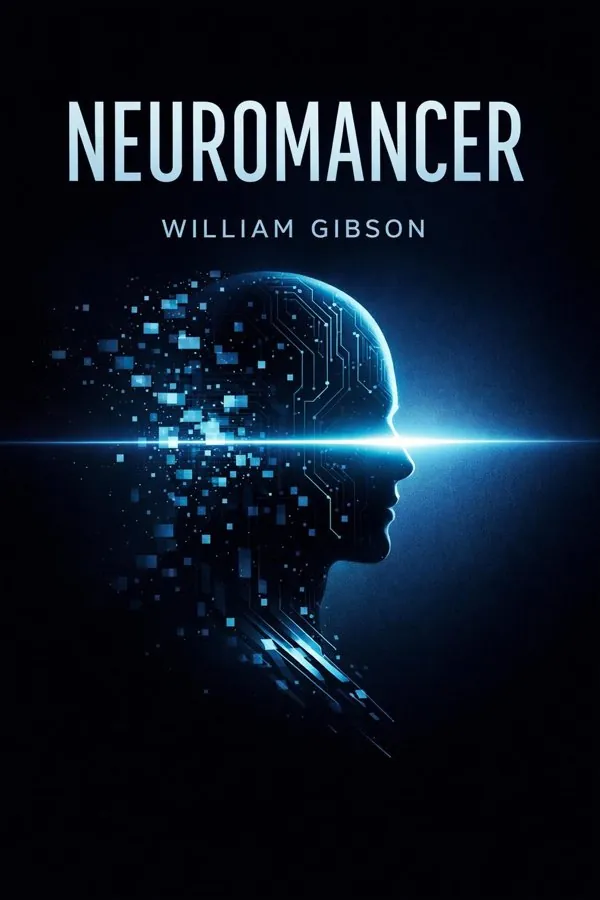
Neuromancer
Neuromancer es una novela de ciencia ficción escrita por William Gibson, publicada originalmente en 1984. Ambientada en un futuro distópico dominado por corporaciones y tecnología cibernética, sigue a...
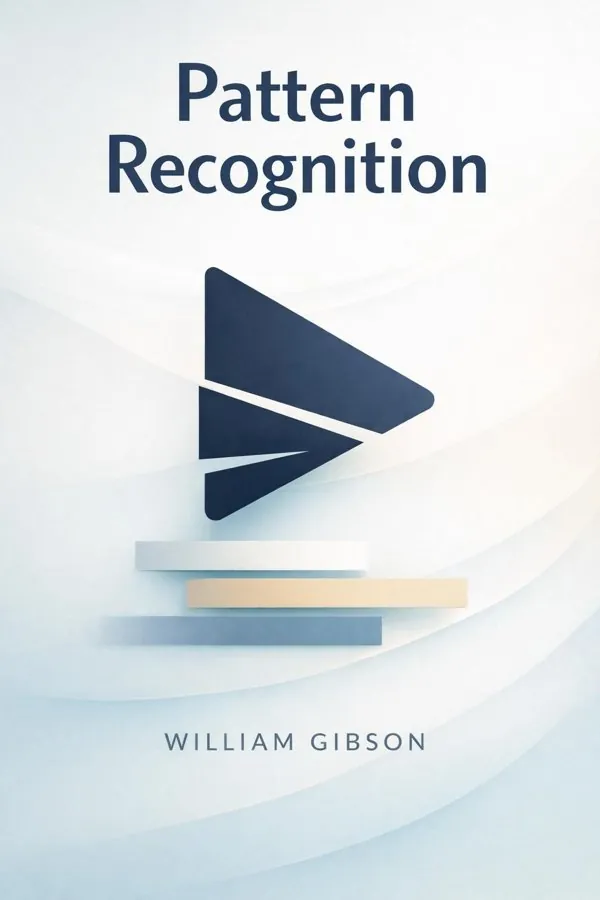
Pattern Recognition
Pattern Recognition est un roman de science-fiction contemporaine de William Gibson, publié en 2003. L’histoire suit Cayce Pollard, une consultante en marketing dotée d’une sensibilité particulière au...
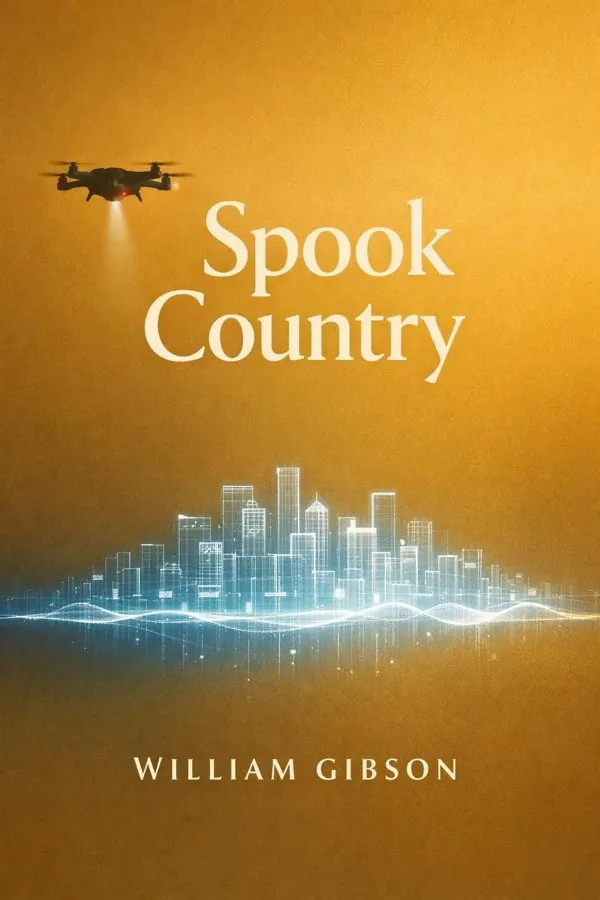
Spook Country
Spook Country is a 2007 novel by William Gibson, set in a near-future version of contemporary North America. It follows Hollis Henry, a former rock singer turned journalist, as she becomes entangled i...
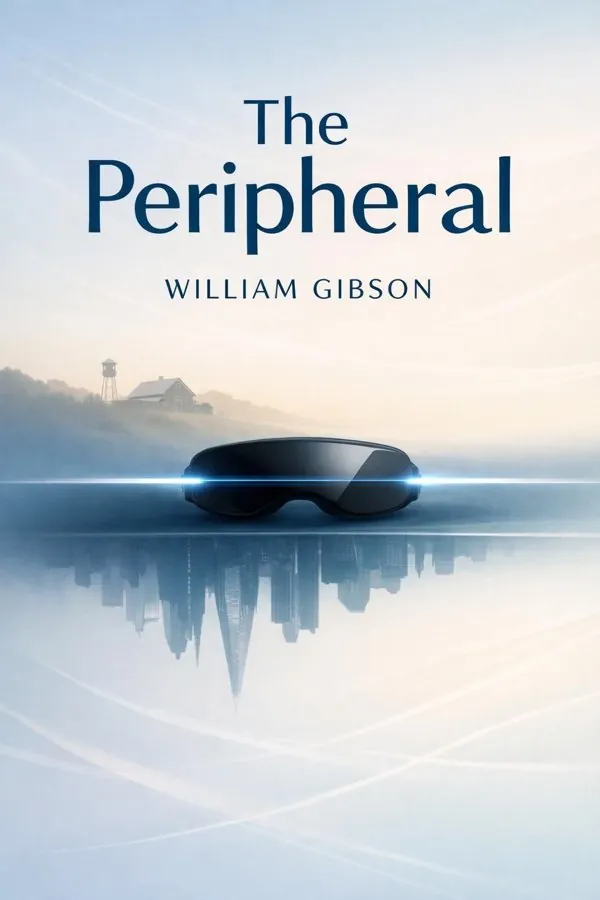
The Peripheral
In a near-future America hollowed out by economic collapse and technological dependence, a young woman named Flynne Fisher becomes entangled in a mysterious virtual job that turns out to be a real mur...
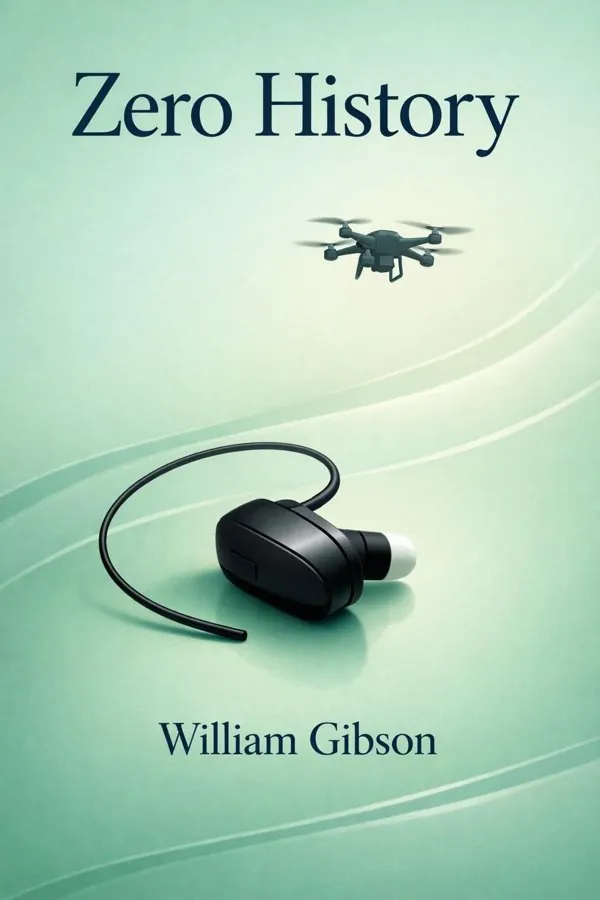
Zero History
Zero History is a 2010 novel by William Gibson, the third and final book in his Blue Ant trilogy following Pattern Recognition and Spook Country. The story follows former rock singer Hollis Henry and ...
Key Insights from William Gibson
Technology Changes Mood Before It Changes Society
The most unsettling thing about new technology is often not what it does, but how it makes people feel. Across Burning Chrome, Gibson presents technology as an atmosphere before he presents it as a tool. Cyberspace, implants, surveillance systems, simstim entertainment, and data theft all matter pra...
From Burning Chrome
Cyberspace Is A Human Landscape
Virtual worlds become most powerful when they reveal real human motives. One of Gibson’s defining contributions in Burning Chrome is the idea of cyberspace as a navigable realm, but he never treats it as a sterile technical abstraction. The matrix is vivid because it is filled with greed, curiosity,...
From Burning Chrome
Power Belongs To Networks, Not Heroes
In Gibson’s fiction, no one truly wins alone. Burning Chrome repeatedly shows that the future belongs less to singular heroes than to networks: criminal alliances, corporate systems, intelligence structures, media circuits, and technological infrastructures. Individual talent matters, but it operate...
From Burning Chrome
High Tech Never Eliminates Human Damage
The future is often sold as cleaner, smarter, and more efficient. Gibson refuses that fantasy. In Burning Chrome, technological sophistication exists alongside emotional wreckage, poverty, addiction, exploitation, and grief. His worlds are advanced but not healed. That contrast is one of the foundat...
From Burning Chrome
Identity Becomes Fluid Under Pressure
When bodies can be modified, memories externalized, and personalities mediated through screens, identity stops feeling fixed. Burning Chrome repeatedly explores selves that are improvised, fragmented, or performed. Gibson is fascinated by characters who assemble a workable identity out of style, ski...
From Burning Chrome
Style Reveals Systems Of Class And Desire
In Gibson’s fiction, style is never superficial. Clothing, slang, interiors, body modifications, and brand fragments all function as social signals. Burning Chrome uses surface detail to reveal hierarchy, fantasy, and exclusion. The polished hotel, the dangerous bar, the glowing street market, the p...
From Burning Chrome
About William Gibson
William Gibson es un escritor canadiense-estadounidense nacido en 1948, reconocido como el padre del ciberpunk. Su obra se caracteriza por la exploración de la tecnología, la inteligencia artificial y la cultura digital. Neuromancer, su primera novela, ganó los premios Hugo, Nebula y Philip K. Dick,...
Read more
William Gibson es un escritor canadiense-estadounidense nacido en 1948, reconocido como el padre del ciberpunk. Su obra se caracteriza por la exploración de la tecnología, la inteligencia artificial y la cultura digital. Neuromancer, su primera novela, ganó los premios Hugo, Nebula y Philip K. Dick,...
William Gibson es un escritor canadiense-estadounidense nacido en 1948, reconocido como el padre del ciberpunk. Su obra se caracteriza por la exploración de la tecnología, la inteligencia artificial y la cultura digital. Neuromancer, su primera novela, ganó los premios Hugo, Nebula y Philip K. Dick, consolidando su influencia en la ciencia ficción contemporánea.






Frequently Asked Questions
William Gibson es un escritor canadiense-estadounidense nacido en 1948, reconocido como el padre del ciberpunk. Su obra se caracteriza por la exploración de la tecnología, la inteligencia artificial y la cultura digital.
Read William Gibson's books in 15 minutes
Get AI-powered summaries with key insights from 9 books by William Gibson.