

Aldous Huxley Books
Aldous Huxley (1894–1963) was an English writer and philosopher known for his novels, essays, and works on social and philosophical issues. His best-known novel, Brave New World, established him as a major critic of modern society and technology.
Known for: Brave New World, The Doors Of Perception, The Human Situation, After Many a Summer Dies the Swan, Antic Hay, Ape and Essence, Crome Yellow, Eyeless In Gaza, Grey Eminence: A Study in Religion and Politics, Heaven and Hell, Island, Moksha: Writings on Psychedelics and the Visionary Experience, 1931–1963, Point Counter Point, The Art of Seeing, The Devils of Loudun, The Doors of Perception and Heaven and Hell, The Genius and the Goddess: A Novel, The Perennial Philosophy: An Interpretation of the Great Mystics, East and West, Those Barren Leaves, Time Must Have a Stop
Books by Aldous Huxley
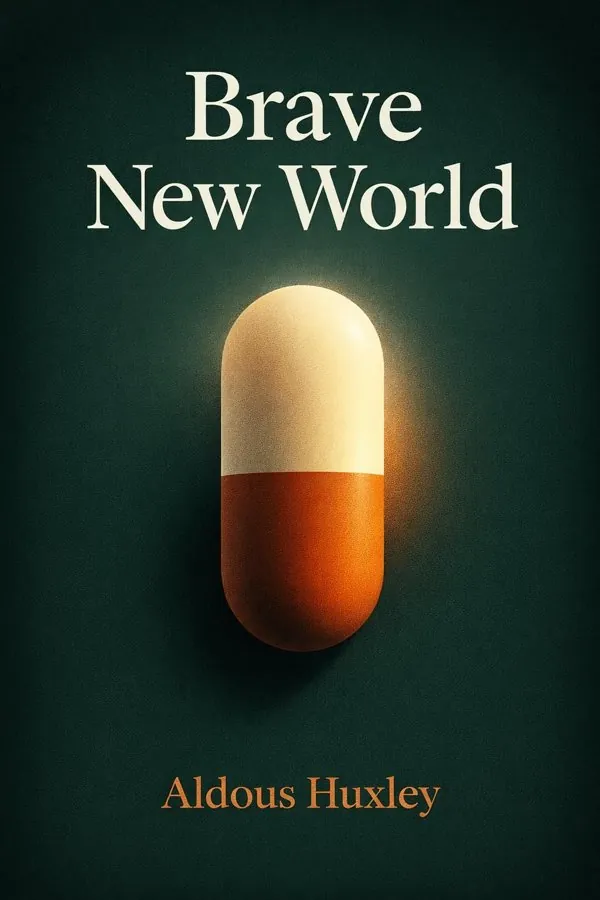
Brave New World
Brave New World is a dystopian novel by Aldous Huxley, first published in 1932. Set in a futuristic World State where citizens are engineered and conditioned for social stability, the novel explores t...
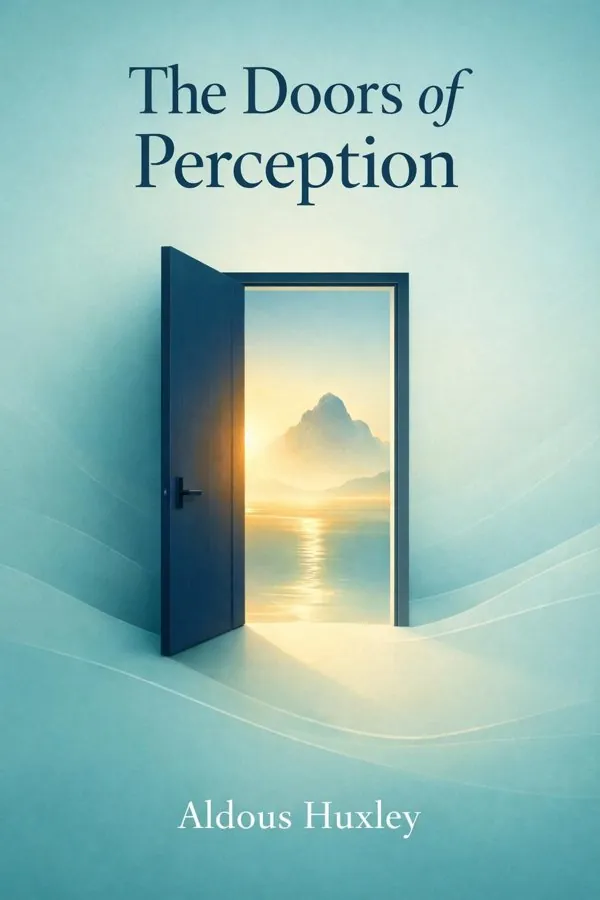
The Doors Of Perception
What happens when ordinary perception loosens its grip and the world appears newly radiant, strange, and profoundly meaningful? In The Doors Of Perception, Aldous Huxley offers a vivid account of his ...
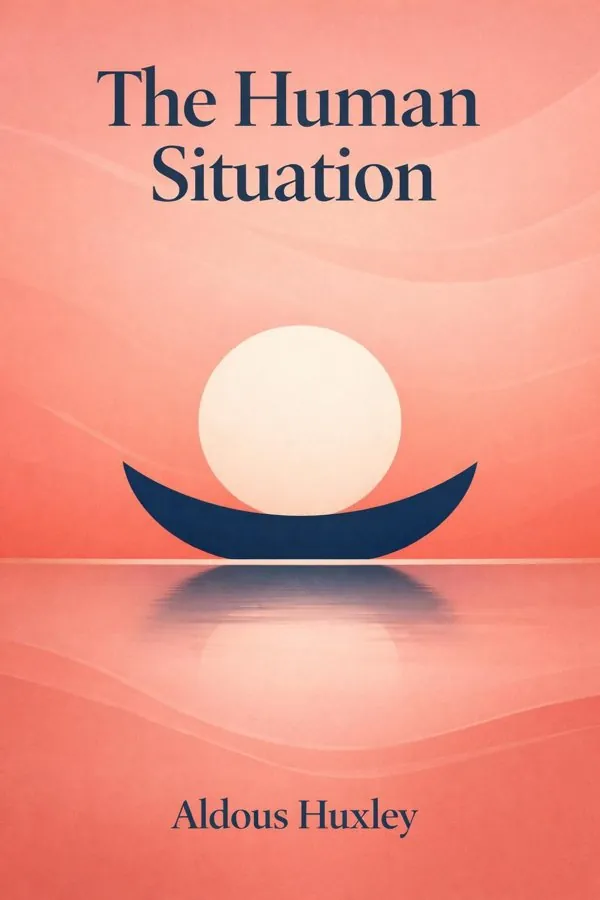
The Human Situation
What does it mean to be human in an age of accelerating science, mass persuasion, and spiritual confusion? In The Human Situation, Aldous Huxley confronts that question with unusual breadth and urgenc...
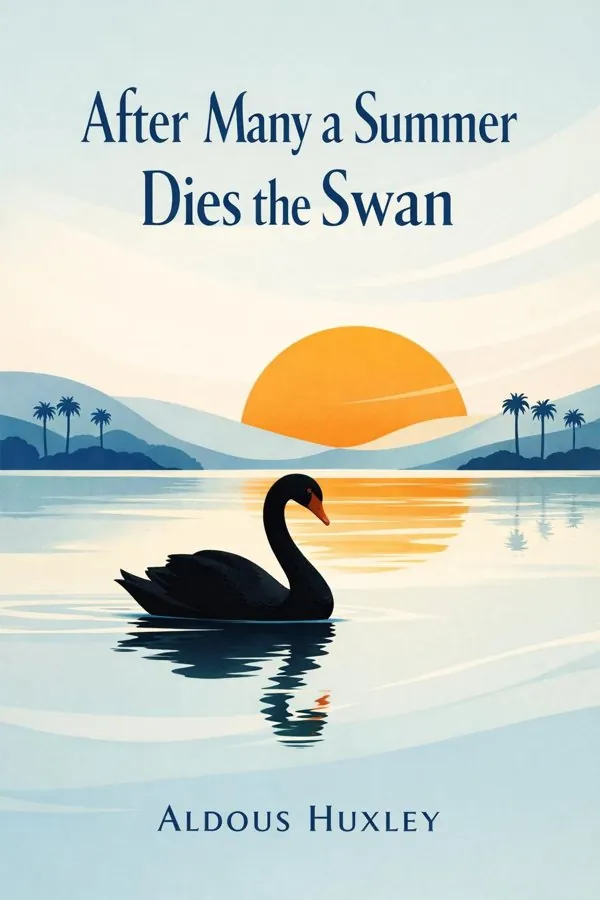
After Many a Summer Dies the Swan
A satirical novel exploring the American obsession with youth, immortality, and materialism, set in 1930s California. The story follows a British scholar who becomes entangled with a wealthy tycoon se...
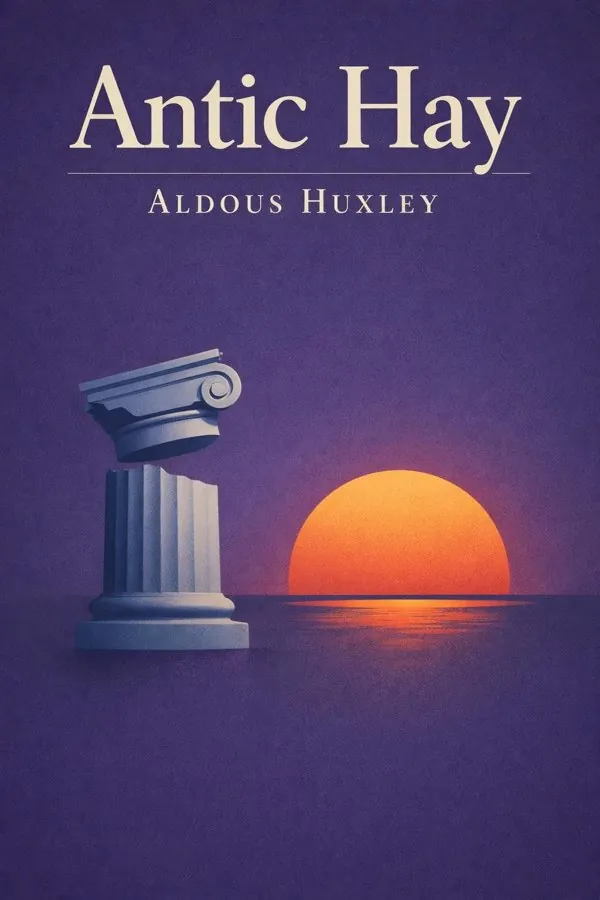
Antic Hay
Antic Hay is a satirical novel set in post–World War I London, portraying a generation disillusioned by the collapse of traditional values. Through the character of Theodore Gumbril and his circle of ...
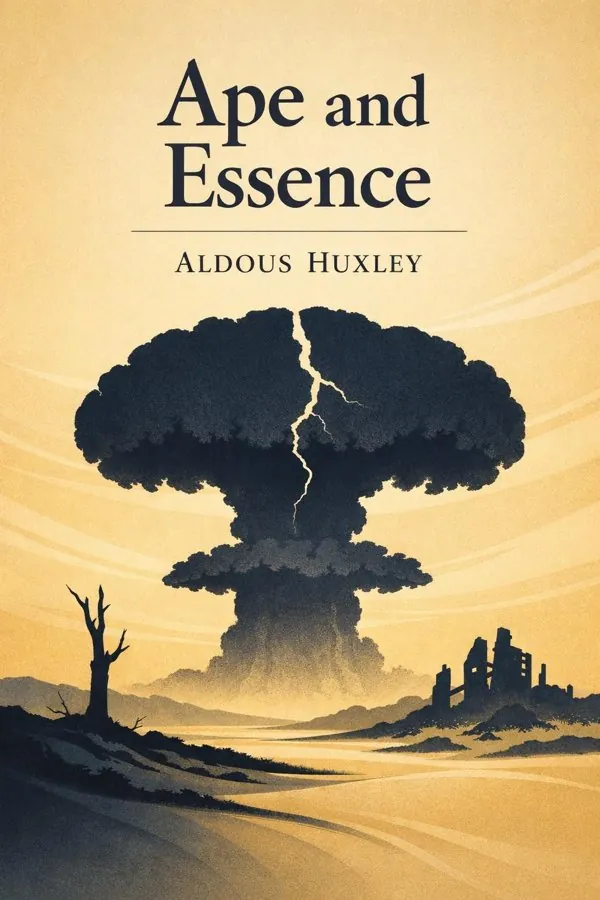
Ape and Essence
Ape and Essence is a dystopian novel set in a post-apocalyptic world ravaged by nuclear war. Told through a screenplay discovered by Hollywood producers, it explores humanity’s regression into barbari...

Crome Yellow
Crome Yellow is Aldous Huxley’s first novel, published in 1921. The story is a satirical portrayal of a group of upper-class intellectuals gathered at an English country house named Crome. Through wit...

Eyeless In Gaza
Eyeless in Gaza is a novel by Aldous Huxley, first published in 1936 by Chatto & Windus in London. The book follows Anthony Beavis, a disillusioned intellectual and socialite, as he reflects on his li...
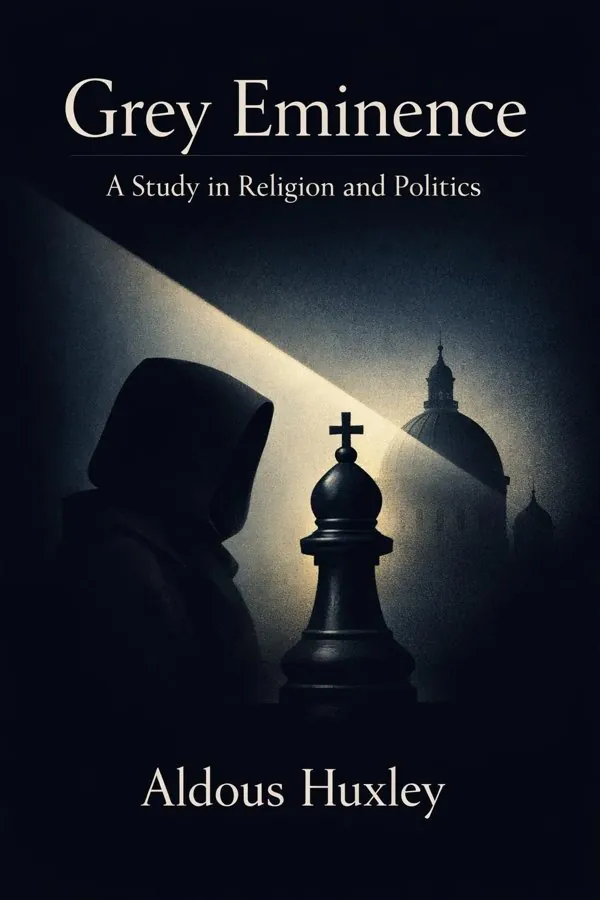
Grey Eminence: A Study in Religion and Politics
Grey Eminence is Aldous Huxley’s 1941 biographical study of François Leclerc du Tremblay, known as Father Joseph, the Capuchin monk who served as the influential advisor to Cardinal Richelieu. Huxley ...
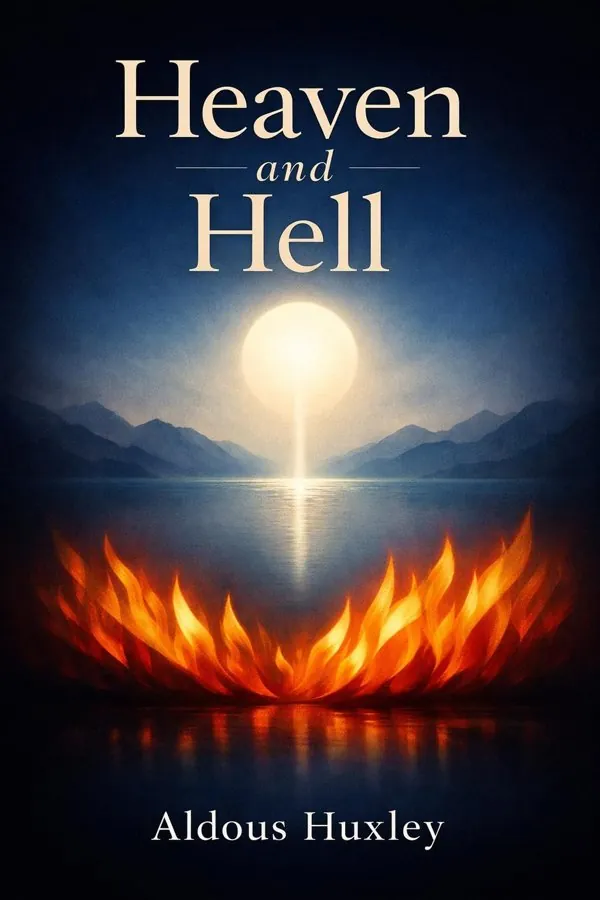
Heaven and Hell
Heaven and Hell is a philosophical essay by Aldous Huxley, first published in 1956 as a companion to his earlier work The Doors of Perception. In this book, Huxley explores the nature of visionary exp...
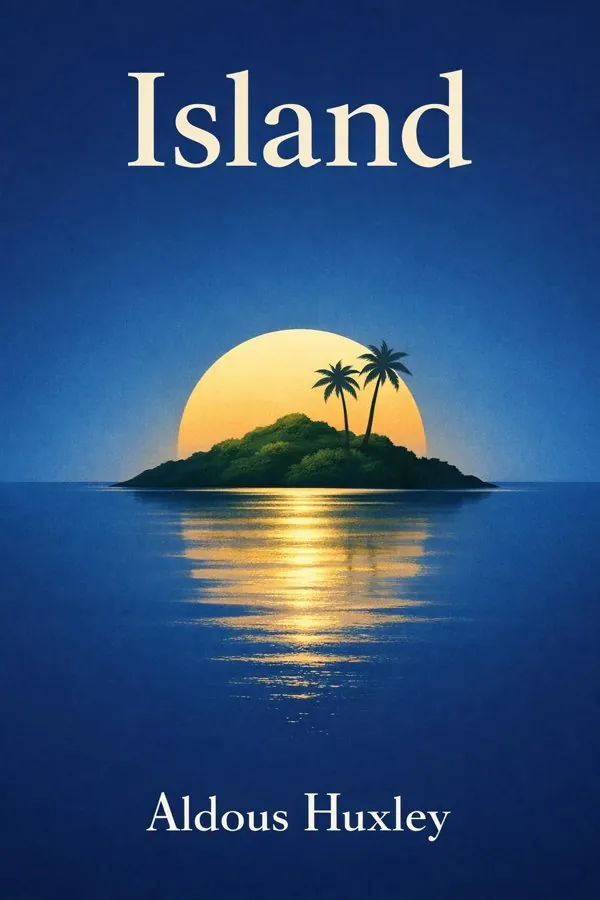
Island
Aldous Huxley’s final novel, Island (1962), presents a utopian counterpart to his earlier dystopian work Brave New World. The story follows journalist Will Farnaby, who shipwrecks on the fictional isl...
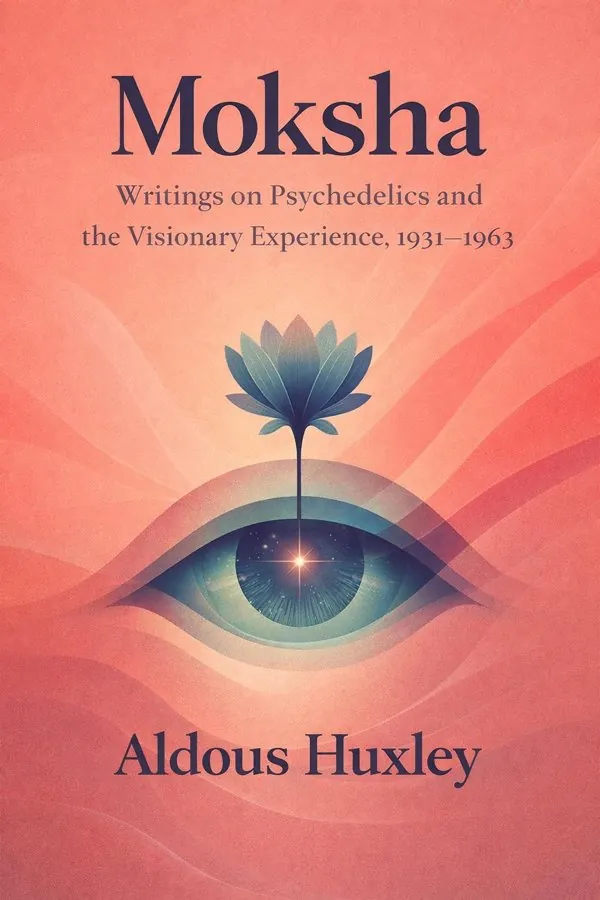
Moksha: Writings on Psychedelics and the Visionary Experience, 1931–1963
Moksha is a collection of essays, letters, and excerpts by Aldous Huxley that explore his reflections on consciousness, spirituality, and the use of psychedelic substances such as mescaline and LSD. T...
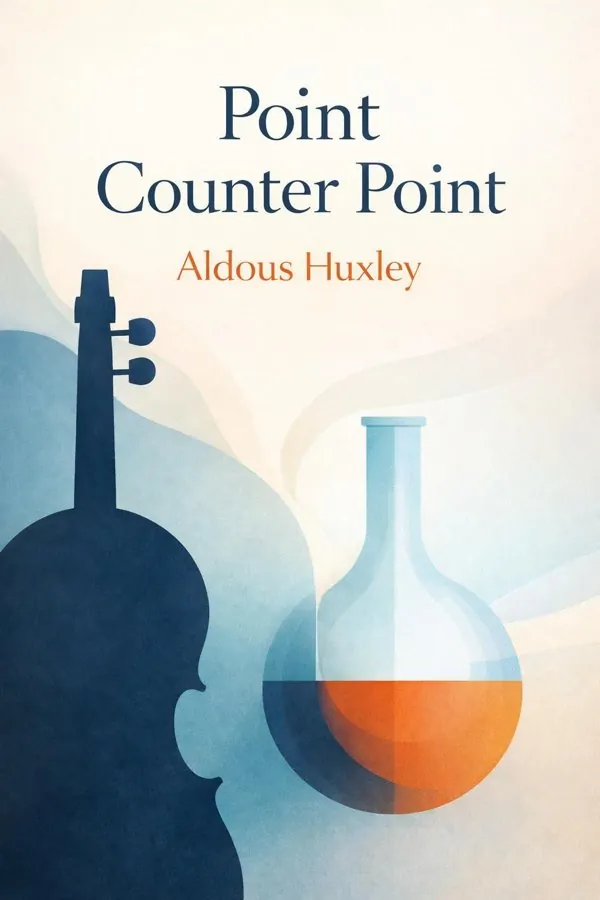
Point Counter Point
Aldous Huxley’s 1928 novel "Point Counter Point" is a complex social satire that portrays the intellectual and emotional lives of upper-class British society in the interwar period. Through a large en...
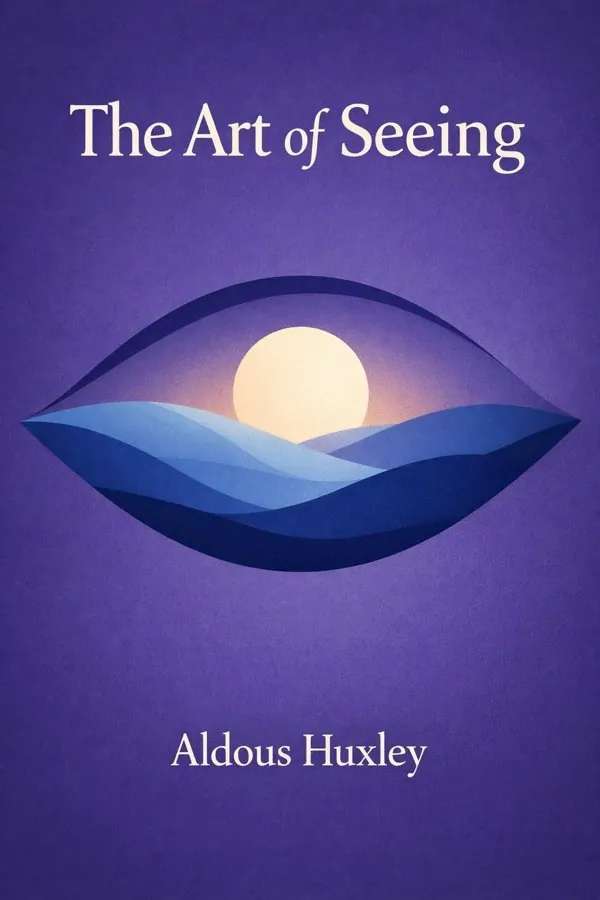
The Art of Seeing
In this work, Aldous Huxley explores the Bates Method of vision improvement, arguing that many vision problems stem from mental strain and poor visual habits rather than physical defects. Drawing from...
The Devils of Loudun
A historical narrative and philosophical exploration of the 1634 Loudun possessions in France, where a group of Ursuline nuns were allegedly possessed by demons, leading to the execution of priest Urb...
The Doors of Perception and Heaven and Hell
In these two companion essays, Aldous Huxley explores the nature of human perception and consciousness through his experiences with mescaline. He examines how mind-altering substances can open 'doors'...
The Genius and the Goddess: A Novel
Aldous Huxley's unforgettable tale of a brilliant physicist, his beautiful wife, and the young man who tears their world apart. Set in postwar England, the novel explores the complex interplay between...
The Perennial Philosophy: An Interpretation of the Great Mystics, East and West
Aldous Huxley’s 'The Perennial Philosophy' explores the universal truths shared by the world’s major religious and mystical traditions. Drawing from sources such as Christian mysticism, Hinduism, Budd...

Those Barren Leaves
Aldous Huxley’s novel "Those Barren Leaves" (1925) is a satirical exploration of intellectual pretension and the search for meaning among a group of upper-class individuals gathered at an Italian vill...
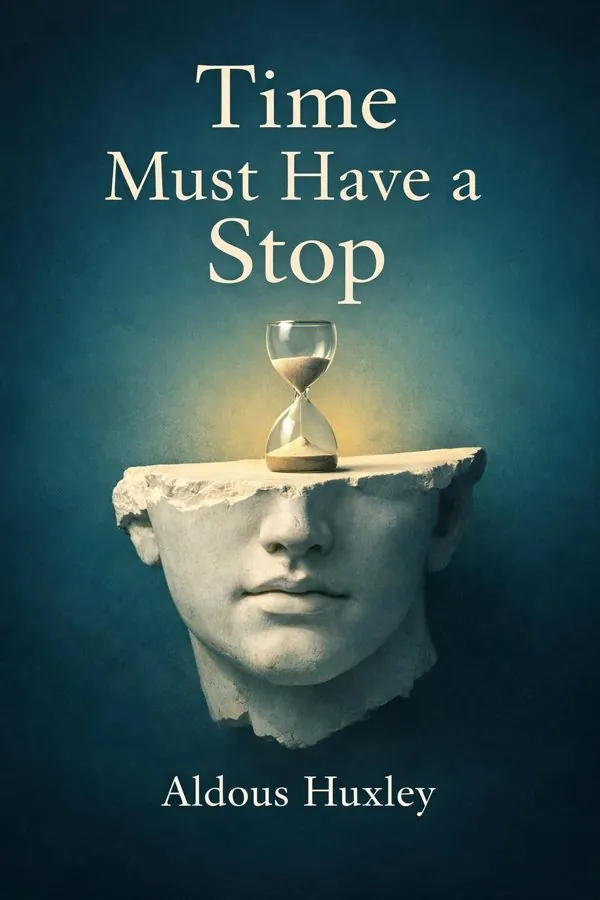
Time Must Have a Stop
A philosophical novel exploring the tension between materialism and spirituality, following the moral and emotional awakening of a young Englishman, Sebastian Barnack, as he confronts art, death, and ...
Key Insights from Aldous Huxley
The Hatchery and Conditioning Center: Manufacturing Humanity
The story begins in the Hatchery and Conditioning Center—a place that marks the starting point of life and the foundation of this new society. Here, human beings no longer emerge from a mother’s womb but are produced in bottles. Embryos are divided into fixed castes—Alpha, Beta, Gamma, Delta, and Ep...
From Brave New World
Social Hierarchies and the Mechanism of Happiness: The Price of Stability
In this world, stability reigns supreme. The social system rests upon rigid stratification: Alphas stand at the top, wielding power and intellect; Betas and Gammas fill mid-level roles; Deltas and Epsilons perform manual labor. Each group is engineered to “love its lot.” Chemical conditioning, educa...
From Brave New World
The Brain as Reducing Valve
What if your everyday mind is not a window onto reality, but a filter that blocks most of it out? One of Huxley’s most influential ideas in The Doors Of Perception is that the brain and nervous system function as a “reducing valve.” Rather than delivering the full richness of existence, consciousnes...
From The Doors Of Perception
Seeing Objects Beyond Their Utility
How often do we mistake function for essence? Huxley argues that everyday consciousness teaches us to see things mainly in relation to use. We look at a lamp as something that gives light, a coat as something to wear, a bookshelf as furniture. This utilitarian mindset is efficient, but it also flatt...
From The Doors Of Perception
The Extraordinary Within the Ordinary
The most radical revelation may be that nothing needs to change for reality to feel transformed. Huxley’s mescaline experience is striking not because he travels to an exotic realm, but because the familiar world becomes astonishing. Flowers, trousers, books, and room interiors acquire overwhelming ...
From The Doors Of Perception
Art as a Glimpse of Expanded Reality
Why do certain paintings feel more real than reality itself? Huxley sees art as one of the great human attempts to preserve and communicate unusual states of perception. During his mescaline experience, he reflects on visual art, especially works that seem to capture pure presence, luminous color, a...
From The Doors Of Perception
About Aldous Huxley
Aldous Huxley (1894–1963) was an English writer and philosopher known for his novels, essays, and works on social and philosophical issues. His best-known novel, Brave New World, established him as a major critic of modern society and technology. He also wrote The Doors of Perception and Island, exp...
Read more
Aldous Huxley (1894–1963) was an English writer and philosopher known for his novels, essays, and works on social and philosophical issues. His best-known novel, Brave New World, established him as a major critic of modern society and technology. He also wrote The Doors of Perception and Island, exp...
Aldous Huxley (1894–1963) was an English writer and philosopher known for his novels, essays, and works on social and philosophical issues. His best-known novel, Brave New World, established him as a major critic of modern society and technology. He also wrote The Doors of Perception and Island, exploring consciousness and spirituality.



Frequently Asked Questions
Aldous Huxley (1894–1963) was an English writer and philosopher known for his novels, essays, and works on social and philosophical issues. His best-known novel, Brave New World, established him as a major critic of modern society and technology.
Read Aldous Huxley's books in 15 minutes
Get AI-powered summaries with key insights from 20 books by Aldous Huxley.