

Fyodor Dostoevsky Books
Fyodor Dostoevsky (1821–1881) was a Russian novelist, philosopher, and journalist, regarded as one of the greatest literary figures in world history. His works explore human psychology, moral conflict, and social issues in 19th-century Russia.
Known for: Crime and Punishment, The Brothers Karamazov, The Eternal Husband, The Idiot, Notes from Underground, Poor Folk, The Gambler, The Village of Stepanchikovo and Its Inhabitants
Books by Fyodor Dostoevsky
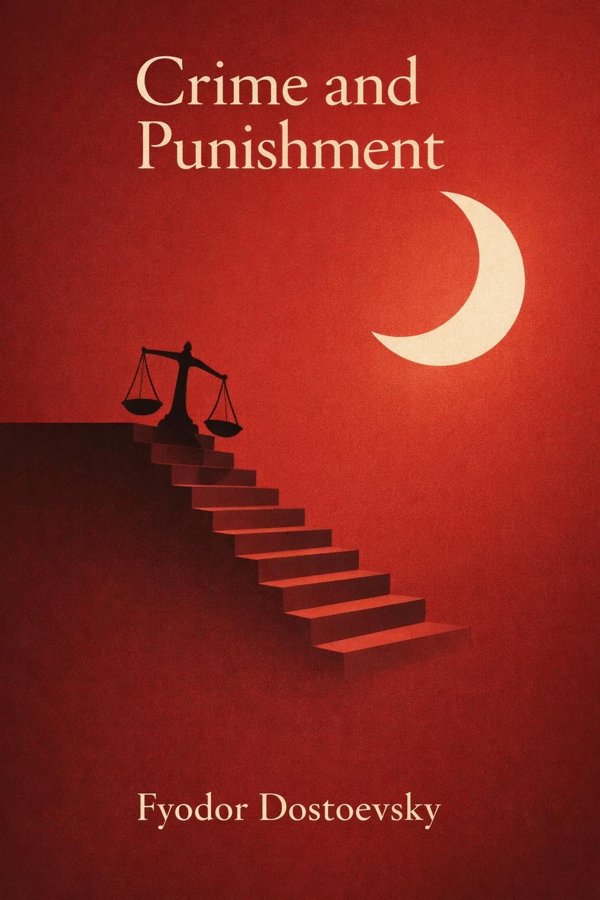
Crime and Punishment
Crime and Punishment is one of the most penetrating novels ever written about guilt, morality, and the hidden motives that drive human behavior. Set in the oppressive heat and poverty of St. Petersbur...
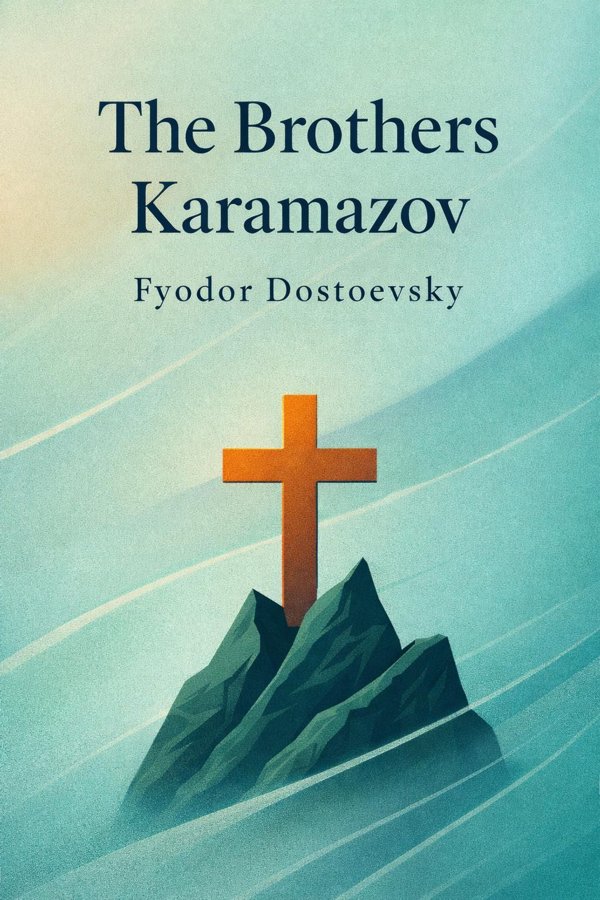
The Brothers Karamazov
Few novels ask larger questions than The Brothers Karamazov. On its surface, Fyodor Dostoevsky’s final masterpiece is a family drama: a violent, greedy father is hated by his sons, rivalries intensify...
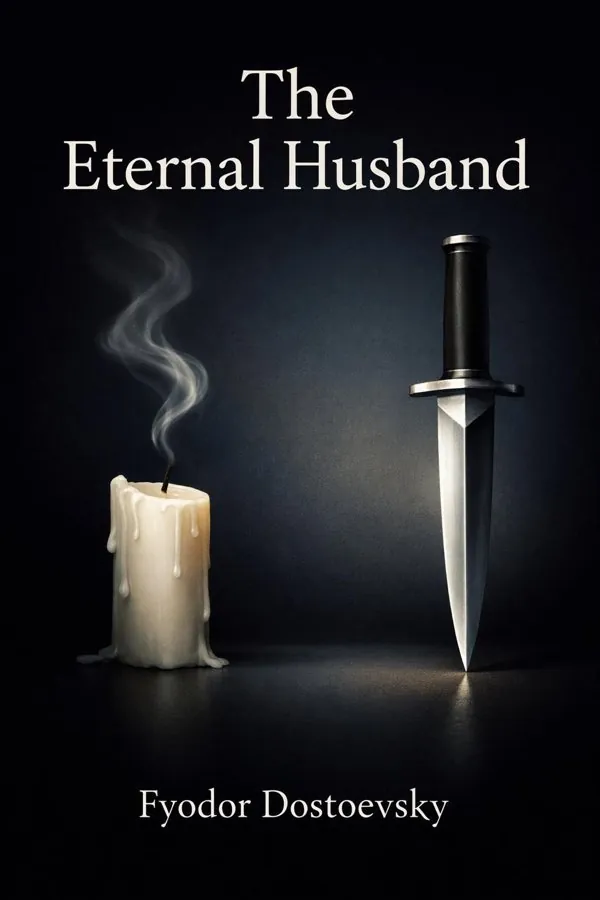
The Eternal Husband
What happens when love survives only as humiliation, jealousy, and the need to possess? Fyodor Dostoevsky’s The Eternal Husband, first published in 1870, is a sharp, psychologically charged novella ab...
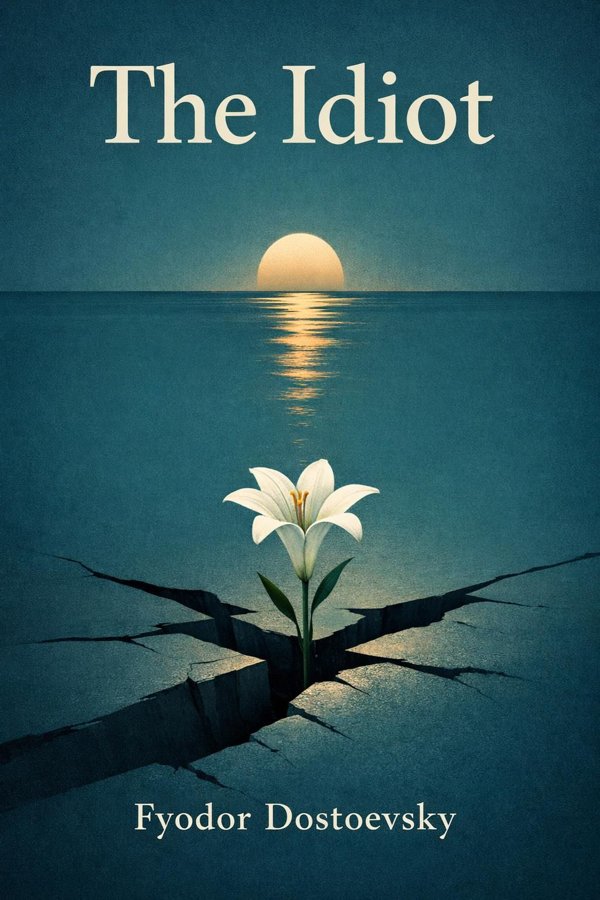
The Idiot
What happens when a genuinely good person enters a world organized around vanity, money, wounded pride, and desire? Fyodor Dostoevsky’s The Idiot answers that question through Prince Lev Myshkin, a ge...
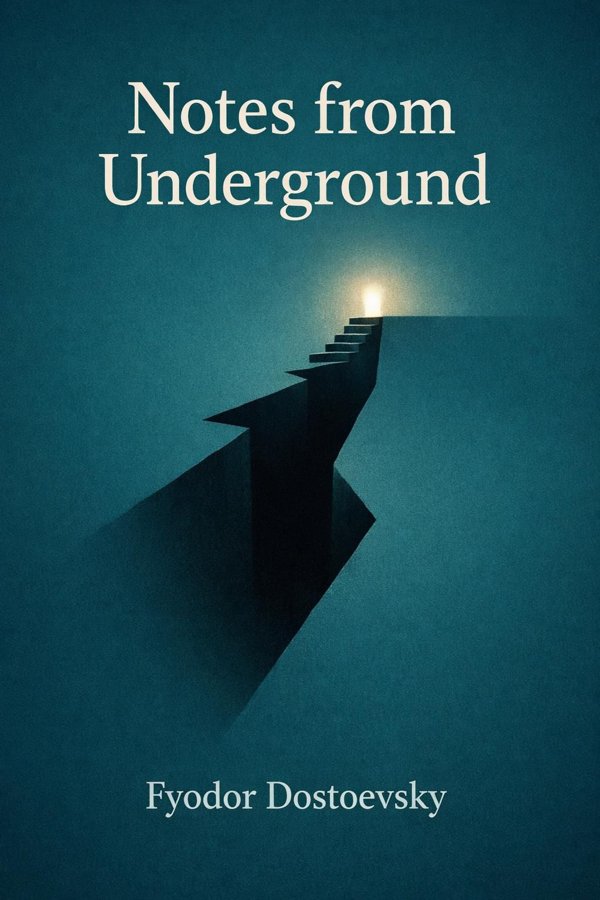
Notes from Underground
Notes from Underground is a philosophical and psychological novella by Fyodor Dostoevsky, first published in 1864. The work presents the confessions of a man living apart from society, reflecting on f...

Poor Folk
Poor Folk is Fyodor Dostoevsky’s first novel, originally published in 1846. Written in the form of letters exchanged between a poor government clerk, Makar Devushkin, and a young woman, Varvara Dobros...
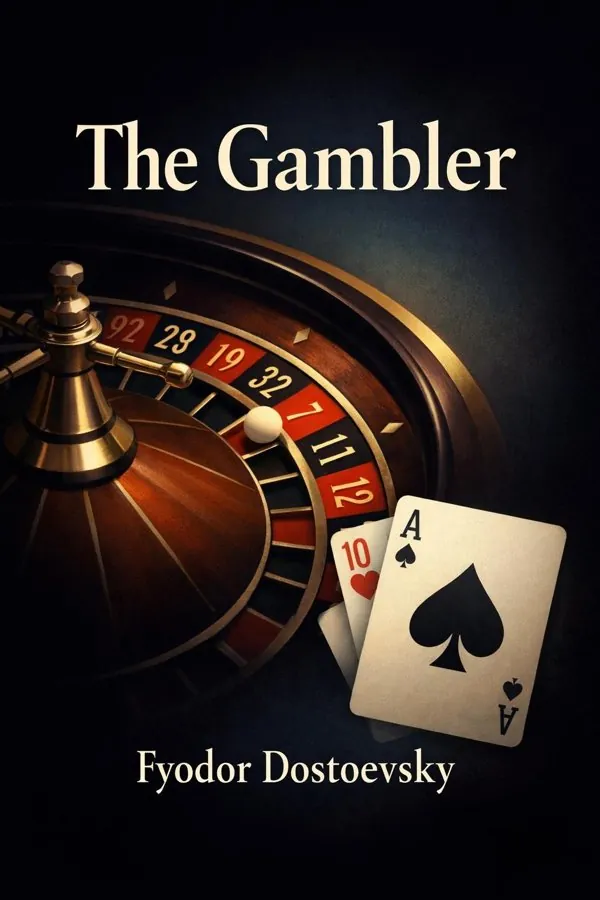
The Gambler
The Gambler is a novel by Fyodor Dostoevsky, first published in 1866. It tells the story of Alexei Ivanovich, a young tutor working for a Russian general in the fictional German spa town of Roulettenb...
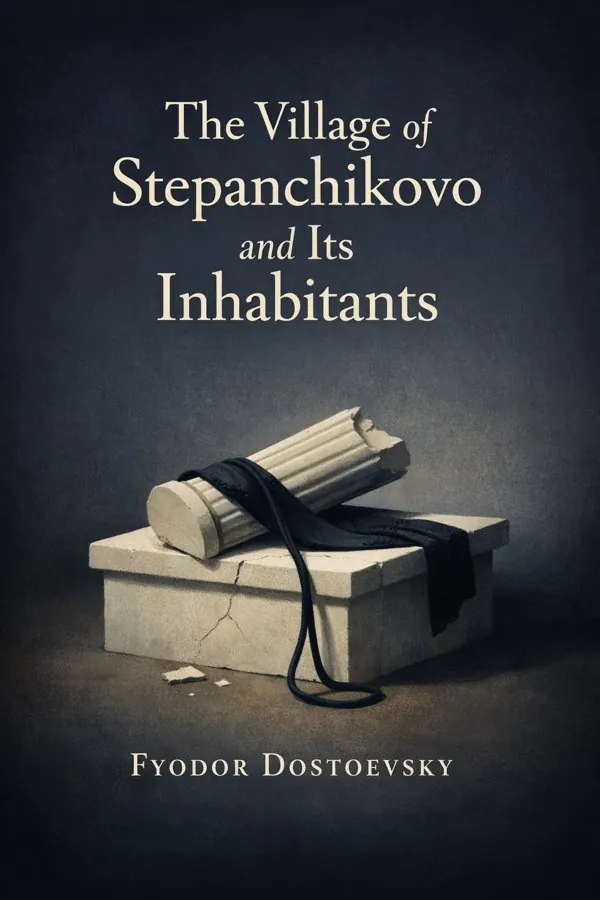
The Village of Stepanchikovo and Its Inhabitants
First published in 1859, this satirical novel by Fyodor Dostoevsky portrays life among the provincial Russian gentry. Through the absurd and tyrannical figure of Foma Opiskin, Dostoevsky exposes hypoc...
Key Insights from Fyodor Dostoevsky
Ideas Can Become Dangerous Actions
A destructive act often begins long before the act itself, in the quiet acceptance of a dangerous idea. In Crime and Punishment, Raskolnikov does not commit murder in a sudden burst of passion alone; he prepares for it intellectually. He develops a theory that humanity is divided into ordinary peopl...
From Crime and Punishment
Guilt Punishes Before Any Court
The most relentless punishment is often internal rather than legal. After the murder, Raskolnikov does not become triumphant, liberated, or powerful. Instead, he descends into confusion, fever, paranoia, and isolation. His real sentence begins immediately, not in a prison camp but in his own mind. D...
From Crime and Punishment
Pride Is a Form of Isolation
Pride does not always look like confidence; sometimes it looks like withdrawal, contempt, and a refusal to need anyone. Raskolnikov isolates himself from friends, family, and society not simply because he is poor or distressed, but because his pride depends on separation. He wants to stand above oth...
From Crime and Punishment
Suffering Can Destroy or Transform
Pain does not automatically make people wiser, but it can become the ground of transformation when it is faced honestly. Crime and Punishment is full of suffering: poverty, humiliation, exploitation, illness, and moral anguish. Dostoevsky does not romanticize this pain. He shows its ugliness and its...
From Crime and Punishment
Compassion Restores Human Reality
When people are reduced to symbols, categories, or obstacles, cruelty becomes easier; compassion restores their full reality. Throughout Crime and Punishment, St. Petersburg is crowded with the desperate poor, the humiliated, and the morally compromised. Yet Dostoevsky refuses to treat them as scene...
From Crime and Punishment
Confession Begins the Path to Freedom
Secrets promise control, but they usually deepen bondage. For much of the novel, Raskolnikov tries to preserve himself through concealment. He avoids direct admission, speaks in fragments, and clings to the belief that if he can outthink suspicion, he can survive intact. Yet concealment only intensi...
From Crime and Punishment
About Fyodor Dostoevsky
Fyodor Dostoevsky (1821–1881) was a Russian novelist, philosopher, and journalist, regarded as one of the greatest literary figures in world history. His works explore human psychology, moral conflict, and social issues in 19th-century Russia.





Frequently Asked Questions
Fyodor Dostoevsky (1821–1881) was a Russian novelist, philosopher, and journalist, regarded as one of the greatest literary figures in world history. His works explore human psychology, moral conflict, and social issues in 19th-century Russia.
Read Fyodor Dostoevsky's books in 15 minutes
Get AI-powered summaries with key insights from 8 books by Fyodor Dostoevsky.