

Eric Hobsbawm Books
Eric Hobsbawm (1917–2012) was a British historian known for his influential works on the history of capitalism, socialism, and revolution. He was a professor at Birkbeck College, University of London, and a member of the British Academy.
Known for: The Age of Capital, The Age of Extremes: 1914–1991: The Short Twentieth Century, The Age Of Empire: 1875–1914, The Age Of Extremes: The Short Twentieth Century, 1914–1991, The Age of Revolution: 1789–1848, The Invention of Tradition
Books by Eric Hobsbawm
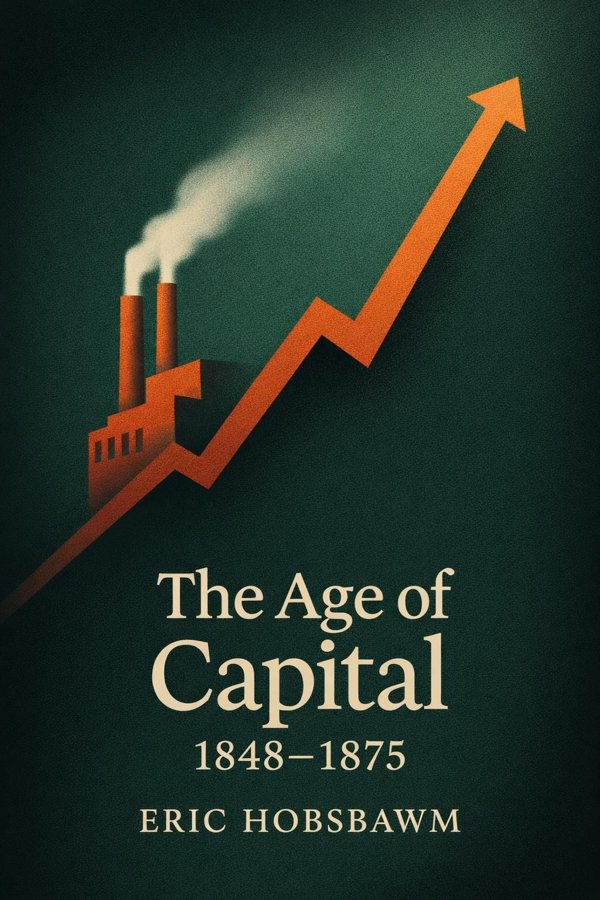
The Age of Capital
The Age of Capital: 1848–1875 is a historical analysis by Eric Hobsbawm that explores the development of global capitalism during the mid-nineteenth century. It examines the social, political, and eco...
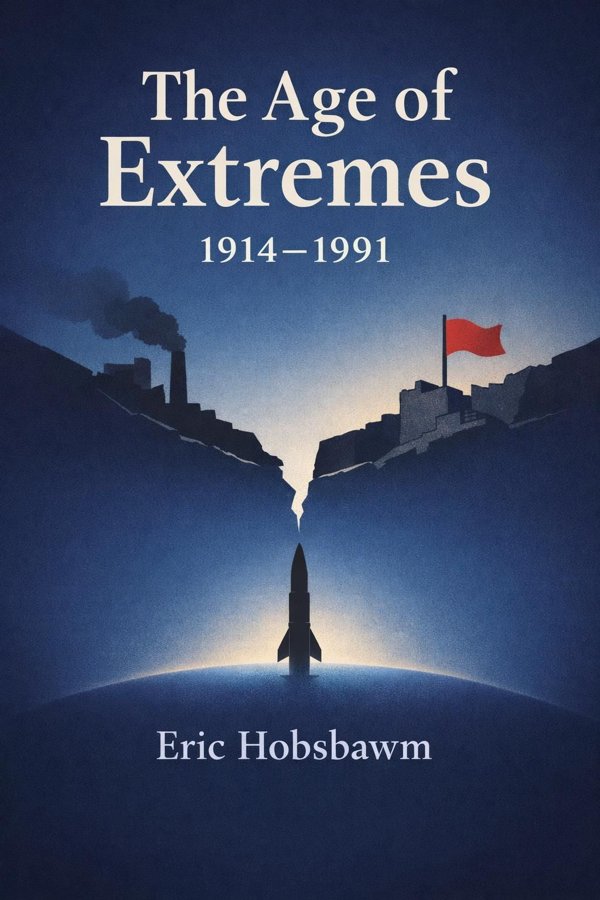
The Age of Extremes: 1914–1991: The Short Twentieth Century
Eric Hobsbawm’s The Age of Extremes: 1914–1991: The Short Twentieth Century is one of the most ambitious histories ever written about the modern world. Instead of treating the twentieth century as a s...
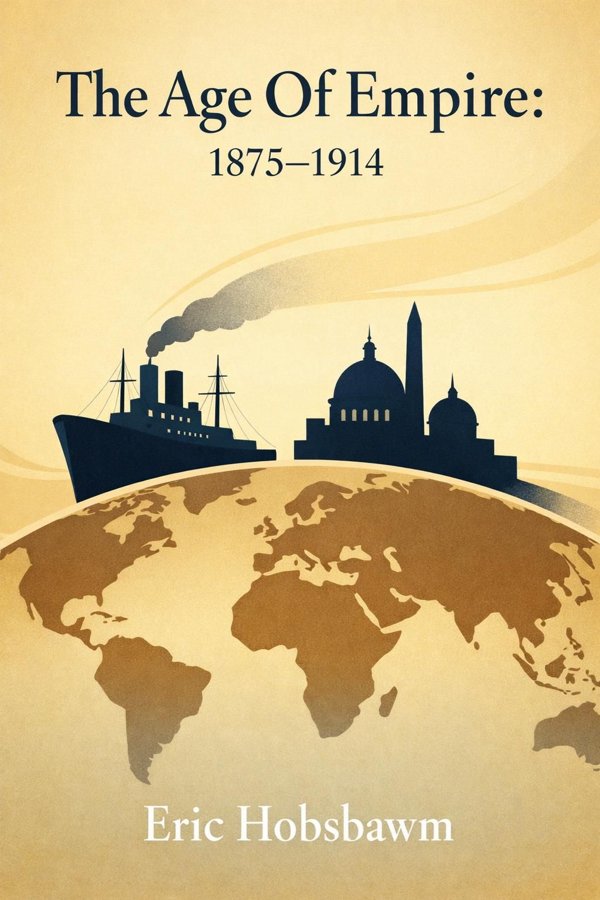
The Age Of Empire: 1875–1914
The Age of Empire: 1875–1914 is the third volume in Eric Hobsbawm’s acclaimed series on the modern world. It explores the period between the late nineteenth century and the outbreak of the First World...
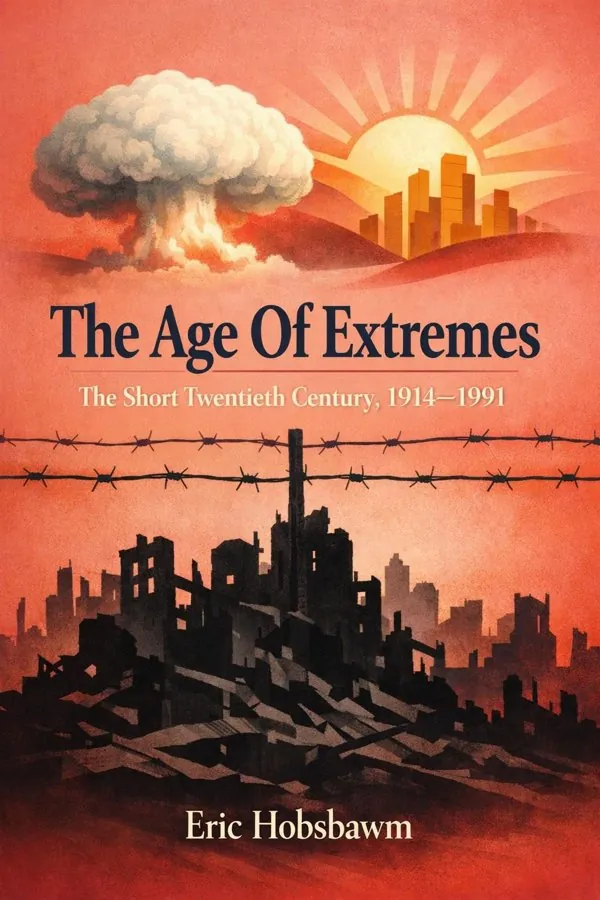
The Age Of Extremes: The Short Twentieth Century, 1914–1991
The Age of Extremes: The Short Twentieth Century, 1914–1991 is a historical analysis of the twentieth century by British historian Eric Hobsbawm. The book divides the century into three distinct perio...
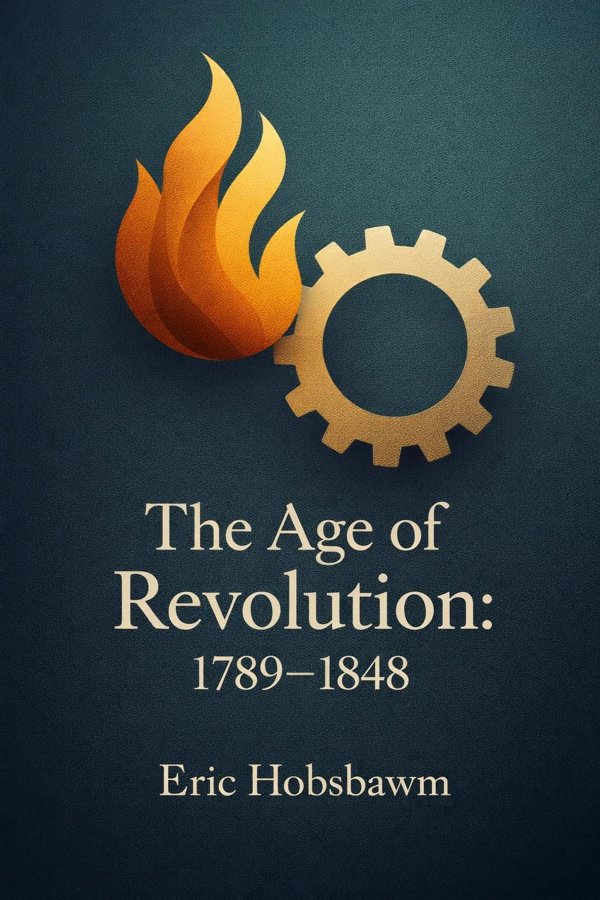
The Age of Revolution: 1789–1848
The first volume in Eric Hobsbawm’s acclaimed trilogy, this book explores the transformative period between the French Revolution and the revolutions of 1848. It examines how political upheaval, indus...
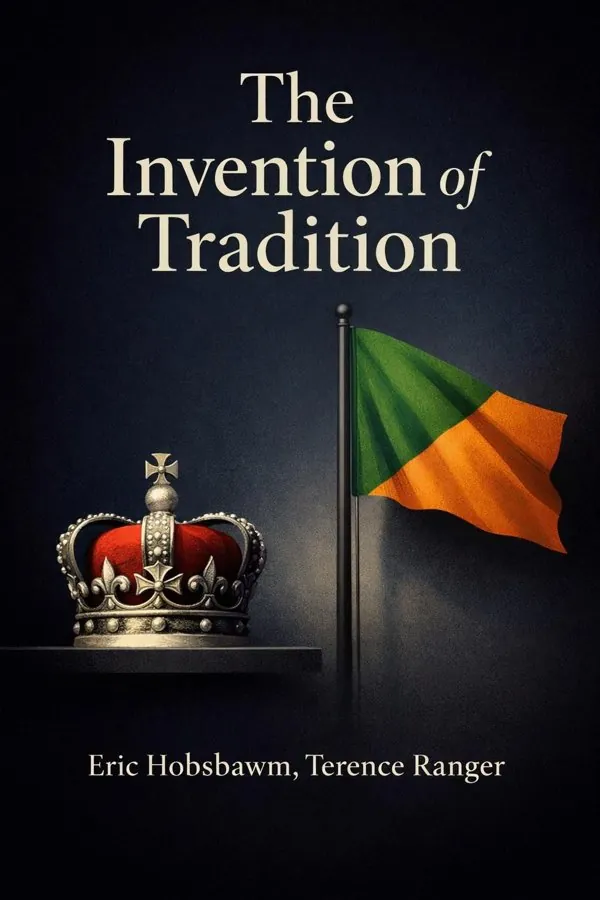
The Invention of Tradition
This influential collection of essays explores how many traditions that appear or claim to be old are often quite recent in origin and sometimes invented. The contributors analyze how such traditions ...
Key Insights from Eric Hobsbawm
The Stabilization of Political Order and the Decline of Revolutionary Movements
The early 1850s marked the exhaustion of revolutionary energy. The radical hopes of 1848—national unification, democratic freedom, and the rights of labor—had been crushed by the restoration of conservative and bourgeois regimes. Yet this political setback created the conditions for economic transfo...
From The Age of Capital
The Expansion of Industrial Capitalism and the Acceleration of Technological Innovation
At the heart of this new epoch lay an extraordinary economic engine. Between 1850 and 1875, industrial capitalism experienced what can only be called its heroic age. Britain, already the workshop of the world, saw its model replicated and challenged by the burgeoning powers of France, Belgium, and t...
From The Age of Capital
Why the century was truly short
History does not always obey the calendar. One of Hobsbawm’s most striking ideas is that the twentieth century should not be understood as beginning in 1900 and ending in 1999. Instead, he defines a “short twentieth century” stretching from 1914 to 1991. His point is not rhetorical; it is analytical...
From The Age of Extremes: 1914–1991: The Short Twentieth Century
Catastrophe reshaped modern civilization
Modern progress was built alongside modern destruction. Hobsbawm calls the years from 1914 to 1945 the “Age of Catastrophe,” and the phrase captures his central argument: the first half of the short twentieth century was marked by war, depression, revolution, and political breakdown on a scale previ...
From The Age of Extremes: 1914–1991: The Short Twentieth Century
Ideologies became engines of mass politics
People do not fight only for territory or profit; they fight for visions of how the world should be organized. Hobsbawm shows that the short twentieth century was defined by ideological conflict on a massive scale. Liberal capitalism, fascism, and communism were not abstract doctrines discussed only...
From The Age of Extremes: 1914–1991: The Short Twentieth Century
The postwar boom changed expectations forever
Prosperity can be as revolutionary as war. After the devastation of the first half of the century, Hobsbawm identifies the decades after 1945—especially roughly 1947 to 1973—as a “Golden Age” of exceptional economic growth in much of the industrial world. Productivity rose, wages improved, consumpti...
From The Age of Extremes: 1914–1991: The Short Twentieth Century
About Eric Hobsbawm
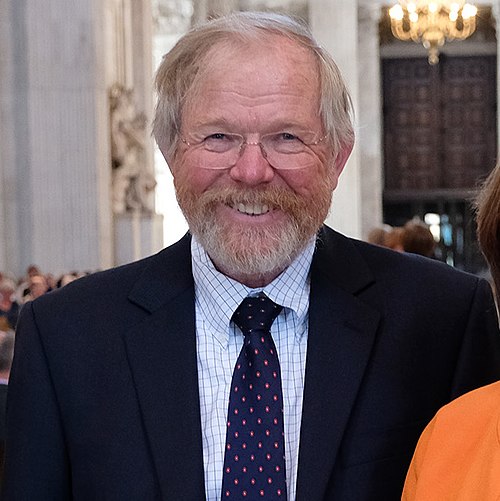
Eric Hobsbawm (1917–2012) was a British historian known for his influential works on the history of capitalism, socialism, and revolution. He was a professor at Birkbeck College, University of London, and a member of the British Academy. His 'Age' series is regarded as a cornerstone of modern histor...
Read more
Eric Hobsbawm (1917–2012) was a British historian known for his influential works on the history of capitalism, socialism, and revolution. He was a professor at Birkbeck College, University of London, and a member of the British Academy. His 'Age' series is regarded as a cornerstone of modern histor...
Eric Hobsbawm (1917–2012) was a British historian known for his influential works on the history of capitalism, socialism, and revolution. He was a professor at Birkbeck College, University of London, and a member of the British Academy. His 'Age' series is regarded as a cornerstone of modern historical scholarship.


Frequently Asked Questions
Eric Hobsbawm (1917–2012) was a British historian known for his influential works on the history of capitalism, socialism, and revolution. He was a professor at Birkbeck College, University of London, and a member of the British Academy.
Read Eric Hobsbawm's books in 15 minutes
Get AI-powered summaries with key insights from 6 books by Eric Hobsbawm.